Sympistis piffardi
Walker, 1862
Three-striped Oncocnemis
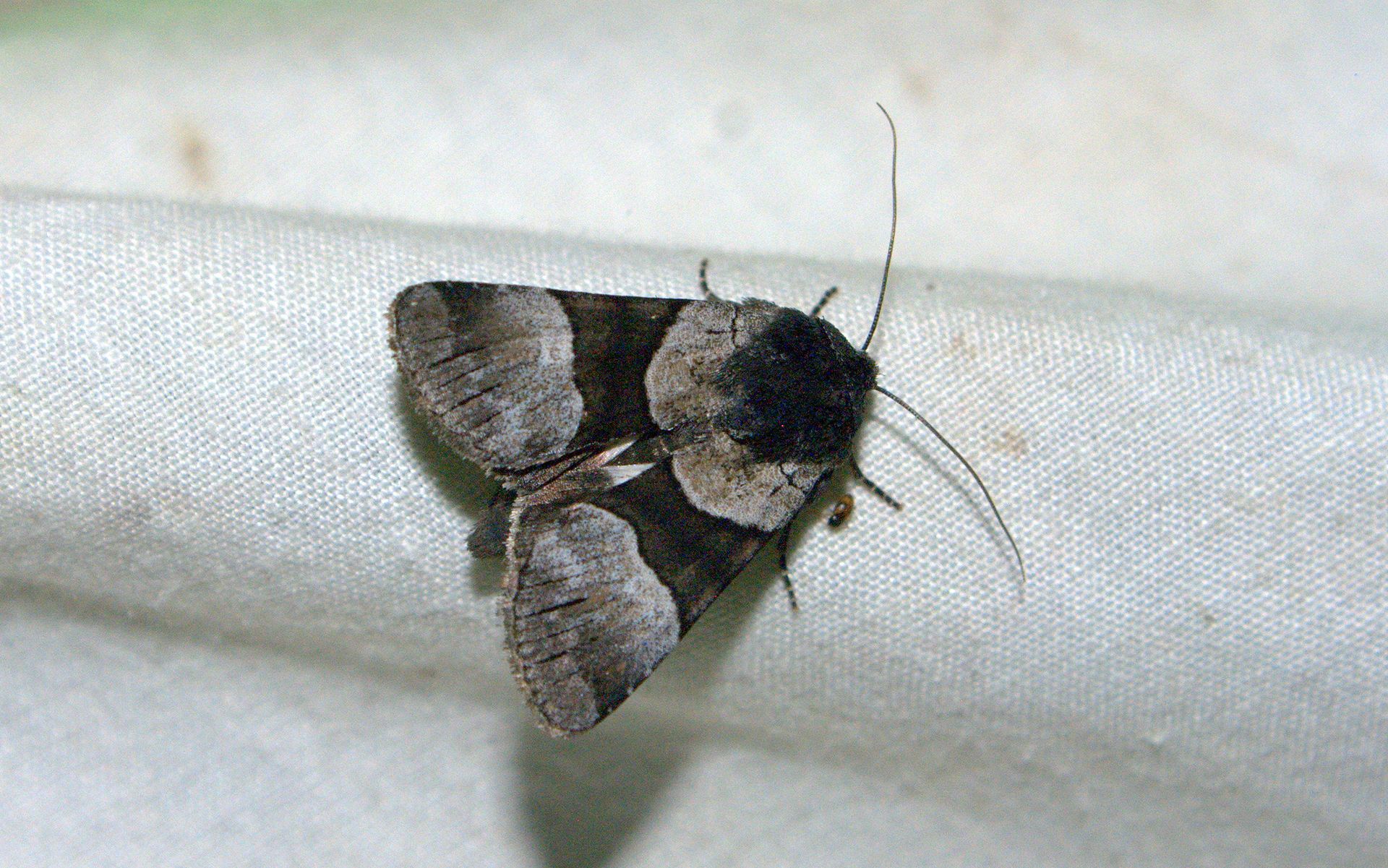
Sympistis piffardi is a noctuid found in central and northern North America. The "three-striped oncocnemis" refers to distinctive longitudinal markings on the forewings. It was originally described by Francis Walker in 1862. Records indicate presence in Canadian prairie provinces and the northeastern United States.
Pronunciation
How to pronounce Sympistis piffardi: //sɪmˈpɪstɪs pɪˈfɑːrdi//
These audio files are automatically generated. While they are not always 100% accurate, they are a good starting point.
Identification
The "three-striped oncocnemis" suggests three longitudinal stripes on the forewings as a distinguishing feature. Specific diagnostic characters separating it from in the large Sympistis are not documented in available sources.
Images
Distribution
Recorded from Canadian provinces of Alberta, Manitoba, and Saskatchewan, and from Vermont in the United States. The is present in North America, with current records indicating a range spanning central Canada and the northeastern United States.
Similar Taxa
- SympistisOther in this large share general ; S. piffardi is distinguished by the three-stripe pattern referenced in its , though specific comparative details are not documented.