Sympistis glennyi
Grote, 1873
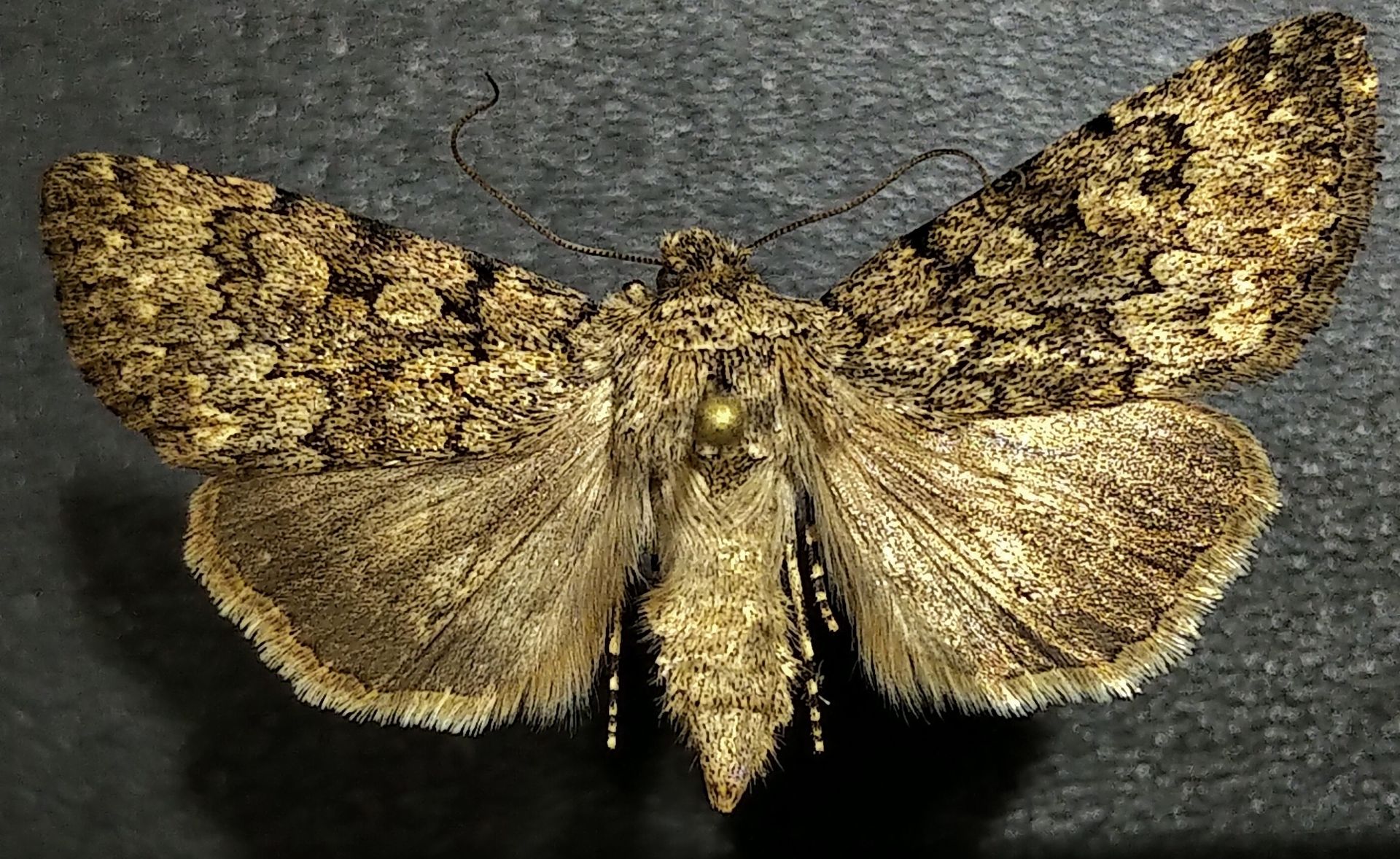
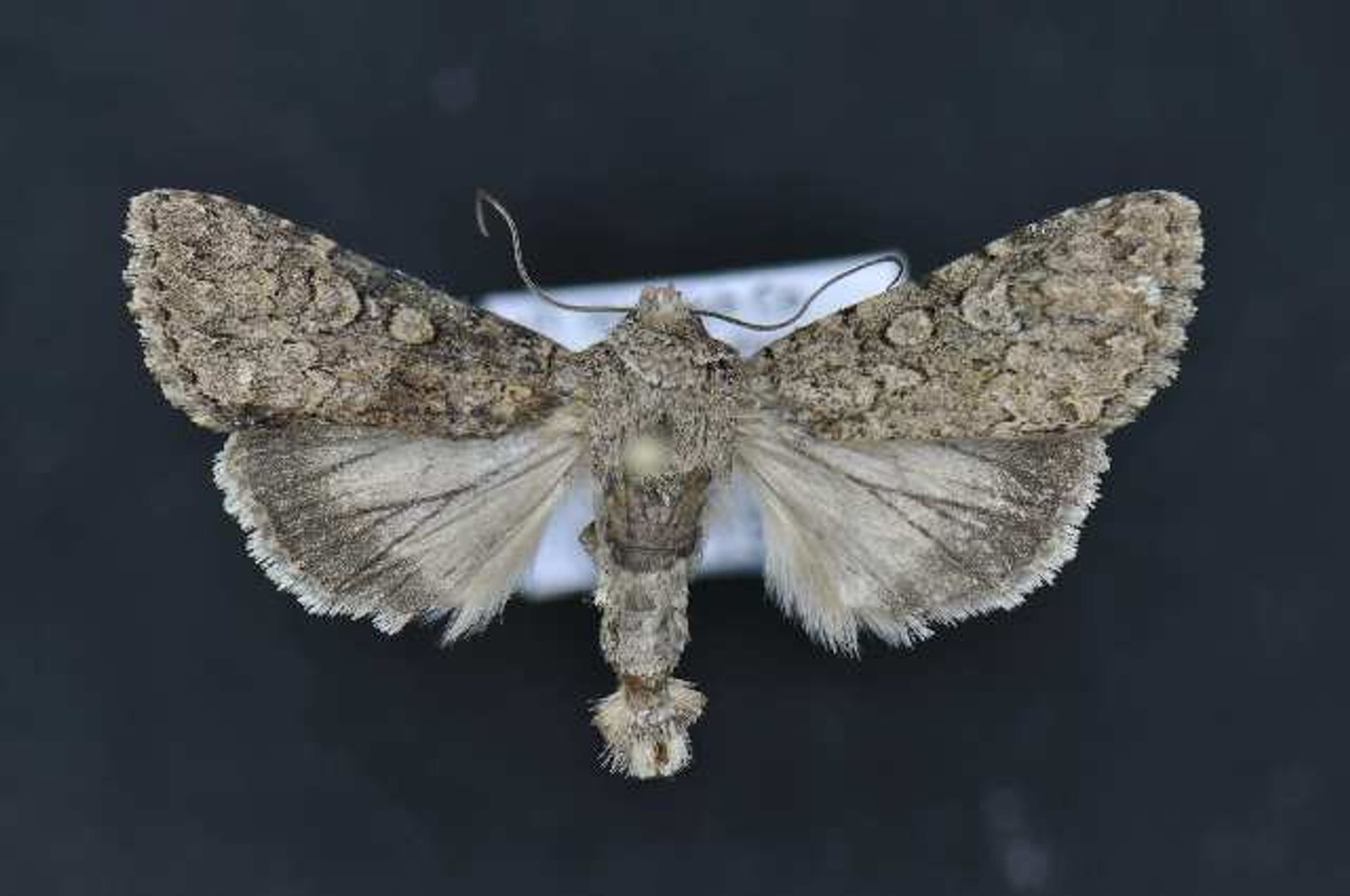
Sympistis glennyi is a noctuid described by Augustus Radcliffe Grote in 1873. It is a small moth with a wingspan of approximately 35 mm, distributed across mountainous regions of western North America. The was formerly placed in the Oncocnemis before reclassification to Sympistis.
Pronunciation
How to pronounce Sympistis glennyi: /sɪmˈpɪstɪs ˈɡlɛnaɪ/
These audio files are automatically generated. While they are not always 100% accurate, they are a good starting point.
Identification
Small size (35 mm wingspan) distinguishes it from larger Sympistis . Formerly classified as Oncocnemis glennyi; specimens may be encountered under this name in older collections. Specific diagnostic features for distinguishing from in western North America are not documented in available sources.
Images
Habitat
Mountainous regions of western North America. Specific elevational range and vegetation associations not documented.
Distribution
Western North America: mountains of southern Alberta west to British Columbia, south to Colorado and California. Distribution records confirm presence in North America.
Human Relevance
No documented economic or cultural significance. Occasionally encountered in entomological collections.
Similar Taxa
- Sympistis species in western North America share similar size range and ; specific distinguishing characters require expert examination of genitalia and wing pattern details not available in general sources.
More Details
Taxonomic history
Originally described in the Oncocnemis; transferred to Sympistis following generic revision. Specimens in older literature and some museum databases may still be listed under Oncocnemis glennyi.
Data limitations
This has only 10 observations in iNaturalist, indicating it is infrequently encountered or underreported. Detailed biological information is sparse in publicly available sources.