Pleromelloida conserta
Grote, 1881
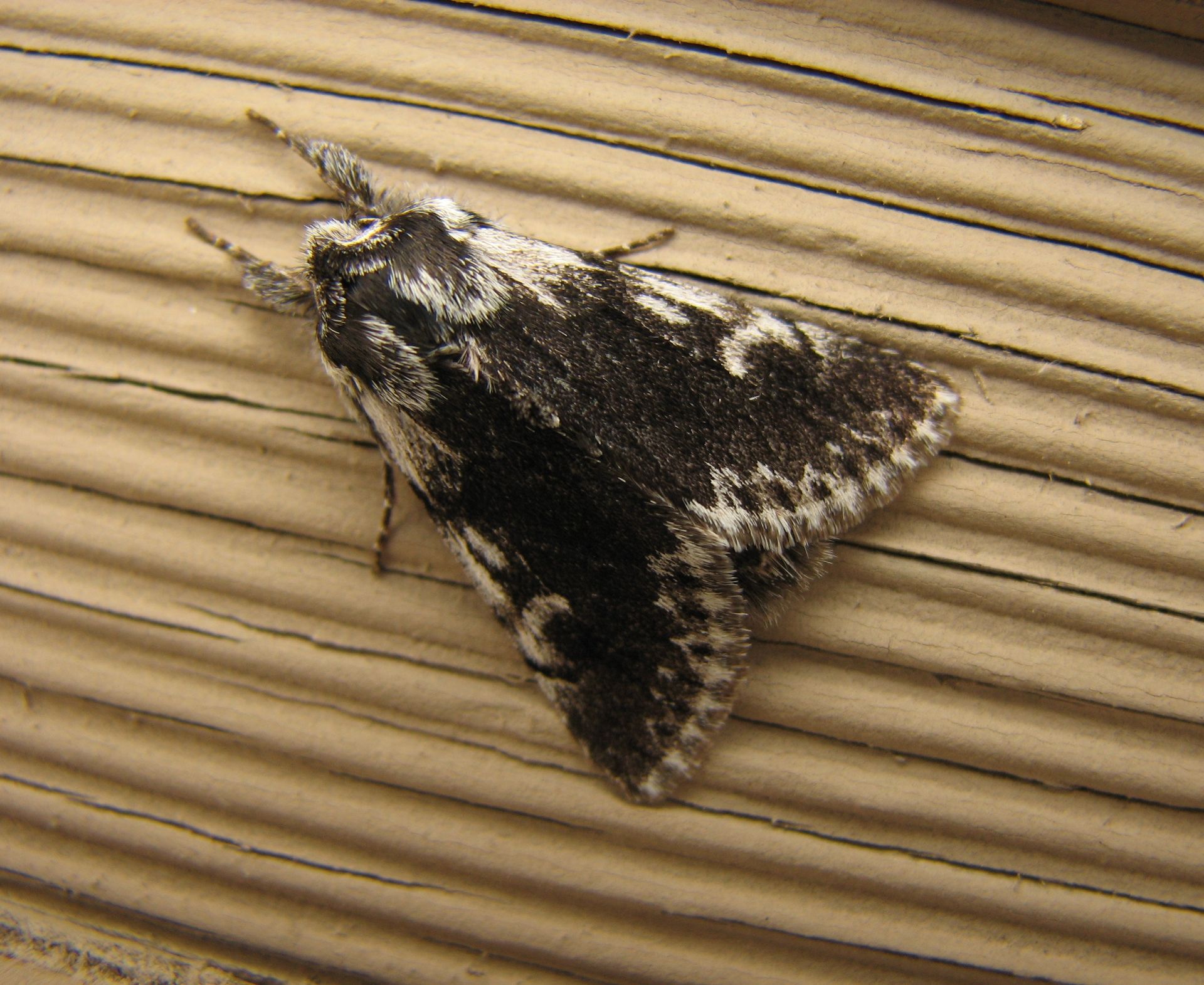
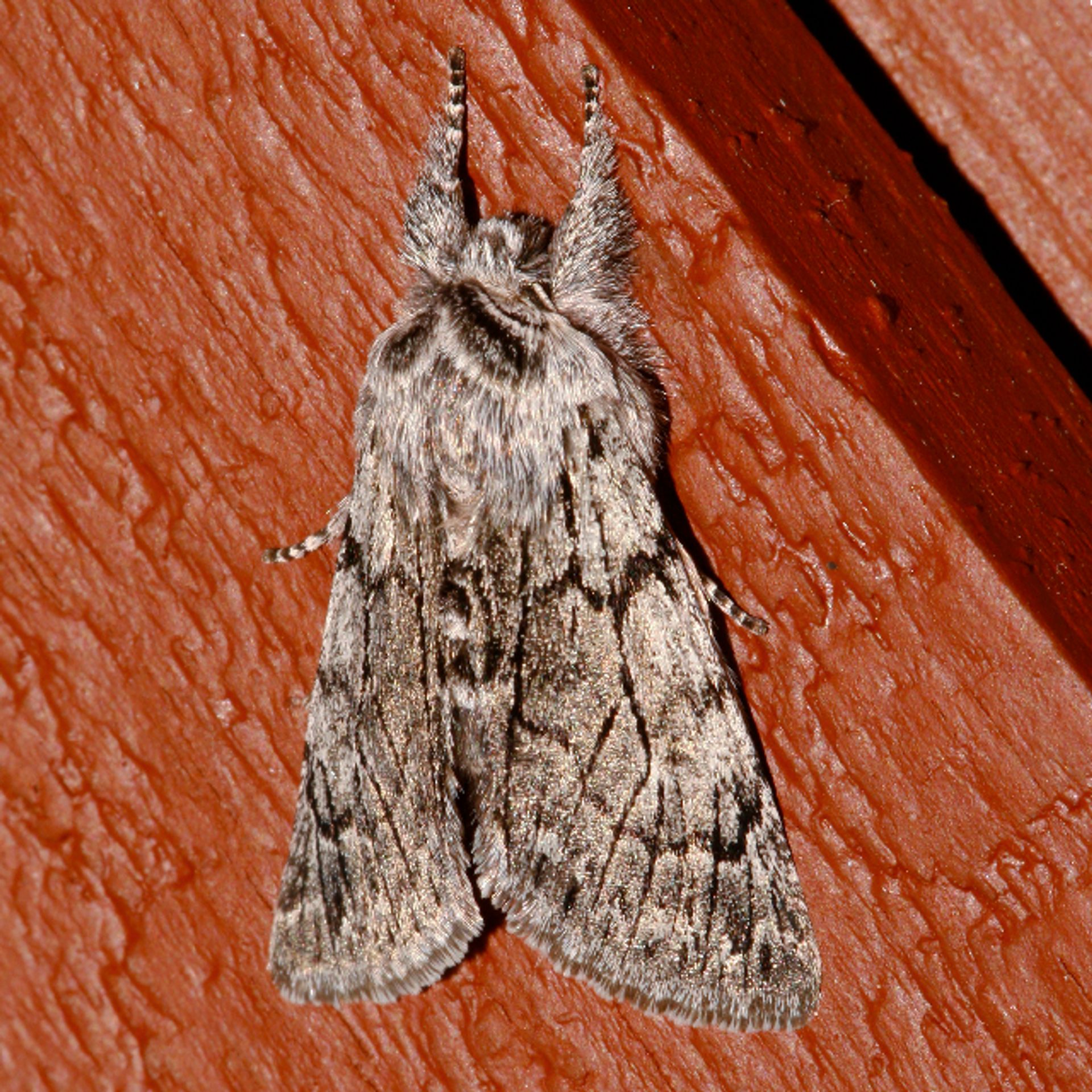
A noctuid found in western North America, previously considered two separate based on color morphs. The species exhibits distinct black and grey forms that were formerly classified as P. conserta and P. obliquata. fly in spring with a single . Larvae are specialized feeders on snowberry (Symphoricarpos).
Pronunciation
How to pronounce Pleromelloida conserta: //plɛroʊˈmɛloʊɪdə kənˈsɜrtə//
These audio files are automatically generated. While they are not always 100% accurate, they are a good starting point.
Identification
The two color morphs (black and grey) were historically treated as separate . The grey form shows oblique markings that likely inspired the former name 'obliquata'. Wing pattern and coloration distinguish it from other western Noctuidae in the same size range.
Images
Appearance
Medium-sized with wingspan 30–33 mm. Occurs in two distinct color forms: a black form and a grey form. The grey form was previously described as P. obliquata.
Habitat
Associated with supporting its plant, snowberry (Symphoricarpos). Found in western montane and coastal regions where snowberry grows.
Distribution
Western North America from British Columbia to California, east to Utah, north to Saskatchewan. Canadian records include Alberta and Saskatchewan.
Seasonality
active in spring. One per year ().
Diet
Larvae feed on leaves of Symphoricarpos , specifically including Symphoricarpos albus (common snowberry). diet not documented.
Host Associations
- Symphoricarpos albus - larval food plantcommon snowberry
Life Cycle
Complete with one annually. Larval stage feeds on snowberry leaves. and stage not explicitly documented in sources.
Ecological Role
Herbivore specializing on Symphoricarpos; contributes to nutrient cycling and serves as prey for .
Similar Taxa
- Pleromelloida obliquataFormerly treated as separate ; now synonymized as the grey color form of P. conserta
Misconceptions
The black and grey forms were historically considered distinct , but are now recognized as color morphs.
More Details
Taxonomic History
Originally described as Valeria conserta by Grote in 1881. The grey form was described separately and later synonymized. Recent taxonomic revision consolidated P. obliquata with P. conserta.