
Parastichtis suspecta
Hübner, 1809
Suspected, Suspected Moth
Parastichtis suspecta, commonly known as the suspected or suspected , is a noctuid moth with broad distribution across the Palearctic and North America. are highly variable in coloration, ranging from pale grey to rich reddish-brown or nearly black forms. The has a single in Europe, with adults active in late summer. Larvae are specialized feeders on willow species, with a distinctive involving as and underground.
Pronunciation
How to pronounce Parastichtis suspecta: //ˌpærəˈstɪktɪs səˈspɛktə//
These audio files are automatically generated. While they are not always 100% accurate, they are a good starting point.
Identification
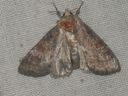
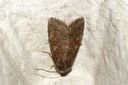
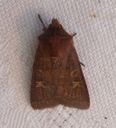
Distinguished from similar noctuids by combination of: highly variable but generally pale to reddish forewing ground color with contrasting whitish stigma outlines; distinct shade; dull grey hindwing; and specific period (late July–August in Europe). The pale luteous grey base color with red-brown or tinge, when present, is characteristic. Separation from other Parastichtis and similar Noctuinae requires examination of genitalia or reference to geographic range and plant association. The numerous named color forms (pallida, grisea, rufa, nigrescens, variegata) reflect intraspecific variation rather than distinct species.
Images
Habitat
Associated with willow stands, particularly in situations supporting Salix lapponum, Salix caprea, and Salix phylicifolia. include wetlands, scrub, and open woodland where willows occur.
Distribution
Europe (widespread), Russia, east through Palearctic to Japan, and North America. Specific regional records include Belgium with presence in Brussels-Capital Region and Flemish Region.
Seasonality
on wing late July to August in one in Europe. Larvae present April to June. Overwinters as on plant.
Diet
Larvae feed on Salix lapponum, Salix caprea, and Salix phylicifolia (willows). Young larvae inhabit spun shoots; older larvae inhabit spun leaves. diet not documented.
Host Associations
- Salix lapponum - larval food plantDowny willow; young larvae feed in spun shoots
- Salix caprea - larval food plantGoat willow
- Salix phylicifolia - larval food plantTea-leaved willow
Life Cycle
stage overwinters on plant. Larvae feed April to June, initially in spun shoots, later in spun leaves. occurs underground. emerge late July to August. Single in Europe.
Behavior
Larvae construct silk shelters: young larvae spin shoots, older larvae spin leaves together. are .
Ecological Role
Specialized herbivore on willow ; contributes to nutrient cycling through herbivory and serves as prey for and .
Human Relevance
No significant economic or cultural importance documented. Subject of entomological study due to wide distribution and pronounced color variation.
Similar Taxa
- Other Parastichtis speciesRequire genital dissection or detailed examination of wing pattern elements for reliable separation; geographic overlap exists in parts of range
- Similar Noctuinae with grey-reddish forewingsDistinguished by combination of large stigmata with whitish outlines, distinct shade, and specific period
More Details
Color variation
The exhibits exceptional phenotypic plasticity in coloration, with six named forms described by Tutt: pallida (very pale, minimal markings), grisea (grey, no warm tones), suspecta (typical, mottled brownish-red), nigrescens (blackish red-brown), rufa (bright red, clear markings), and variegata (red-brown with purplish grey and paler stigmata). This variation has historically caused taxonomic confusion.
Larval shelter construction
Ontogenetic shift in shelter type: young larvae use spun shoots, older larvae transition to spun leaf shelters. This behavioral shift correlates with larval growth and feeding site selection on willow foliage.