Lithophane signosa
(Walker, 1857)
signate pinion, sycamore pinion moth
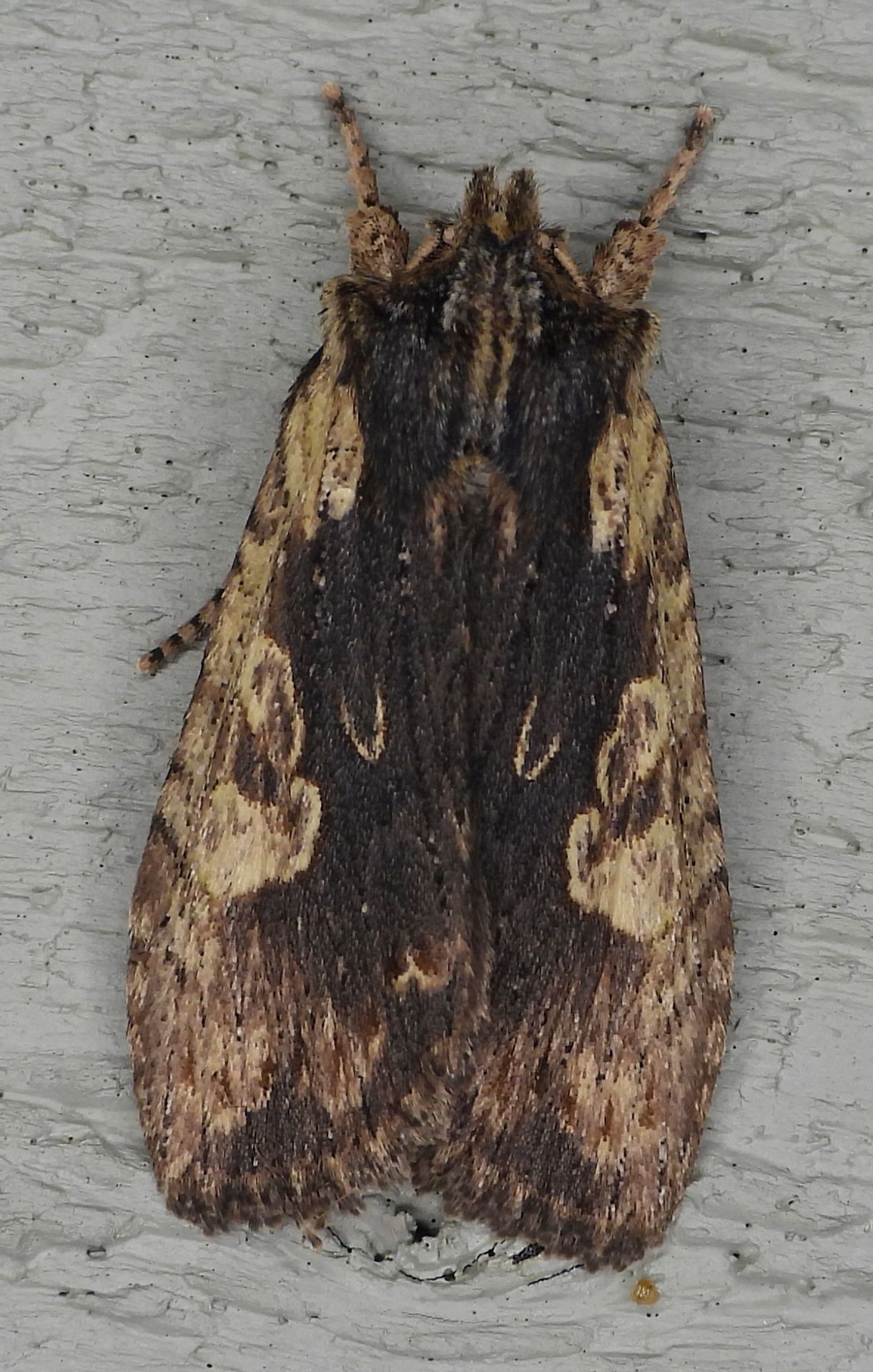
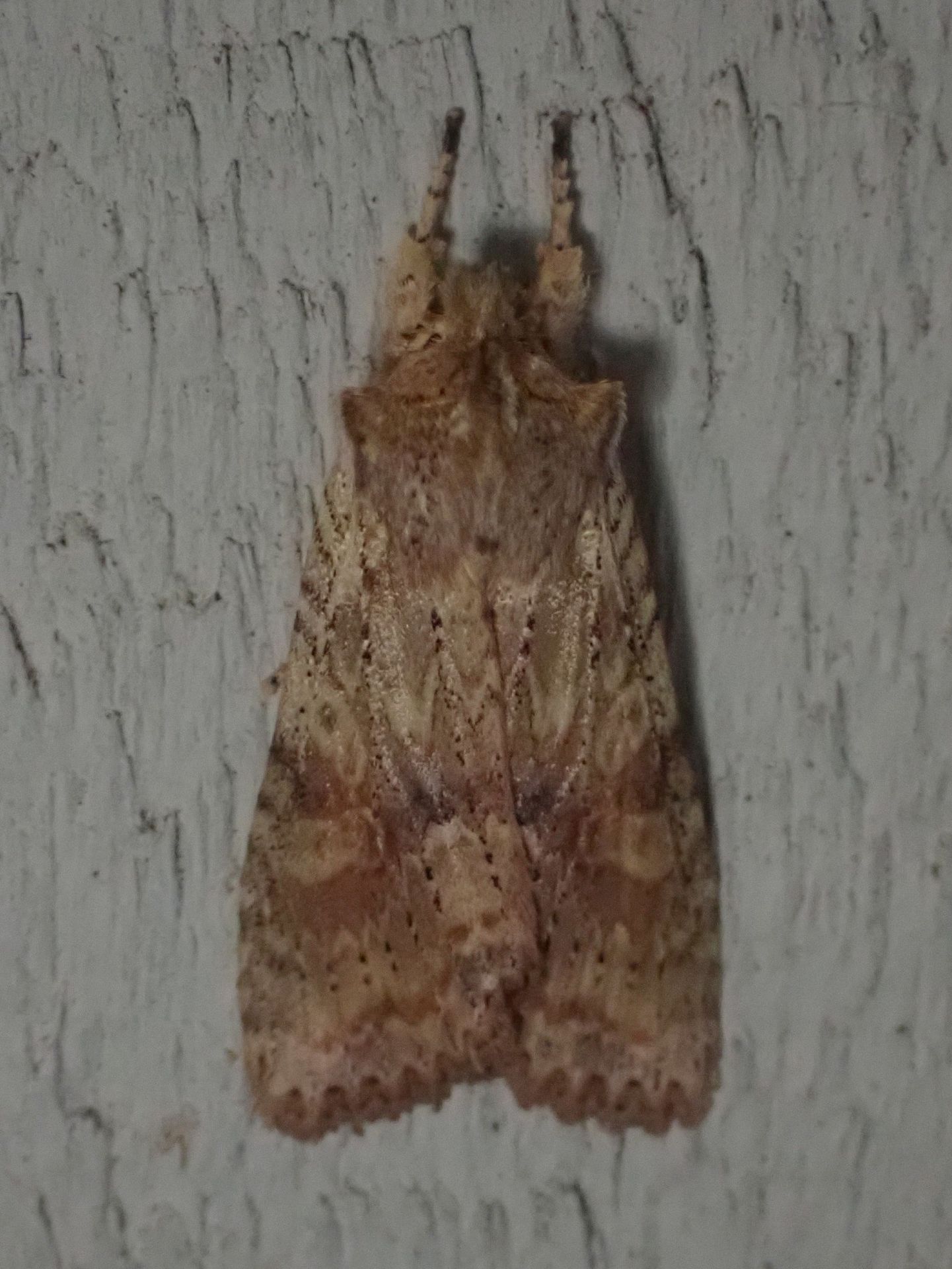
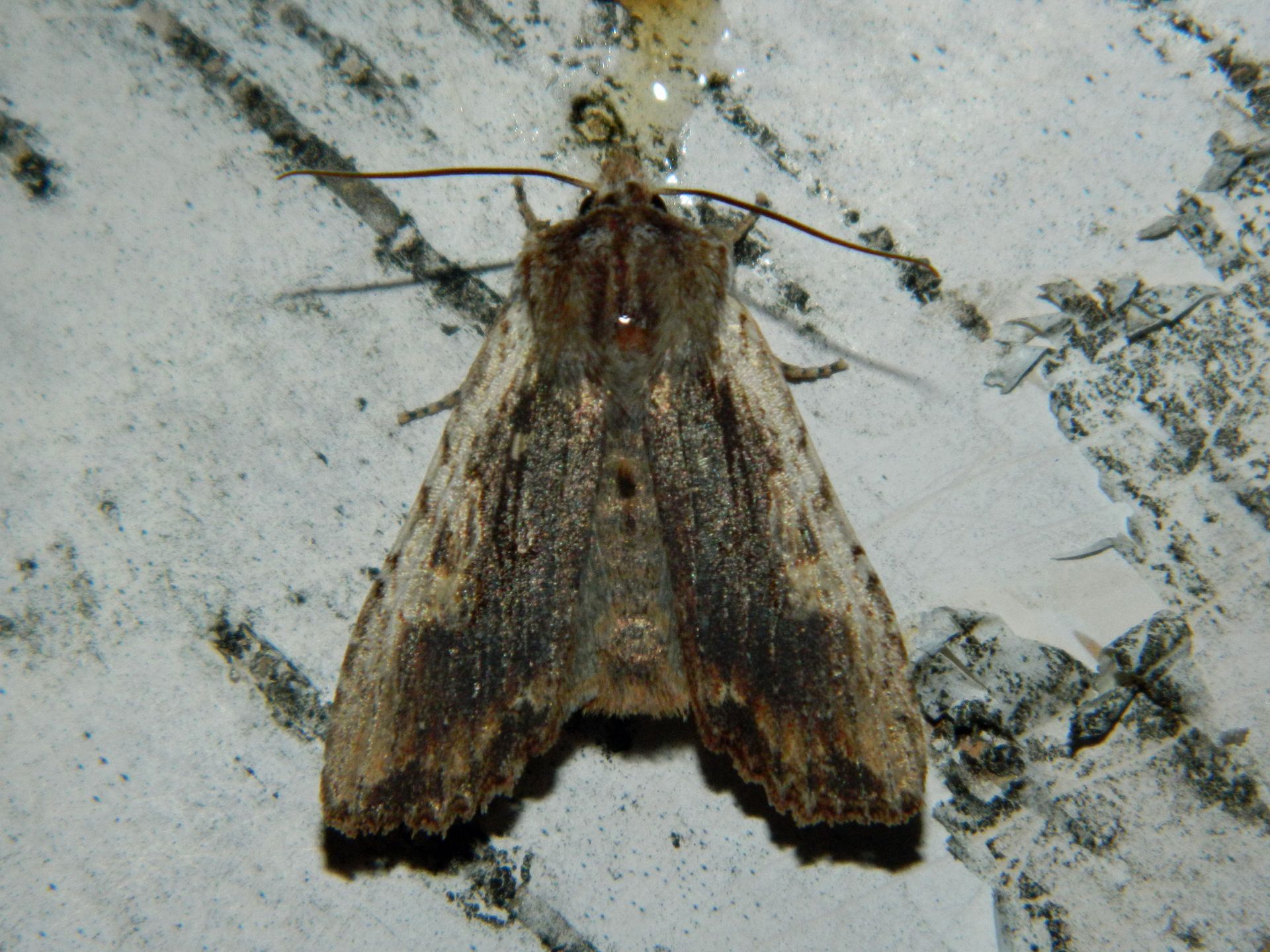
Lithophane signosa is a to North America, first described by Francis Walker in 1857. Commonly known as the signate pinion or sycamore pinion , it belongs to the Lithophane, a group of cold-adapted moths often active in late fall, winter, or early spring. The species has been documented extensively with over 6,000 iNaturalist observations. It is assigned MONA/Hodges number 9895.
Pronunciation
How to pronounce Lithophane signosa: /ˌlaɪ.θəˈfeɪn ˌsɪɡˈnoʊ.sə/
These audio files are automatically generated. While they are not always 100% accurate, they are a good starting point.
Identification
As a member of the ' Pinions' section within Lithophane, this exhibits variable brown coloration that can complicate identification. The specific distinguishing features from are not documented in available sources. Specimens may require examination of or reference to specialized for the Lithophane .
Images
Distribution
North America. Specific range details beyond continental presence are not documented in available sources.
Host Associations
- Platanus - larval 'sycamore pinion ' suggests association with sycamore (Platanus) , though this relationship has not been explicitly documented in provided sources.
Similar Taxa
- Other Lithophane speciesMembers of the ' Pinions' section share variable brown coloration and can be difficult to distinguish without detailed examination. The specific epithet 'signosa' (meaning 'marked' or 'signed') may refer to distinctive markings, but these are not described in available sources.
More Details
Taxonomic History
Originally described as Xylina signosa by Francis Walker in 1857, later transferred to the Lithophane. The basionym Xylina signosa is preserved in NCBI records.
Taxonomic Cataloguing
Assigned MONA ( of North America) or Hodges number 9895, a standard reference number used in North lepidopteran checklists.