
Aseptis
McDunnough, 1937
Species Guides
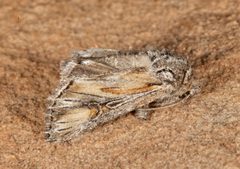
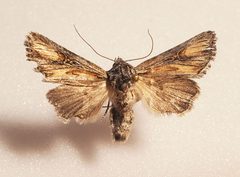
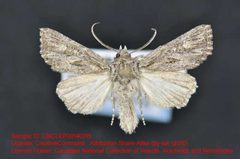
15Aseptis is a of noctuid erected by James Halliday McDunnough in 1937. The genus contains approximately 15 recognized , with some authors grouping them into informal based on morphological similarities. Species are primarily distributed in western North America. The genus has undergone taxonomic revision, with several former species now excluded.
Pronunciation
How to pronounce Aseptis: //əˈsɛptɪs//
These audio files are automatically generated. While they are not always 100% accurate, they are a good starting point.
Identification
Aseptis are distinguished from related noctuids by a combination of forewing pattern elements and genitalic structures. Members of the A. fumeola species group show characteristic fuscous or smoky coloration with reduced pattern contrast. The A. lichena species group exhibits lichen-mimicking gray-green coloration. Accurate identification to species level generally requires examination of male genitalia or .
Images
Habitat
occur in diverse of western North America including coastal scrub, chaparral, oak woodland, coniferous forest, and montane meadows. Elevation ranges vary considerably by species, from near sea level to subalpine zones.
Distribution
Western North America, primarily the United States and Canada west of the Rocky Mountains, with some extending into adjacent regions of Mexico. The shows highest in California and the Pacific Northwest.
Seasonality
periods vary by and elevation, with most activity occurring from late winter through early autumn. Lower elevation species often show bimodal flight patterns corresponding to spring and late summer .
Similar Taxa
- AcronictaSimilar forewing shape and pattern elements; distinguished by differences in male genitalia structure and larval associations
- CrypsotidiaOverlapping distribution and habit; separated by wing venation and pattern details
More Details
Taxonomic history
The was established to accommodate previously placed in other noctuid genera, particularly those with reduced forewing pattern elements. Mustelin (2000, 2006) contributed significantly to modern species concepts through revisionary work.
Species groups
Informal groupings (fumeola group, lichena group) reflect morphological convergence and shared ecological preferences rather than confirmed phylogenetic relationships.