
Pseudobryomima
Barnes & Benjamin, 1927
Species Guides
3- Pseudobryomima distans
- Pseudobryomima fallax(cutworm moth)
- Pseudobryomima muscosa(Mossy Pseudobryomima Moth)
Pseudobryomima is a of owlet moths in the Noctuidae, erected by William Barnes and Foster Hendrickson Benjamin in 1927. The genus contains three described : P. distans, P. fallax, and P. muscosa. Based on iNaturalist records, the genus has been documented in approximately 306 observations. All three species were described in the early 20th century, with P. distans originally placed in a different genus before being transferred to Pseudobryomima.
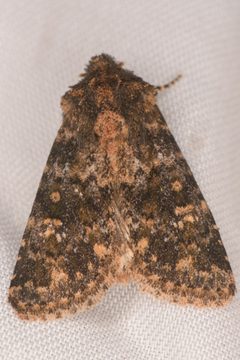

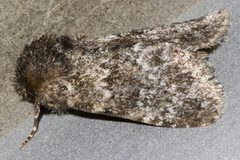
Pronunciation
How to pronounce Pseudobryomima: //ˌsjuːdoʊbraɪoʊˈmaɪmə//
These audio files are automatically generated. While they are not always 100% accurate, they are a good starting point.
Identification
The name Pseudobryomima indicates a resemblance to Bryomima, a related noctuine genus. -level identification requires examination of genitalia and subtle wing pattern differences. P. distans, P. fallax, and P. muscosa can be distinguished by differences in forewing maculation, particularly the configuration of the and spots, and the prominence of the postmedial line. Dissection and comparison of male genitalia is typically necessary for definitive identification.
Images
Distribution
The occurs in North America. P. distans is known from western regions including California. Specific distribution details for P. fallax and P. muscosa are not well-documented in available sources.
Similar Taxa
- BryomimaThe name Pseudobryomima ("false Bryomima") directly indicates morphological similarity; historically, now placed in Pseudobryomima were likely confused with or compared to Bryomima species.
- Other Noctuinae generaGeneral resemblance to other dull-colored, medium-sized noctuine with patterned forewings; requires genital dissection for separation.
More Details
Nomenclatural history
The was established by prominent North American lepidopterists William Barnes and Foster Hendrickson Benjamin in 1927. Barnes also co-described P. distans with James Halliday McDunnough in 1912, originally under a different genus before its transfer to Pseudobryomima.