
Fishia illocata
Walker, 1857
Wandering Brocade, Wandering Brocade Moth
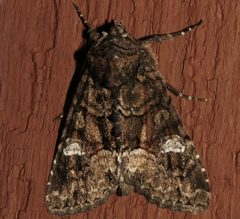
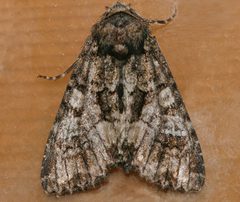
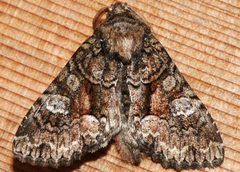
Fishia illocata is a noctuid known as the wandering brocade, first described by Francis Walker in 1857. It occurs across North America from coast to coast, with notable abundance in wet coastal forests and wet conifer forests of the northern Rocky Mountains. are active in fall and have a wingspan of approximately 35 mm. The larvae feed on alder foliage.
Pronunciation
How to pronounce Fishia illocata: /ˈfɪʃiə ɪˈloʊkətə/
These audio files are automatically generated. While they are not always 100% accurate, they are a good starting point.
Identification
The can be distinguished from similar Fishia species by its transcontinental North American distribution and fall period. The specific epithet 'illocata' (meaning 'wandering' or 'unsettled') reflects its wide geographic range. Definitive identification likely requires examination of genitalia or molecular analysis, as is common for many Noctuidae species.
Images
Appearance
have a wingspan of approximately 35 mm. As a member of the Noctuidae , it possesses the characteristic stout body and cryptically colored forewings typical of owlet moths. Specific coloration and pattern details are not well documented in available sources.
Habitat
Abundant in wet coastal forests and wet conifer forests of the northern Rocky Mountains. Occurs in mesic forest environments across its range.
Distribution
Transcontinental in North America, occurring from coast to coast. Documented in Canadian provinces including Alberta, Manitoba, and Saskatchewan, as well as the northeastern United States (Vermont).
Seasonality
are on wing in fall (autumn period).
Diet
Larvae feed on the foliage of Alnus (alders). feeding habits are not documented.
Host Associations
- Alnus - larval food plantLarvae feed on foliage
Life Cycle
Complete with , larva, pupa, and stages. Larval stage feeds on alder foliage. details and stage are not documented in available sources.
Behavior
activity in autumn. Specific behavioral details such as mating, oviposition, or larval are not documented.
Ecological Role
Larvae function as herbivores on alder trees, potentially contributing to nutrient cycling in riparian and wet forest . role in pollination or as prey is not documented.
Human Relevance
No documented economic or cultural significance. Occasionally observed and photographed by naturalists and enthusiasts.
Similar Taxa
- Fishia speciesCongeneric may overlap in distribution and ; identification to species level often requires specialized examination
- Other NoctuinaeMany noctuine share similar size, coloration, and preferences; fall period helps distinguish F. illocata in some regions
More Details
Taxonomic History
Originally described as Hadena illocata by Walker in 1857. Has been treated under the Oligia in some sources (as Oligia illocata), but is currently classified in Fishia.
Observation Frequency
Well-represented in citizen science databases with over 1,700 observations on iNaturalist, indicating it is frequently encountered by observers in appropriate and season.