
Bryolymnia
Hampson, 1908
Species Guides
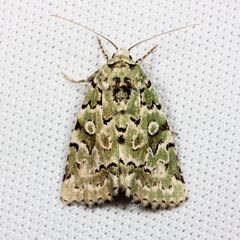
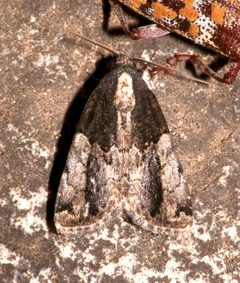
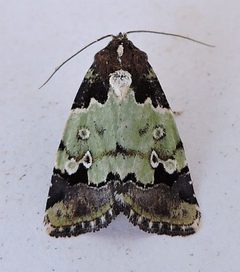
7Bryolymnia is a of noctuid erected by George Hampson in 1908. It is classified within the Bryophilinae and contains approximately 23 described distributed primarily in the Neotropical region. The genus name derives from Greek roots suggesting a connection to moss (bryo-) and a type of nymph or maiden (lymnia), though the etymological significance remains unclear. Species within this genus exhibit considerable diversity in wing pattern and coloration.
Pronunciation
How to pronounce Bryolymnia: /braɪˈɒlɪmniə/
These audio files are automatically generated. While they are not always 100% accurate, they are a good starting point.
Identification
Bryolymnia are distinguished from related bryophiline by genitalic characters, particularly in male claspers and female signa. External varies considerably among species, with wingspans and color patterns ranging from dull gray-brown to more distinctly marked forms with fasciate patterns. Accurate identification to species level generally requires dissection and examination of genitalia.
Images
Distribution
Neotropical region, with records from Mexico, Central America, and South America. Specific country-level distributions vary by .
Similar Taxa
- BryophilaBoth belong to Bryophilinae and share similar overall body plans; distinguished by genitalic and forewing pattern elements
- CrypsotidiaAnother bryophiline with superficially similar external appearance; separation requires examination of male genitalia structure
More Details
Taxonomic History
The was established by Hampson in 1908 with Bryolymnia atriceps as the type . Modern revisions by Lafontaine, Walsh, and others in 2007-2010 added several new species and clarified species boundaries through genitalic examination.
Etymology
The name combines 'bryo-' (Greek: moss) with 'lymnia' (Greek: a type of nymph or maiden, or possibly related to standing water). Hampson did not provide an explicit etymology in the original description.