Resapamea diluvius
Crabo, 2013
Resapamea diluvius is a noctuid described in 2013. It is to the Columbia Basin region of the Pacific Northwest. The name references the cataclysmic Ice Age floods that shaped its .
Pronunciation
How to pronounce Resapamea diluvius: //rɛsəˈpiːmiə dɪˈluːviəs//
These audio files are automatically generated. While they are not always 100% accurate, they are a good starting point.
Identification
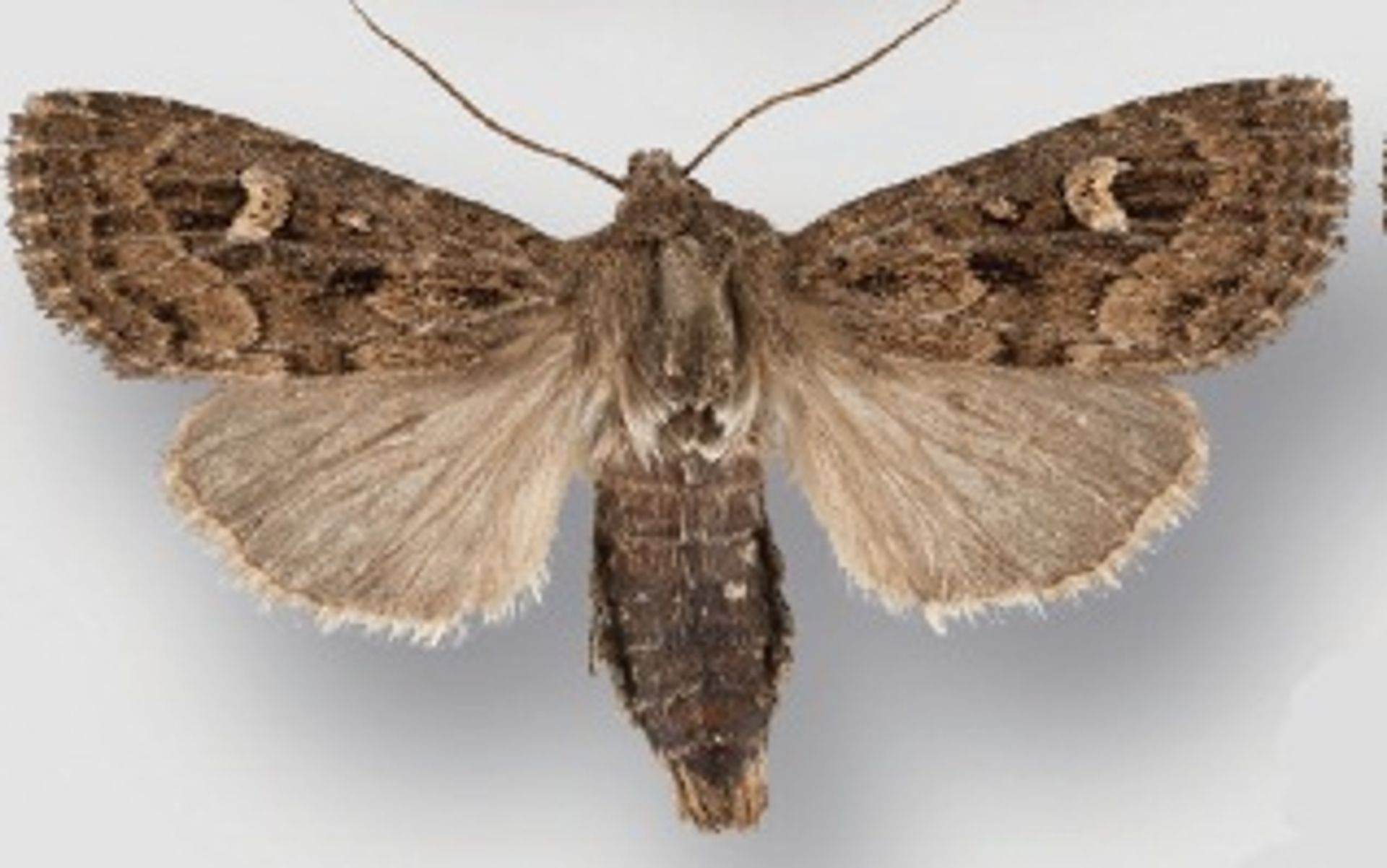
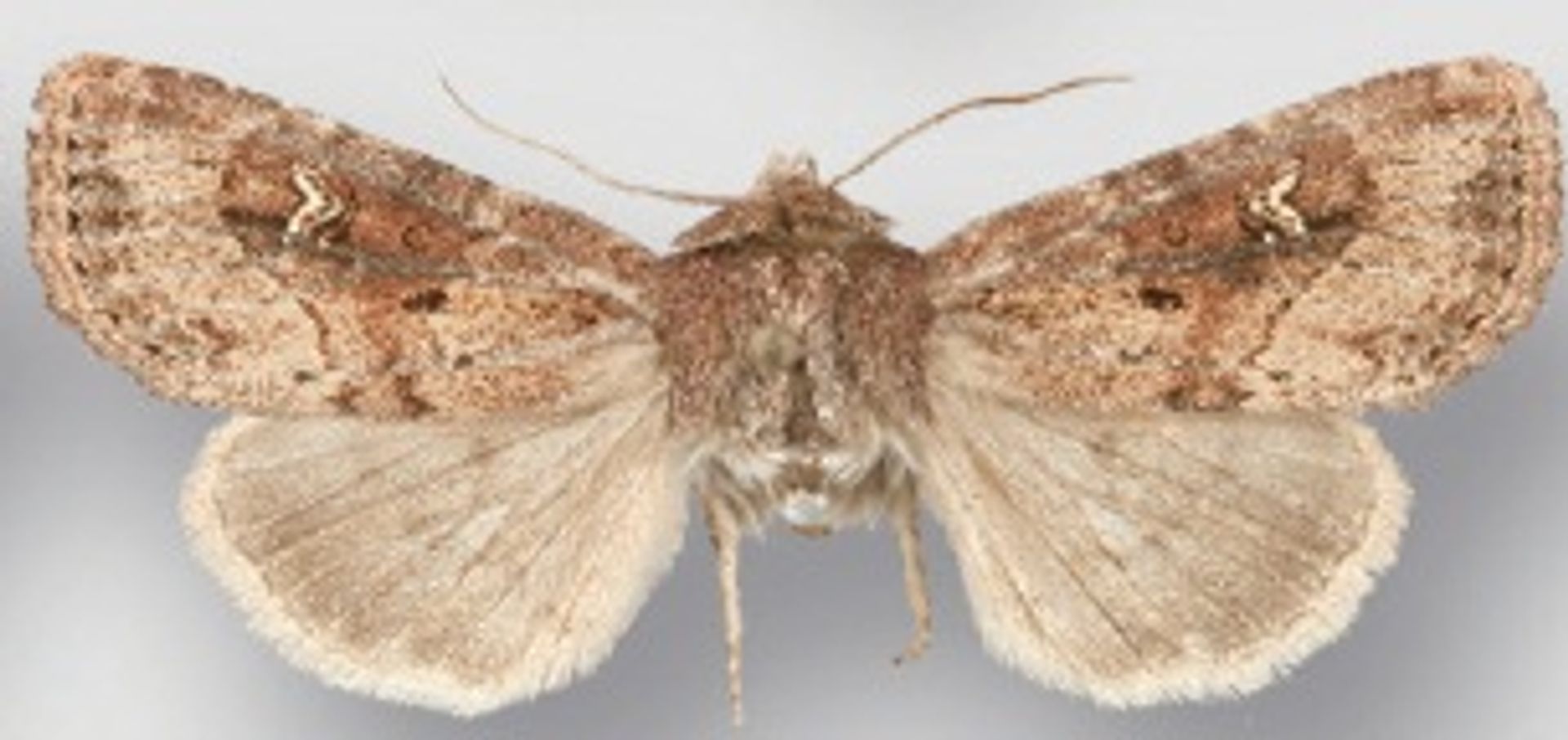
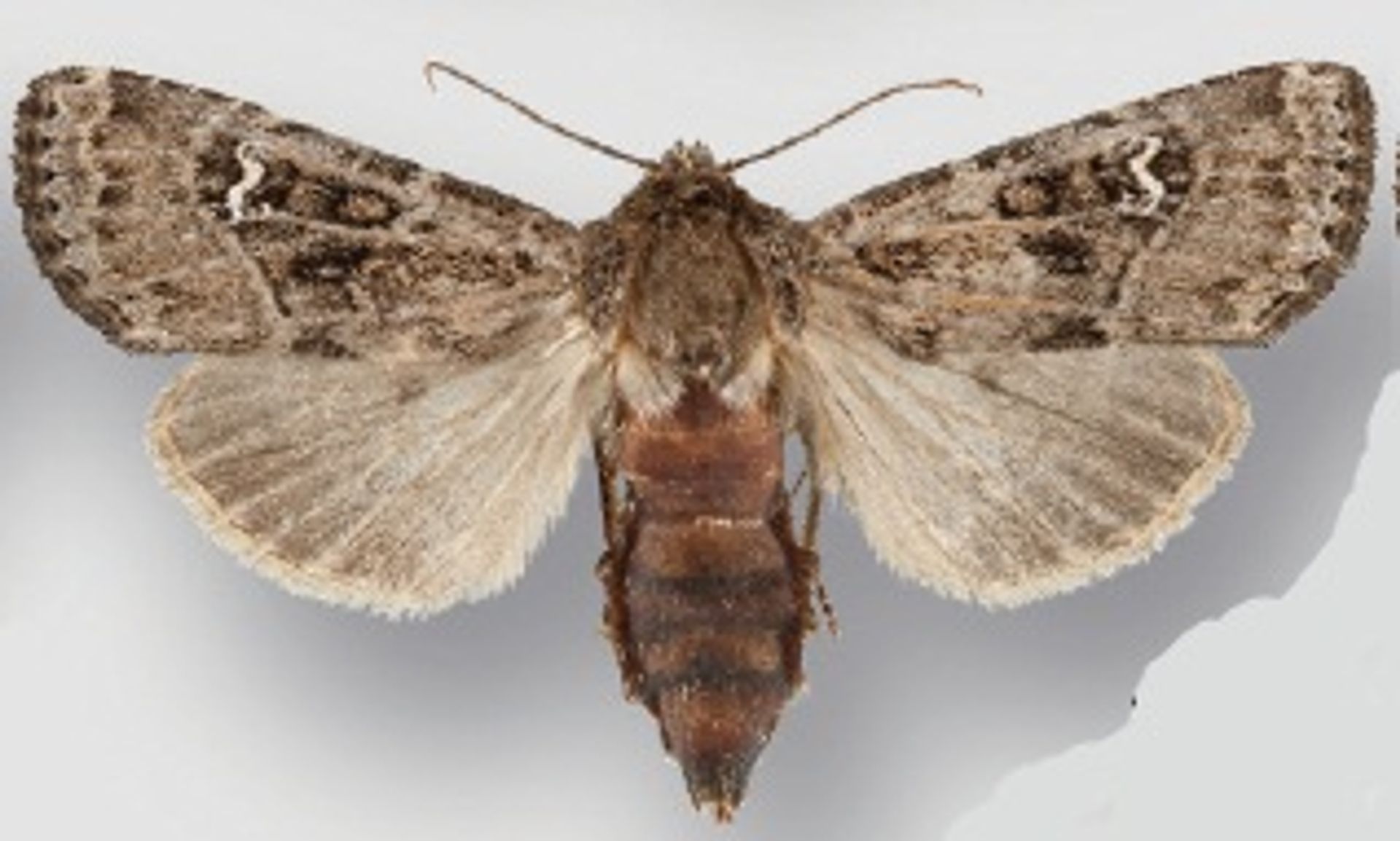
Distinguished from similar Resapamea by forewing color pattern: mixture of gray brown, gray tan, red brown, gray, and blackish-gray with medium-dark to dark gray brown or reddish-gray brown ground color. Hindwing with slightly brownish gray base, darker half, gray ill-defined oval discal spot, and thin terminal line. Size range and Columbia Basin distribution also aid identification.
Images
Appearance
Forewing length 16–19 mm in males, 15–18 mm in females. Forewings mixture of gray brown, gray tan, red brown, gray, and blackish-gray ; ground color medium-dark to dark gray brown or reddish-gray brown. Hindwing surface slightly brownish gray, darker and grayer on half, with gray ill-defined oval discal spot and thin terminal line.
Habitat
Columbia Basin scablands and associated in Washington and northern Oregon; possibly sand dune habitats in northern Nevada and northern Great Plains.
Distribution
Confirmed: Columbia Basin, Washington and northern Oregon. Possible: northern Nevada dunes, northern Great Plains.
Seasonality
active late April to early June.
Diet
Larvae probably feed on Rumex venosus (winged dock).
Host Associations
- Rumex venosus - probable larval Based on probable feeding association; not confirmed
Human Relevance
Named for geological history of its ; etymology references Ice Age floods (diluvium = deluge/flood) that scoured the Columbia Basin.
Similar Taxa
- Other Resapamea speciesSimilar members share general noctuid ; R. diluvius distinguished by specific forewing color mixture and Columbia Basin distribution
More Details
Etymology
From Latin diluvium (deluge/flood), referencing cataclysmic Ice Age floods that repeatedly scoured the Columbia Basin where this occurs