
Cherokeea
Quinter & Sullivan, 2014
Species Guides
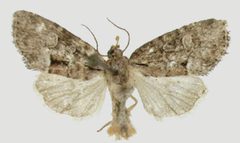
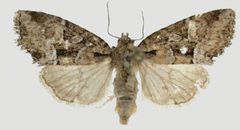
1- Cherokeea attakullakulla(Cherokee Moth)
Pronunciation
How to pronounce Cherokeea: //tʃɛˈɹoʊkiə//
These audio files are automatically generated. While they are not always 100% accurate, they are a good starting point.
Images
Habitat
The sole C. attakullakulla is associated with canebrake —stands of native bamboo (Arundinaria appalachiana) that occur in the southern Appalachian Mountains. These habitats are found at middle elevations in mountainous and foothill regions.
Distribution
Restricted to the southern Appalachian Mountains: North Carolina (Swain County, Macon County in the mountains, and Rutherford County in the foothills) and Georgia (Rabun County).
Seasonality
are active in June. The has one per year ().
Host Associations
- Arundinaria appalachiana - probable larval plantLarvae probably feed on this native bamboo ; based on association and related species
Life Cycle
One per year. emerge in June. Larval stage presumably occurs on plant, though detailed information is limited.
Human Relevance
The name honors the Cherokee Nation, whose members were stewards of the Appalachian where this occurs. The epithet attakullakulla honors Chief Attakullakulla, a Cherokee leader who traveled to London in 1730 to represent his people in treaty negotiations. The species was described in 2014 by Eric Quinter and J. Bolling Sullivan III.