Schinia regina
Pogue & Harp, 2003
Reginia Primrose Moth
Schinia regina is a noctuid described in 2003, found in the south-central United States. are active in late summer and early autumn. The is closely associated with its larval plant, Palafoxia sphacelata.
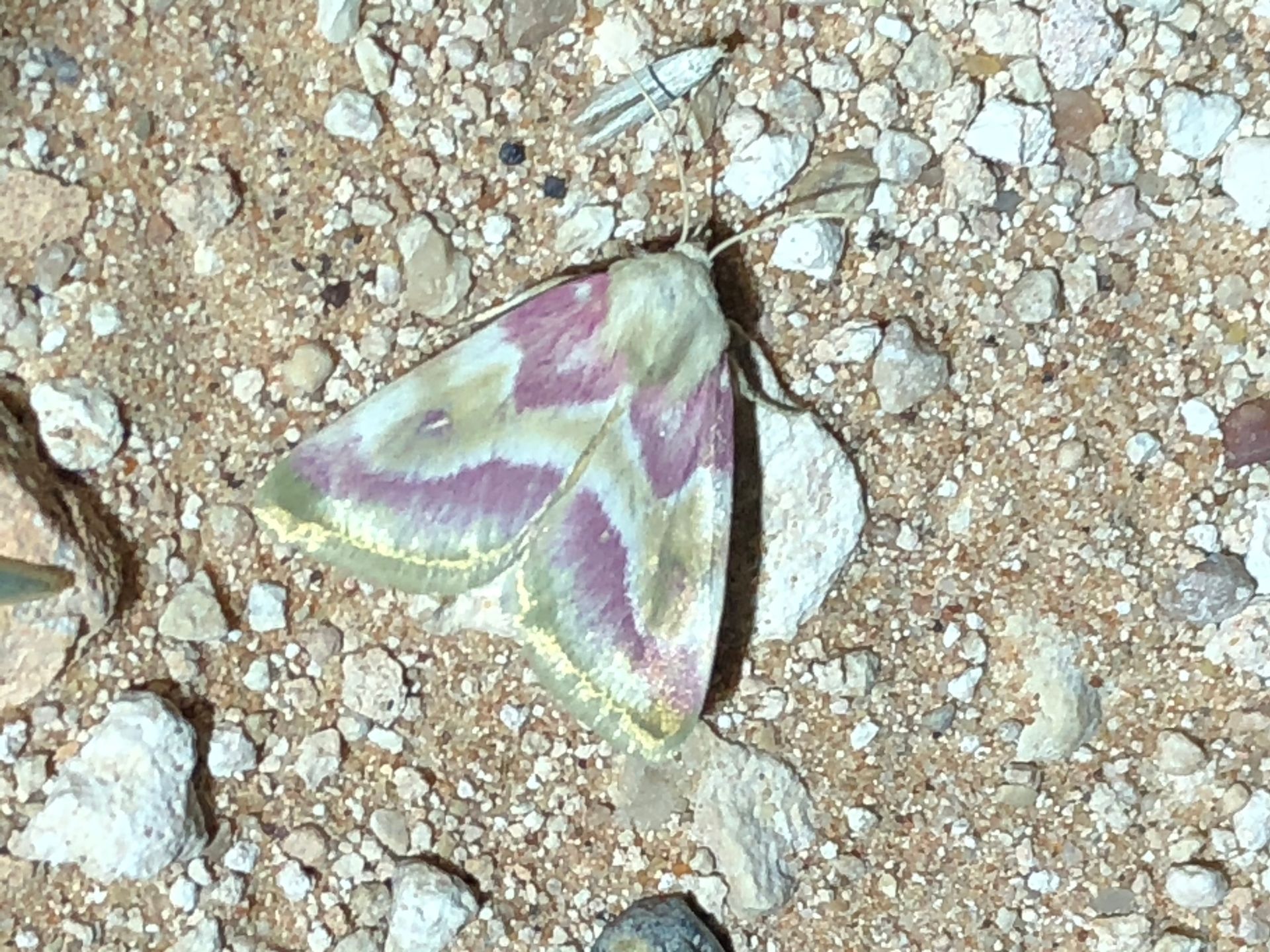
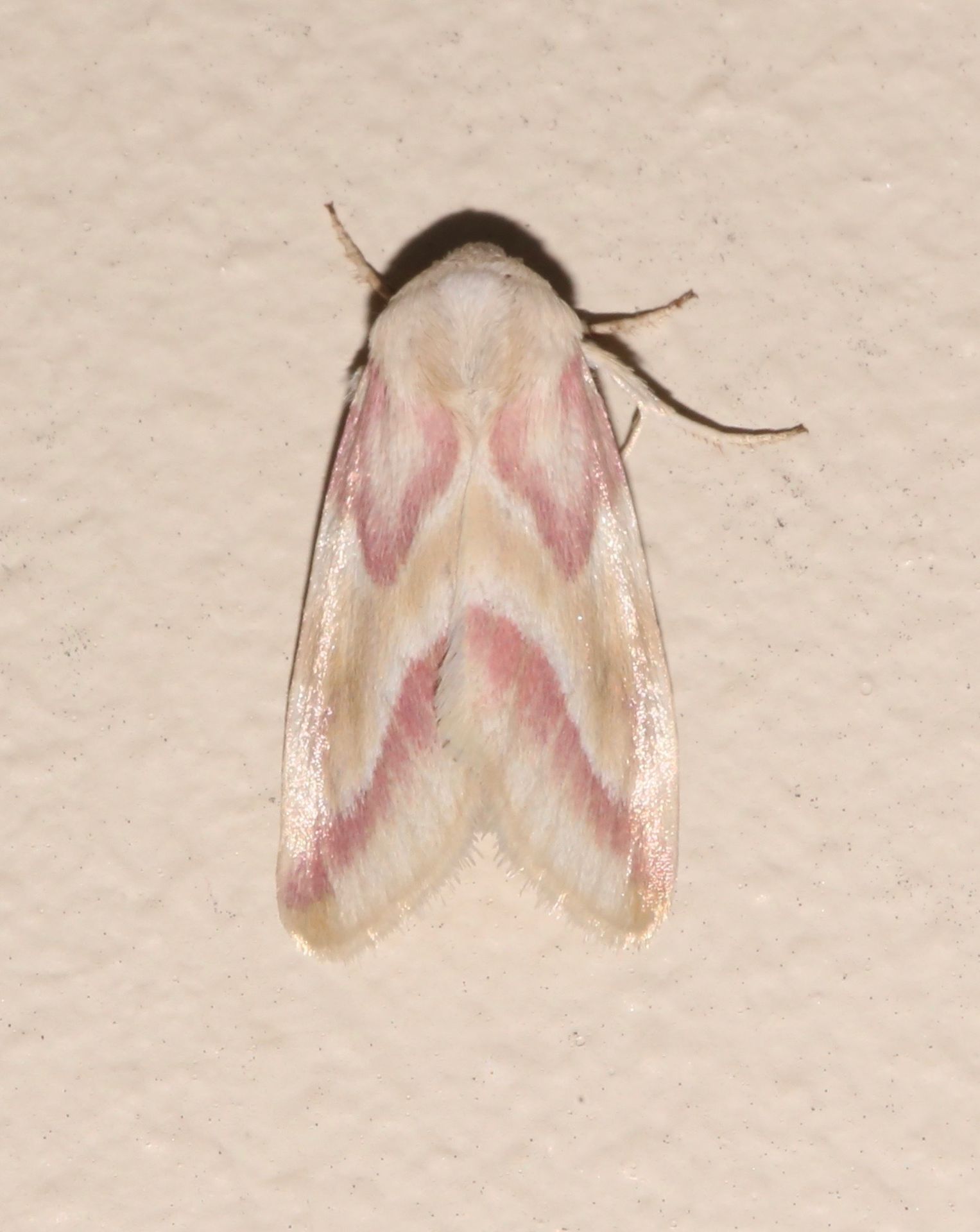
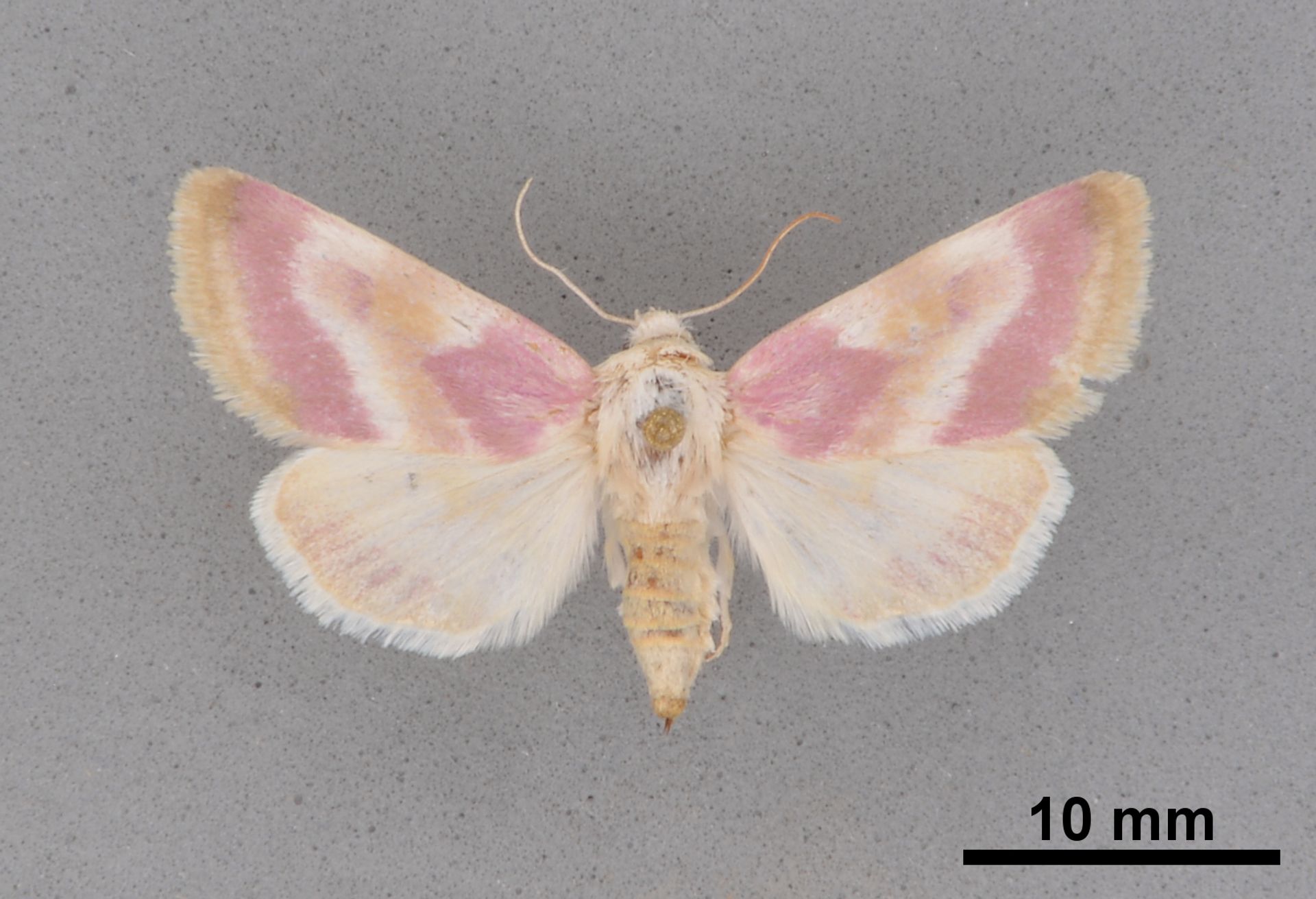
Pronunciation
How to pronounce Schinia regina: //ˈskɪniə rɪˈdʒaɪnə//
These audio files are automatically generated. While they are not always 100% accurate, they are a good starting point.
Identification
Distinguished from by geographic range and ; fly August to September. Specific diagnostic morphological features separating it from similar Schinia are not documented in available sources.
Images
Appearance
Wingspan measures 26–30 mm. Specific coloration and pattern details are not documented in available sources.
Habitat
Associated with supporting its larval plant Palafoxia sphacelata, which grows in dry, open areas including prairies and grasslands.
Distribution
South-central United States: southern and western Texas north to the panhandle, northwestern Oklahoma, Kansas, Nebraska, west to southern New Mexico and eastern Colorado.
Seasonality
active August to September. Larval timing not documented.
Diet
Larvae feed on Palafoxia sphacelata (Asteraceae). feeding habits are not documented.
Host Associations
- Palafoxia sphacelata - larval plantsole documented
Life Cycle
Complete with , larva, pupa, and stages. Specific developmental details are not documented.
Similar Taxa
- Other Schinia speciesNumerous in the Schinia share similar size and general ; precise differentiation requires examination of genitalia or molecular data not summarized in available sources.
More Details
Taxonomic history
Described by Pogue and Harp in 2003, making it one of the more recently described in the Schinia.
Sources and further reading
- BugGuide
- Wikipedia
- GBIF taxonomy match
- iNaturalist taxon
- NCBI Taxonomy
- Catalogue of Life
- Bohart Museum Features UC Davis Forensic Entomologist Bob Kimsey | Bug Squad
- Fly Diversity Explained With Ukrainian Colors | Bug Squad
- Observing Bay Area World Malaria Day | Bug Squad
- How Blow Flies Compete (or Not) for Decomposition Duties
- Why Forensic Entomologists Say Crime-Scene Investigators Should Carry Cans of Tuna
- Two New Pillbugs Discovered in Los Angeles