Schinia mitis
Grote, 1873
matutinal flower moth
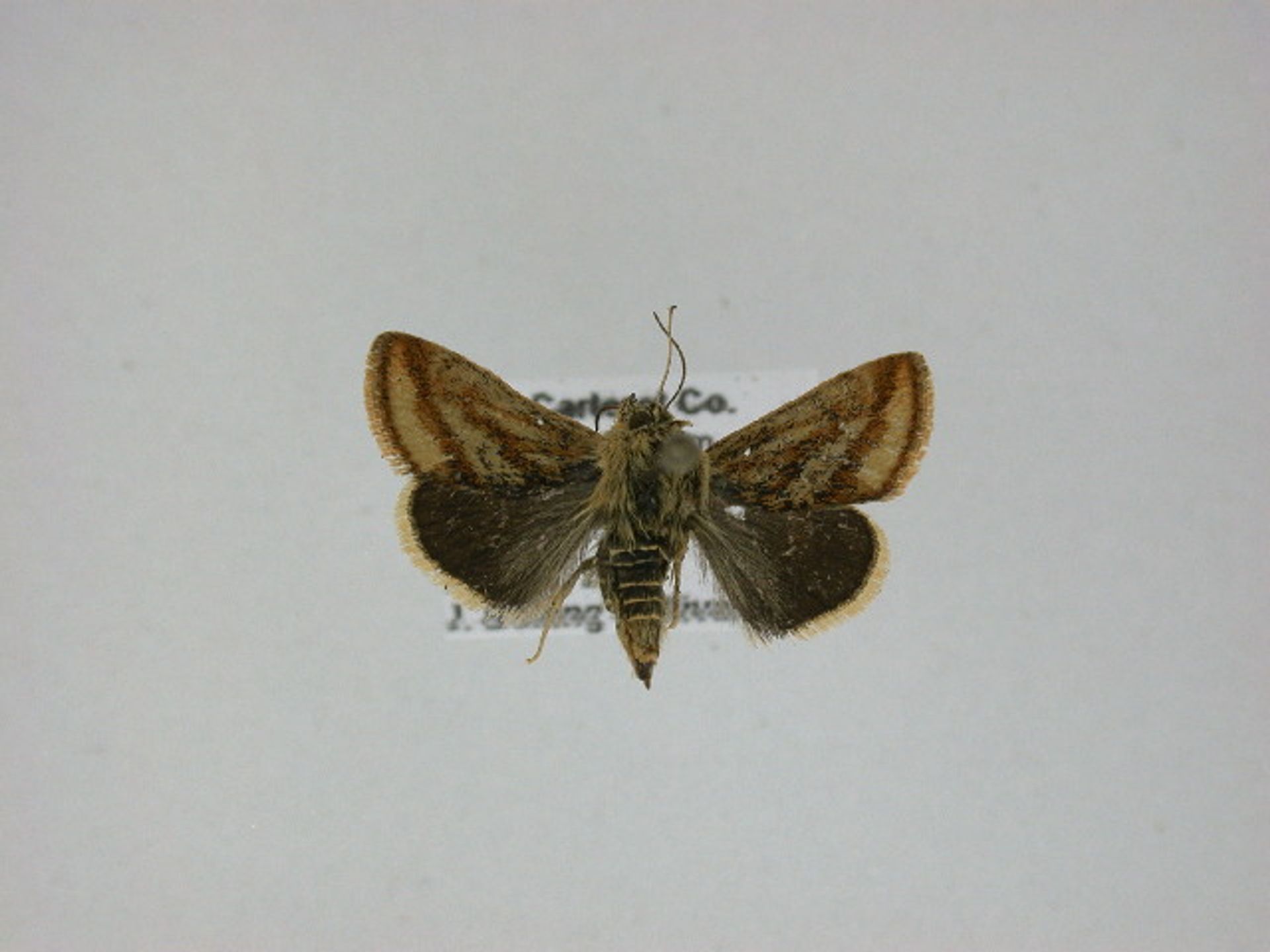
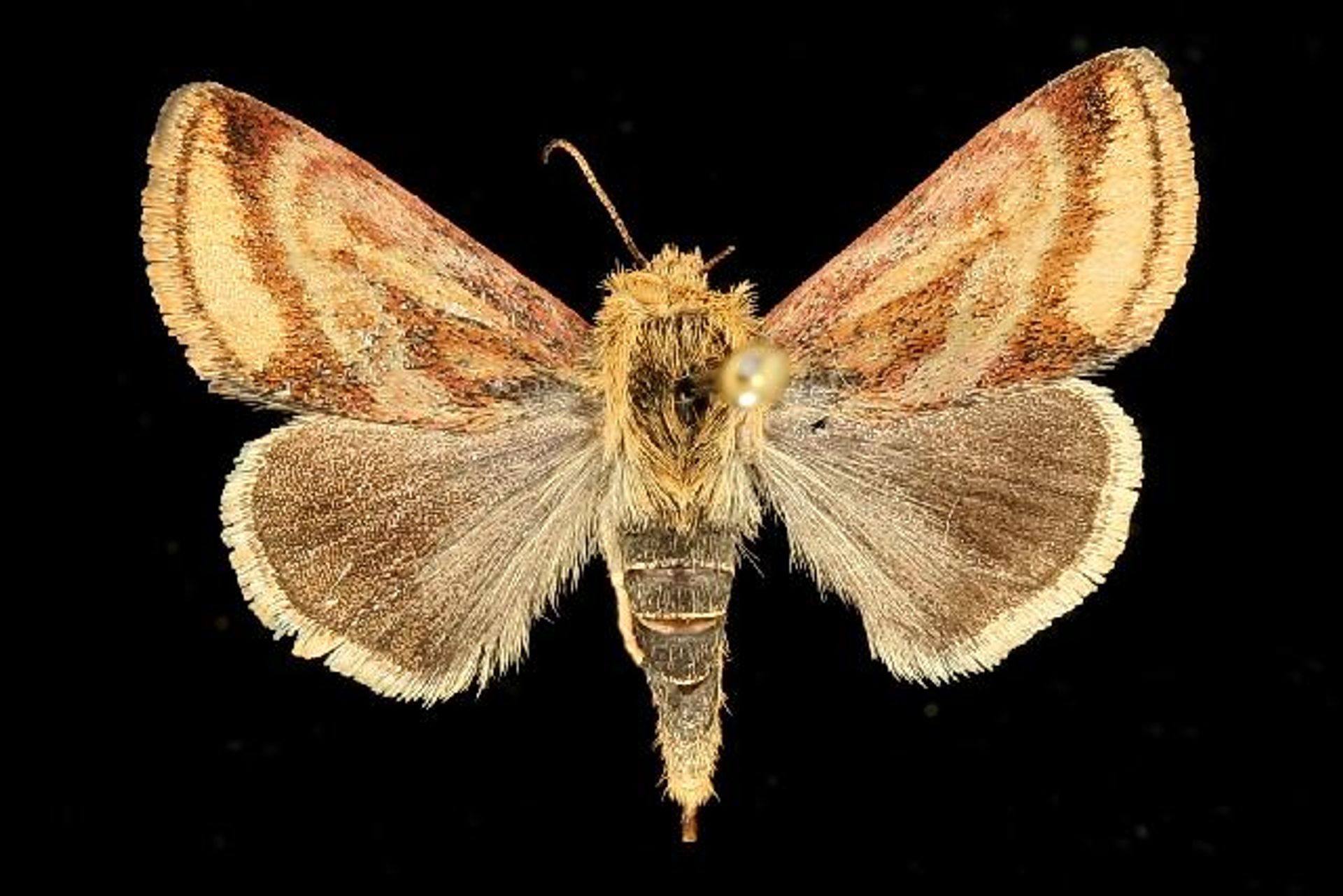
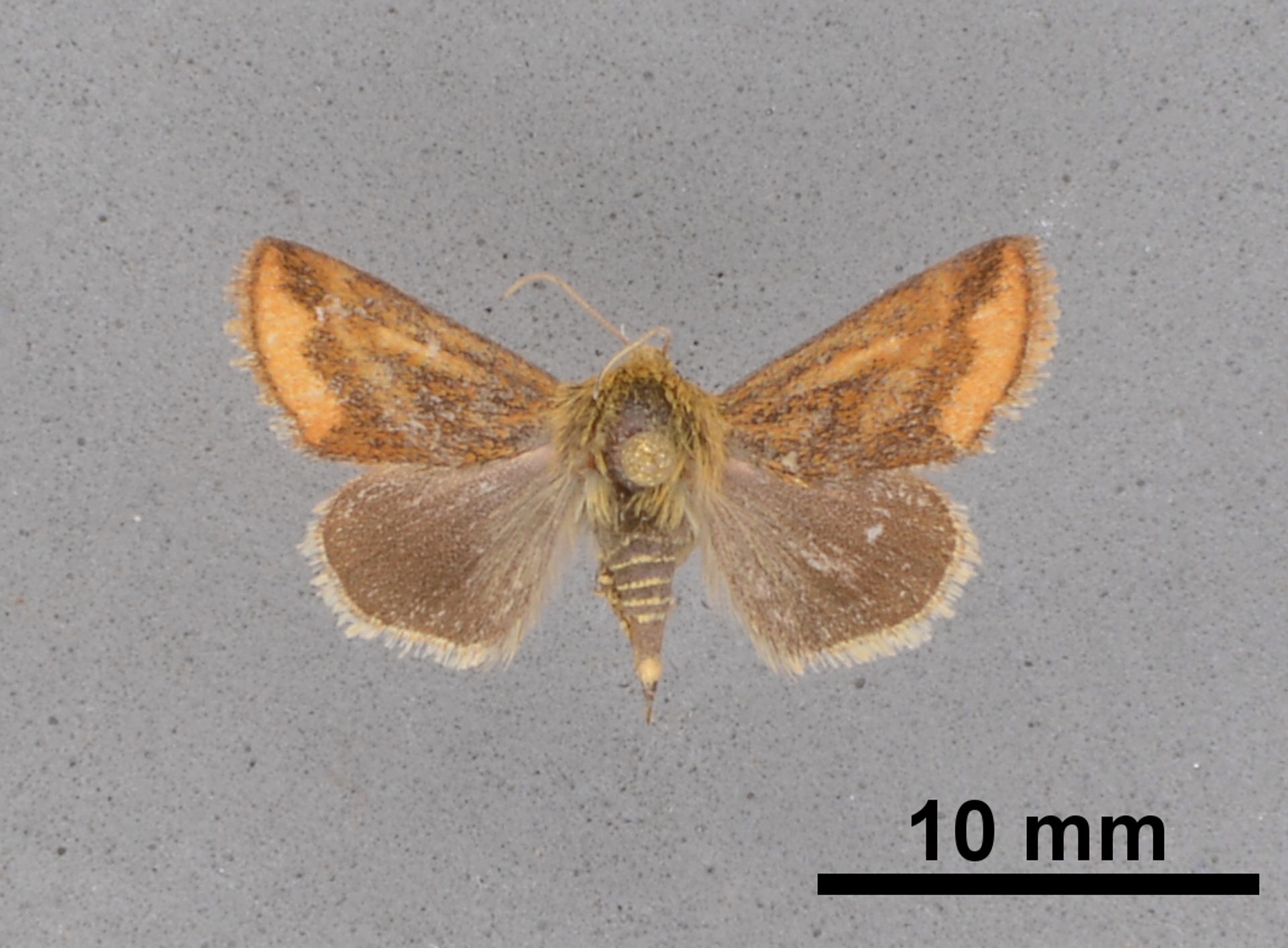
Schinia mitis is a day-flying noctuid known for its highly restricted morning activity period. Unlike most noctuids, it is active only for a few hours after dawn, coinciding with the opening of its plant flowers. The exhibits a narrow geographic distribution in the southeastern United States and has been documented feeding on Pyrrhopappus species as larvae.
Pronunciation
How to pronounce Schinia mitis: //ˈskɪn.i.ə ˈmaɪ.tɪs//
These audio files are automatically generated. While they are not always 100% accurate, they are a good starting point.
Identification
can be distinguished from other Schinia by their strictly , morning-only period. The 'matutinal' refers to this dawn activity pattern. Within the Schinia, which contains over 120 North American species, S. mitis is one of relatively few confirmed day-flying species. Most Schinia species are and attracted to lights; finding a Schinia species active exclusively in morning hours strongly suggests S. mitis in its known range. Specific wing pattern details are not documented in available sources.
Images
Habitat
Associated with open where Pyrrhopappus occur. The plants are members of the Asteraceae , suggesting prairie, grassland, or open woodland edge environments where these plants grow.
Distribution
Southeastern United States: central Florida north to Georgia and west to eastern Texas. Distribution records confirm presence in North America.
Seasonality
are on wing primarily from April to June. Additional records exist from September and November, suggesting possible partial second or extended in some years.
Diet
Larvae feed on Pyrrhopappus (Asteraceae). feeding habits are not documented, though related Schinia species are known to visit flowers for nectar.
Host Associations
- Pyrrhopappus - larval plant-level association; specific Pyrrhopappus not identified in sources
Behavior
Strictly with highly restricted activity period: active only for a few hours in the morning when plant flowers are open. This temporal specialization represents a notable departure from the typical of Noctuidae.
Ecological Role
As a flower-visiting , likely contributes to pollination of morning-opening flowers during its brief activity window. Larval herbivory on Pyrrhopappus represents a specialized plant-insect interaction.
Human Relevance
Of interest to lepidopterists due to its unusual and narrow activity window. The is referenced in studies examining to plant .
Similar Taxa
More Details
Life history adaptation
Research has specifically examined how the of Schinia mitis is adapted to its plant Pyrrhopappus, including the synchronization of and activity with flower opening times
Etymology
The specific epithet 'mitis' and 'matutinal' both reference the gentle/morning nature of this ' activity pattern
Sources and further reading
- BugGuide
- Wikipedia
- GBIF taxonomy match
- iNaturalist taxon
- Catalogue of Life
- Bug Eric: Wasp Wednesday: Not Wasp VIII
- Catch a Glimpse of Caterpillars During National Moth Week
- Bug Eric: White Prairie Clover: An Awesome Blossom
- Bug Eric: Remembering National Moth Week 2018
- Bug Eric: October 2018
- 2013 Oklahoma Collecting Trip iReport | Beetles In The Bush