
Schinia indiana
Smith, 1908
Phlox Moth
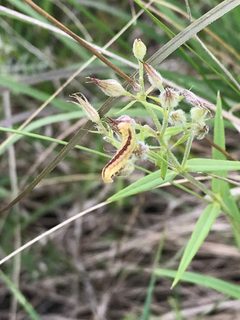
Schinia indiana, commonly known as the Phlox , is a small noctuid moth native to the Midwestern United States. The exhibits a close ecological association with its larval plant, Phlox pilosa, feeding on its flowers and seed pods. are and often rest on the host plant flowers, where their coloration provides camouflage. The species was described by Smith in 1908.
Pronunciation
How to pronounce Schinia indiana: /ˈskɪniə ɪnˈdiːənə/
These audio files are automatically generated. While they are not always 100% accurate, they are a good starting point.
Identification
A small noctuid (wingspan 17–21 mm) associated with Phlox pilosa. Distinguished from other Schinia by geographic range (Midwestern United States) and plant specificity. Many Schinia species are visually similar; precise identification may require examination of genitalia or association with confirmed host plants.
Images
Appearance
Small with a wingspan of 17–21 mm. Like other members of the Schinia, typically display colorful patterning that serves as camouflage when resting on plant flowers. Specific coloration details for this are not well documented in available sources.
Habitat
Prairie and open where the larval plant Phlox pilosa occurs. Found in areas with dry to mesic soils supporting native phlox .
Distribution
Midwestern United States. Specific states are not comprehensively documented, but the range centers on the prairie region where Phlox pilosa is native.
Diet
Larvae feed on Phlox pilosa, consuming flowers and later seed pods. feeding habits are not explicitly documented but are likely nectar-feeding given the pattern of visiting flowers.
Host Associations
- Phlox pilosa - larval plantLarvae feed on flowers and seed pods
Behavior
are and rest on plant flowers. This is consistent with the pattern of using host flower coloration for camouflage.
Ecological Role
of Phlox pilosa through nectar feeding. Larvae function as herbivores, consuming reproductive structures of the plant.
Human Relevance
No significant documented interactions with humans. Not known to be an agricultural pest.
Similar Taxa
- Other Schinia speciesMany Schinia are small, colorful, and associated with Asteraceae or other flowering plants. S. indiana is distinguished by its specific association with Phlox pilosa rather than Asteraceae common to many .
More Details
Taxonomic note
The specific epithet 'indiana' refers to the state of Indiana, where the was likely collected, rather than to the broader geographic range.
Host plant specificity
The association with Phlox pilosa (prairie phlox) is a notable departure from the more common Asteraceae associations found in many other Schinia .
Sources and further reading
- BugGuide
- Wikipedia
- GBIF taxonomy match
- iNaturalist taxon
- Catalogue of Life
- Bug Eric: Wasp Wednesday: Not Wasp VIII
- cave spiders | Blog
- Catch a Glimpse of Caterpillars During National Moth Week
- Akilah Stewart: Working Toward More Eco-Friendly Mosquito Pesticides
- Bug Eric: White Prairie Clover: An Awesome Blossom
- Bug Eric: "Mothapalooza" and More Upcoming Events