
Schinia honesta
Grote, 1881
Black-Spotted Gem
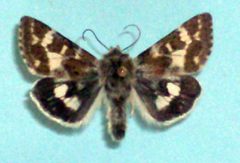
Schinia honesta, commonly known as the black-spotted gem, is a small noctuid first described by Augustus Radcliffe Grote in 1881. It is one of approximately 123 in the Schinia found in North America north of Mexico. The species is characterized by its relatively small size, with a wingspan of about 25–26 mm. Like other members of its genus, it is likely associated with specific plants for larval development, though detailed information remains limited.
Pronunciation
How to pronounce Schinia honesta: //ˈʃɪniə hoʊˈnɛstə//
These audio files are automatically generated. While they are not always 100% accurate, they are a good starting point.
Identification
The small size (25–26 mm wingspan) and geographic occurrence in southern Canada and California may help distinguish this from other Schinia. However, specific diagnostic features for field identification are not well documented. Examination of genitalia is likely required for definitive identification, as is common for many Schinia species. The 'black-spotted gem' suggests dark spotting that may aid recognition, though this should not be relied upon exclusively.
Images
Habitat
Specific associations are not documented for this . Based on the , it likely occurs in open habitats where its plants grow. The recorded distribution spanning southern Canada to California suggests adaptability to varied conditions across western and central North America.
Distribution
Recorded from southern Canada and California. GBIF distribution records indicate presence in North America. The disjunct or widespread nature of this distribution pattern is not clarified in available sources.
Seasonality
activity period not explicitly documented. Based on related Schinia , adults may be active during summer months when plants are in bloom.
Life Cycle
Complete with , larva, pupa, and stages. Specific details of larval plants, number of per year, and stage are not documented for this . Based on the Schinia, larvae likely feed on flowers and developing seeds of specific host plants.
Behavior
are likely and attracted to light, as is typical for Noctuidae. Specific behavioral observations for this are not recorded.
Ecological Role
As a member of the flower moth Schinia, larvae likely function as seed on their plants. may contribute to pollination while feeding on nectar. Specific ecological interactions are not documented.
Human Relevance
No documented economic or cultural significance. The is of interest to lepidopterists and enthusiasts, as indicated by the observation that license plates bearing 'Schinia' are recognized by collectors in the field.
Similar Taxa
- Other Schinia speciesThe Schinia contains at least 123 in North America, many with similar size and general appearance. Definitive identification typically requires examination of genitalia or detailed wing pattern analysis.
More Details
Taxonomic History
Originally described as Melicleptria honesta by Grote in 1881, later transferred to the Schinia. The basionym reflects the historical classification within a different genus.
Collection Interest
Members of the Schinia are popular with collectors, as evidenced by anecdotal reports of lepidopterists with specialized interest in this genus.
Sources and further reading
- BugGuide
- Wikipedia
- GBIF taxonomy match
- iNaturalist taxon
- NCBI Taxonomy
- Catalogue of Life
- Bug Eric: Wasp Wednesday: Not Wasp VIII
- Catch a Glimpse of Caterpillars During National Moth Week
- Bug Eric: White Prairie Clover: An Awesome Blossom
- Bug Eric: Remembering National Moth Week 2018
- Bug Eric: October 2018
- 2013 Oklahoma Collecting Trip iReport | Beetles In The Bush