
Schinia cumatilis
Grote, 1865
silver-banded gem, Silver-banded Gem Moth
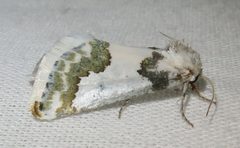
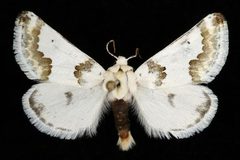
Schinia cumatilis is a small noctuid known as the silver-banded gem, first described by Grote in 1865. The occurs across western North America from the southwestern United States into southern Canada. have a wingspan of approximately 24–27 mm. The larvae are feeders on Artemisia frigida.

Pronunciation
How to pronounce Schinia cumatilis: /ˈʃɪniə kjuˈmætɪlɪs/
These audio files are automatically generated. While they are not always 100% accurate, they are a good starting point.
Identification
can be distinguished from other Schinia by the silver band referenced in the , though specific diagnostic features require examination of specimens. The small size (24–27 mm wingspan) and western North American distribution help narrow identification within the .
Images
Habitat
Associated with supporting its larval plant, Artemisia frigida. Specific habitat preferences for are not documented.
Distribution
Western North America, ranging from the southwestern United States northward into southern Canada. Documented from the Canadian provinces of Alberta, Manitoba, and Saskatchewan.
Diet
Larvae feed exclusively on Artemisia frigida (fringed sagebrush). feeding habits are not documented.
Host Associations
- Artemisia frigida - larval plant association; larvae feed on this
Life Cycle
Complete with , larva, pupa, and stages. Specific details of development timing and stage are not documented.
Behavior
Ecological Role
Larval herbivore on Artemisia frigida. Potential as . Specific ecological impacts are not documented.
Similar Taxa
- Other Schinia speciesMany Schinia are small, colorful noctuids with similar ; identification often requires examination of genitalia or detailed wing pattern analysis
More Details
Sources and further reading
- BugGuide
- Wikipedia
- GBIF taxonomy match
- iNaturalist taxon
- NCBI Taxonomy
- Catalogue of Life
- Eastern Red-Bellied Tiger Beetle | Beetles In The Bush
- August | 2010 | Beetles In The Bush | Page 2
- Bug Eric: Wasp Wednesday: Not Wasp VIII
- Catch a Glimpse of Caterpillars During National Moth Week
- Bug Eric: White Prairie Clover: An Awesome Blossom
- Bug Eric: Remembering National Moth Week 2018