
Pyrrhia cilisca
Guenée, 1852
Bordered Sallow, American Bordered Sallow
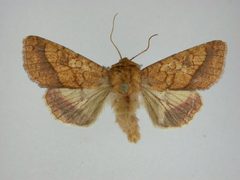
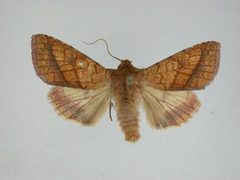
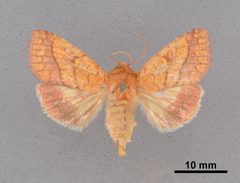
Pyrrhia cilisca is a noctuid with a wingspan of 32–40 mm. are active from May to October across eastern and central North America. The was formerly split into North American (Pyrrhia adela) and Palearctic , but these are now synonymized.
Pronunciation
How to pronounce Pyrrhia cilisca: //ˈpɪr.i.ə ˈsɪ.lɪ.ska//
These audio files are automatically generated. While they are not always 100% accurate, they are a good starting point.
Identification
Distinguished from similar noctuids by the combination of bordered sallow forewing pattern, size range (32–40 mm), and period (May–October). Formerly confused with Pyrrhia umbra; North American were previously treated as separate (Pyrrhia adela) but are now synonymized with P. cilisca. Diagnostic genitalic characters separate it from congeneric species.
Images
Habitat
Associated with plant including alder thickets, rose patches, and areas with sumac, walnut, and cabbage. Specific habitat requirements beyond host plant presence are not documented.
Distribution
North America: Newfoundland west to Manitoba, south to South Carolina and Texas. Canadian records include Manitoba, Saskatchewan, and Vermont (US).
Seasonality
on wing from May to October. Multi-brooded or extended period suggested by lengthy season.
Diet
Larvae feed on alder (Alnus), cabbage (Brassica), rose (Rosa), sumac (Rhus), walnut (Juglans), and a wide range of other plants. feeding habits are not documented.
Host Associations
- alder - larval foodplantAlnus
- cabbage - larval foodplantBrassica
- rose - larval foodplantRosa
- sumac - larval foodplantRhus
- walnut - larval foodplantJuglans
Life Cycle
Complete with , larva, pupa, and stages. Larval stage feeds on diverse plants. site and stage are not documented.
Behavior
activity. Specific such as mating, oviposition, or larval movement patterns are not documented.
Ecological Role
Larval herbivore on diverse woody and herbaceous plants. Role in as prey for and is inferred but not documented.
Human Relevance
Larvae occasionally feed on cultivated cabbage, suggesting minor potential as agricultural pest. No significant economic impact documented.
Similar Taxa
- Pyrrhia umbraFormerly confused with P. cilisca; North American were misidentified as this Palearctic before recognition as P. cilisca (formerly P. adela)
Misconceptions
The North American was formerly treated as a separate (Pyrrhia adela) or misidentified as Pyrrhia umbra. Current synonymizes adela with cilisca, recognizing a single transatlantic species.
More Details
Taxonomic history
Pyrrhia adela was introduced as a replacement name for North American formerly misidentified as Pyrrhia umbra. Subsequently synonymized with P. cilisca, rendering adela a junior synonym. The 'American bordered sallow' applied to adela is now obsolete.
Larval host range
Documented larval span multiple plant : Betulaceae (alder), Brassicaceae (cabbage), Rosaceae (rose), Anacardiaceae (sumac), and Juglandaceae (walnut). This polyphagy is unusual among heliothine noctuids and suggests broad ecological .