Protoschinia
Hardwick, 1970
Species Guides
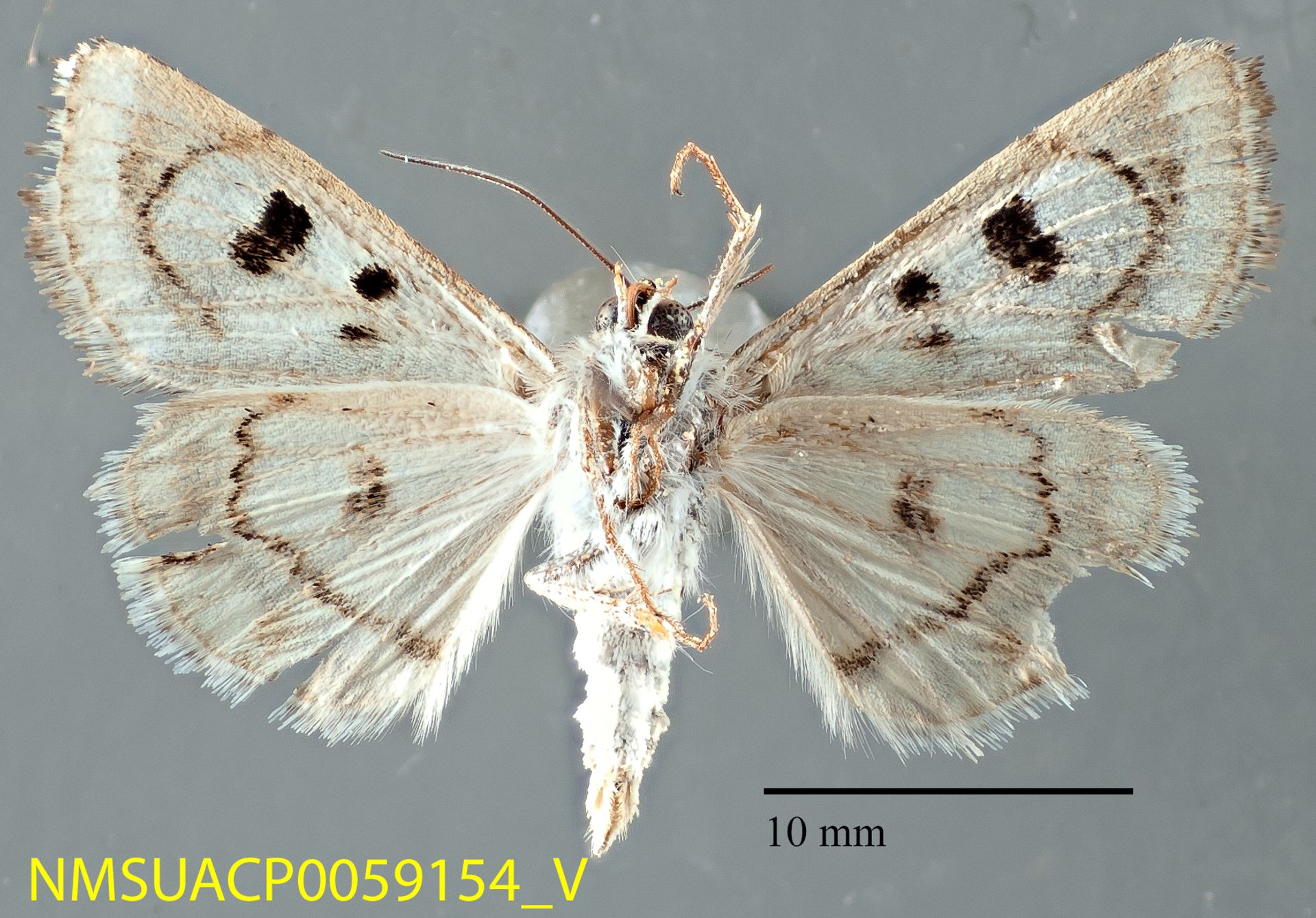
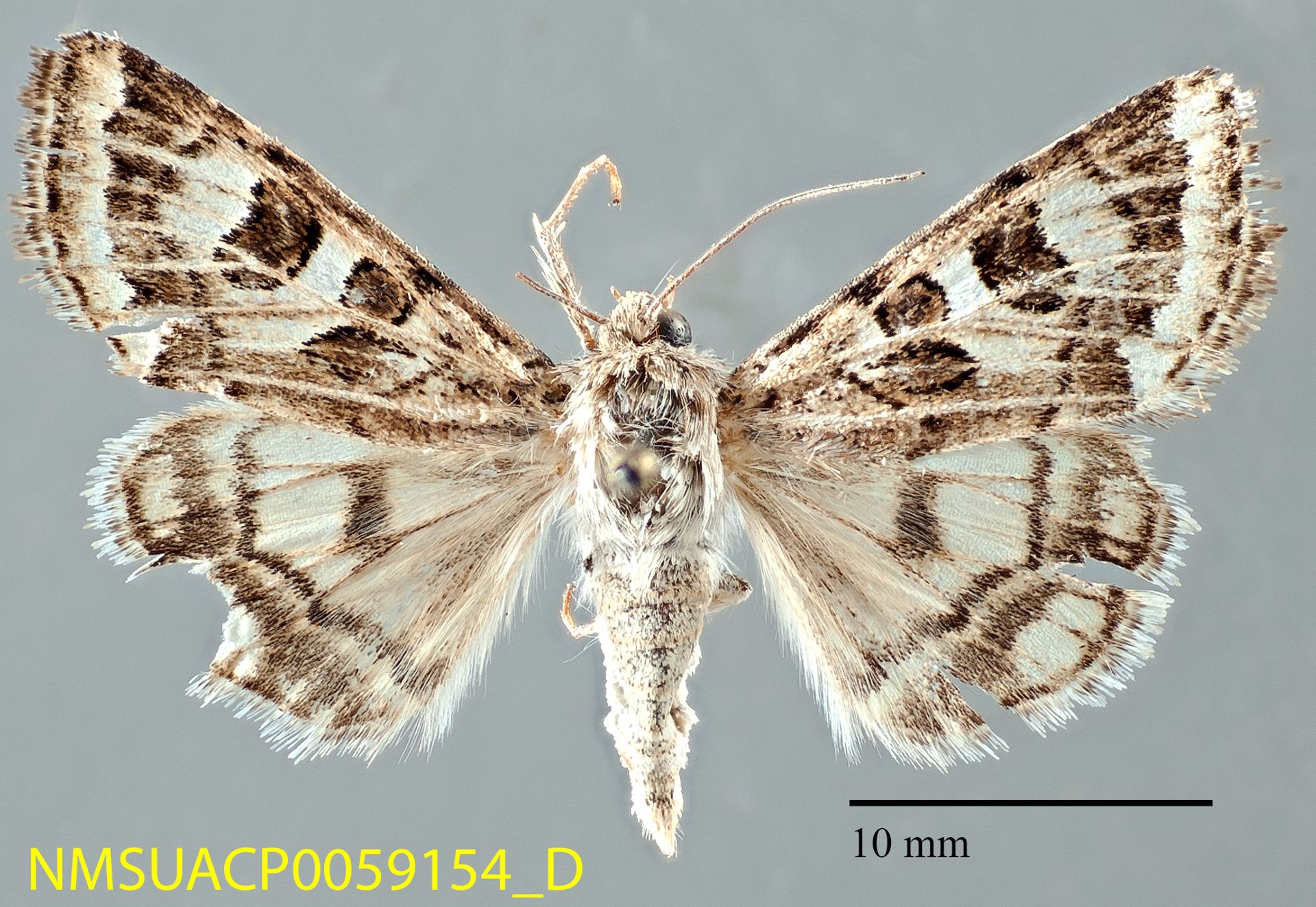
1- Protoschinia nuchalis(Spotted Clover Moth)
Protoschinia is a of noctuid established by Hardwick in 1970. The genus contains at least one , Protoschinia scutosa, which was historically treated as a synonym of Schinia nuchalis but was revalidated as a distinct species by Beck in 1996. The taxonomic status of Protoschinia remains contested, with some authors continuing to classify scutosa within Schinia. The genus is characterized by morphological features of the and associated that distinguish it from related genera.
Pronunciation
How to pronounce Protoschinia: //ˌproʊtoʊˈskɪniə//
These audio files are automatically generated. While they are not always 100% accurate, they are a good starting point.
Identification
Protoschinia can be distinguished from the related Schinia by ultramorphology. In P. scutosa, Zone 1 of the proboscis (hydrophobic region) is significantly longer than in Scotogramma trifolii, comprising over 90% of total proboscis length. Zone 2 is correspondingly shorter. chaetica are longer and wider than those of S. trifolii, while sensilla basiconica and styloconica are shorter and narrower. The proboscis coils into 4-5 turns at rest.
Images
Habitat
Agricultural areas. Specimens have been collected from agricultural demonstration bases.
Distribution
Records from Denmark, Norway, Sweden, and China (Henan Province). Described as having worldwide distribution.
Diet
Larvae feed on leaf backs of agricultural crops including Gossypium herbaceum (cotton) and Chenopodium quinoa. are potential flower visitors based on and pollen observed at proboscis tip.
Host Associations
- Gossypium herbaceum - larval
- Chenopodium quinoa - larval
Life Cycle
exhibit intermittent local and . Larvae feed on agricultural crops.
Behavior
uncoiling occurs through increased pressure of stipites forcing hemolymph into . Proboscis recoiling is supported by elasticity of galeal and contraction of oblique longitudinal intragaleal muscles. Coiling initiates at the tip and progresses toward the base. Floral pollens have been observed wrapped at the coiled proboscis tip, indicating flower visitation.
Ecological Role
Serious agricultural pest causing economic losses. Potential as evidenced by pollen collection on .
Human Relevance
Economic pest of agricultural crops. Subject of ultramorphological research on lepidopteran feeding structures.
Similar Taxa
More Details
Taxonomic Status
The was revalidated by Beck in 1996, but this classification is not universally accepted. Many authors still place scutosa in Schinia.
Research Significance
P. scutosa has been used as a model for ultramorphological study of noctuid structure using scanning electron microscopy.