
Eutricopis nexilis
Morrison, 1875
White-spotted Midget
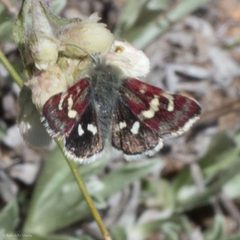
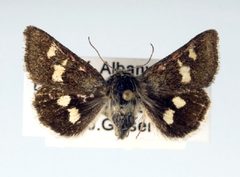
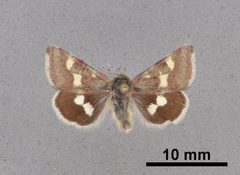
Eutricopis nexilis, commonly known as the White-spotted Midget, is a small noctuid with a wingspan of 18–20 mm. are active from May to July across a broad North American range spanning from the Atlantic coast to the Pacific. The was first described by Herbert Knowles Morrison in 1875. Larvae have been documented feeding on Antennaria species.
Pronunciation
How to pronounce Eutricopis nexilis: //juːtrɪˈkoʊpɪs ˈnɛksɪlɪs//
These audio files are automatically generated. While they are not always 100% accurate, they are a good starting point.
Identification
The combination of small size (18–20 mm wingspan), period (May–July), and geographic range across southern Canada and mountainous western North America may help distinguish this from similar small noctuids. The refers to white spots, though specific diagnostic markings require examination of specimens.
Images
Appearance
Small with wingspan 18–20 mm. Specific coloration and pattern details beyond the reference to white spots are not documented in available sources.
Habitat
Found in diverse environments across its broad range, including eastern deciduous forests, southern Canadian prairie and parkland regions, and montane in the western mountains to California and Colorado.
Distribution
North America: Nova Scotia and New England west across southern Canada (including Alberta, Manitoba, Saskatchewan) to southern Vancouver Island, north to Yukon, and south in the mountains to California and Colorado.
Seasonality
on wing from May to July.
Diet
Larvae feed on Antennaria (pussytoes). diet not documented.
Host Associations
- Antennaria - larval plantLarvae feed on Antennaria
Similar Taxa
- Other small Noctuidae (Heliothinae)Similar size and general appearance; precise identification requires examination of genitalia or other subtle characters
More Details
Taxonomic History
First described by Herbert Knowles Morrison in 1875. Hodges number: 11062.