
Cydosia nobilitella
Cramer, 1779
curve-lined cydosia moth, regal cydosia moth
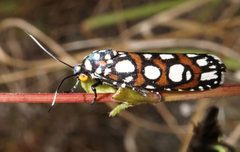
Cydosia nobilitella is a small noctuid with a broad Neotropical distribution extending from the southern United States through Central and South America. The exhibits distinctive wing patterning referenced in its . Larvae have been documented feeding on Spigelia anthelmia, a plant in the Loganiaceae .
Pronunciation
How to pronounce Cydosia nobilitella: /sɪˈdoʊsiə ˌnɒbɪlɪˈtɛlə/
These audio files are automatically generated. While they are not always 100% accurate, they are a good starting point.
Identification
The combination of small size (20–25 mm wingspan), curved linear forewing markings, and Neotropical distribution distinguishes this from related North American noctuids. The specific wing pattern separates it from in the Cydosia.
Images
Appearance
Small with wingspan of 20–25 mm. Forewings display curved linear markings that give rise to the 'curve-lined cydosia'. Coloration and detailed patterning consistent with Acontiinae characteristics.
Distribution
Southern Florida south through Central America to Argentina. Present in the Antilles. Records from Brazilian states of Alagoas, Bahia, and Minas Gerais.
Diet
Larvae feed on Spigelia anthelmia (Loganiaceae). feeding habits not documented.
Host Associations
- Spigelia anthelmia - larval plantOnly documented ; feeding records from larvae
Similar Taxa
- Other Cydosia speciesSimilar size and general ; distinguished by specific forewing pattern elements and geographic range overlap
More Details
Taxonomic placement
Originally described by Pieter Cramer in 1779. Currently classified in Acontiinae within Noctuidae.
Observation frequency
Documented in 505 iNaturalist observations as of source date, indicating moderate detectability within its range.