
Balsinae
Genus Guides
1Balsinae is a of within the Noctuidae. The group includes the Balsa, which contains with distinctive morphological characteristics. Members are part of the diverse owlet moth fauna, though specific ecological and biological details remain limited in published literature.
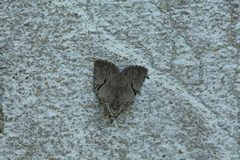
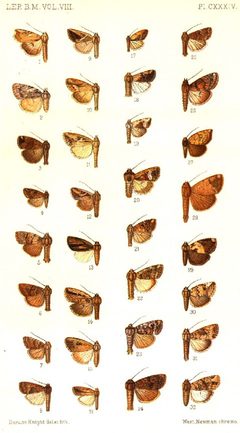
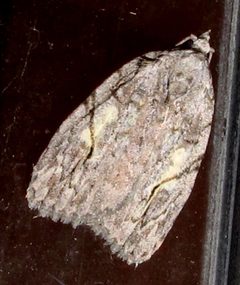
Pronunciation
How to pronounce Balsinae: /bælˈsɪniː/
These audio files are automatically generated. While they are not always 100% accurate, they are a good starting point.
Identification
Identification of Balsinae requires examination of genitalia and wing venation patterns. The is distinguished from other Noctuidae subfamilies by specific structural features of the male genitalia, particularly the arrangement of the valvae and . External alone is insufficient for reliable subfamily-level identification.
Images
Distribution
The has been documented in North and South America, with the Balsa occurring primarily in the Neotropical region. Specific range boundaries for the subfamily as a whole remain undefined due to limited taxonomic study.
Similar Taxa
- Other Noctuidae subfamiliesBalsinae can be distinguished by genitalic characters, particularly the structure of the male valvae and , which differ from the configuration found in such as Noctuinae and Hadeninae.