
Eudryas
Boisduval, 1836
Species Guides
3- Eudryas brevipennis
- Eudryas grata(Beautiful Wood-nymph)
- Eudryas unio(Pearly Wood-nymph)
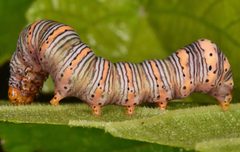
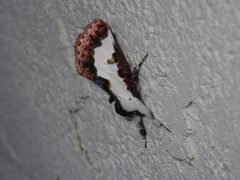
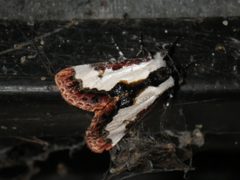
Eudryas is a of in the Noctuidae, Agaristinae, established by Boisduval in 1836. The genus contains three recognized , including the well-known beautiful wood nymph (Eudryas grata) and pearly wood nymph (Eudryas unio). These moths are characterized by their distinctive wing patterns and are found in North America.
Pronunciation
How to pronounce Eudryas: /juːˈdraɪ.əs/
These audio files are automatically generated. While they are not always 100% accurate, they are a good starting point.
Identification
Members of this can be distinguished by their striking wing patterns, which often feature bold contrasting colors including white, black, and yellow or greenish markings. The forewings typically display intricate patterns that can resemble bird droppings or lichen, serving as camouflage. Eudryas grata and E. unio are particularly noted for their greenish-yellow hindwings with black bands. have a robust body typical of noctuids but with more vivid coloration than many related genera.
Images
Distribution
North America. The occurs primarily in eastern and central regions of the United States and Canada, with individual showing somewhat different ranges.
Seasonality
are active primarily during summer months, with periods varying by and latitude. Most observations occur from June through August.
Similar Taxa
- Other Agaristinae generaShare similar robust body form and some have bold color patterns, but Eudryas are distinguished by their specific wing pattern combinations and North American distribution.
- LithophaneSome have similar cryptic forewing patterns, but Lithophane species lack the bright hindwing colors characteristic of Eudryas and tend to have more subdued overall coloration.
More Details
Species
The includes three : Eudryas brevipennis Stretch, 1872; Eudryas grata (Fabricius, 1793), commonly known as the beautiful wood nymph; and Eudryas unio (Hübner, [1831]), known as the pearly wood nymph.