Cerma cerintha
Treitschke, 1826
Tufted Bird-dropping Moth
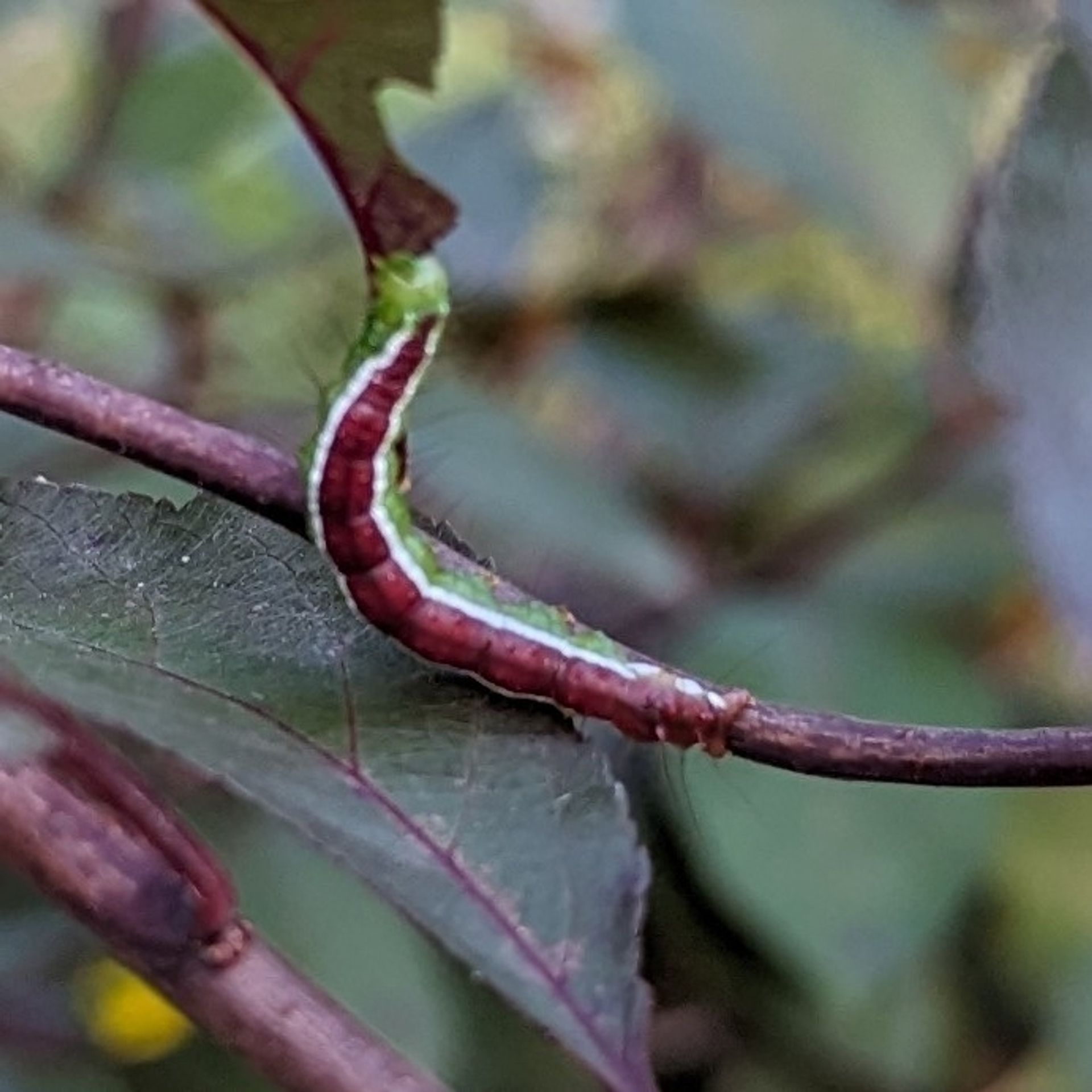
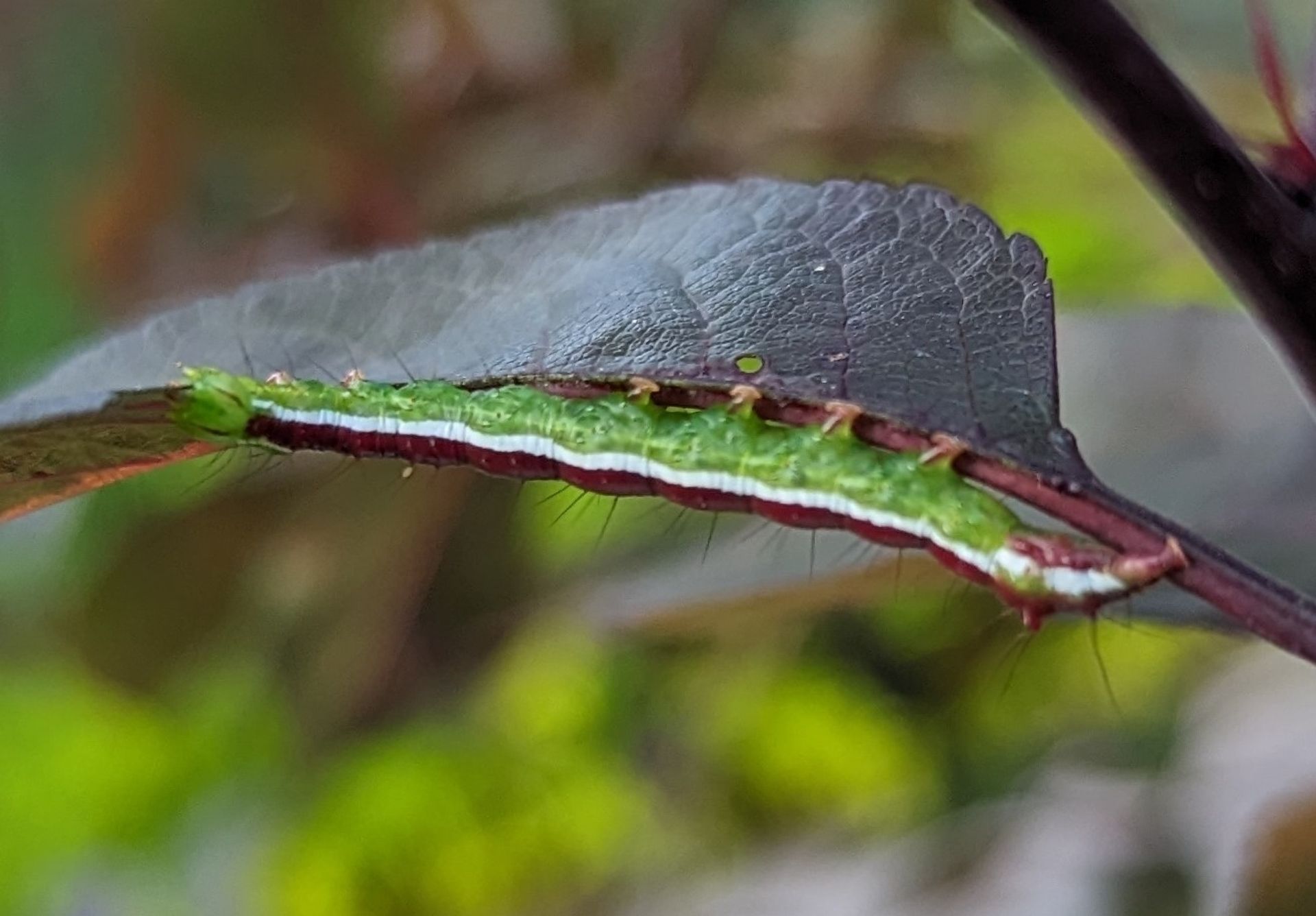
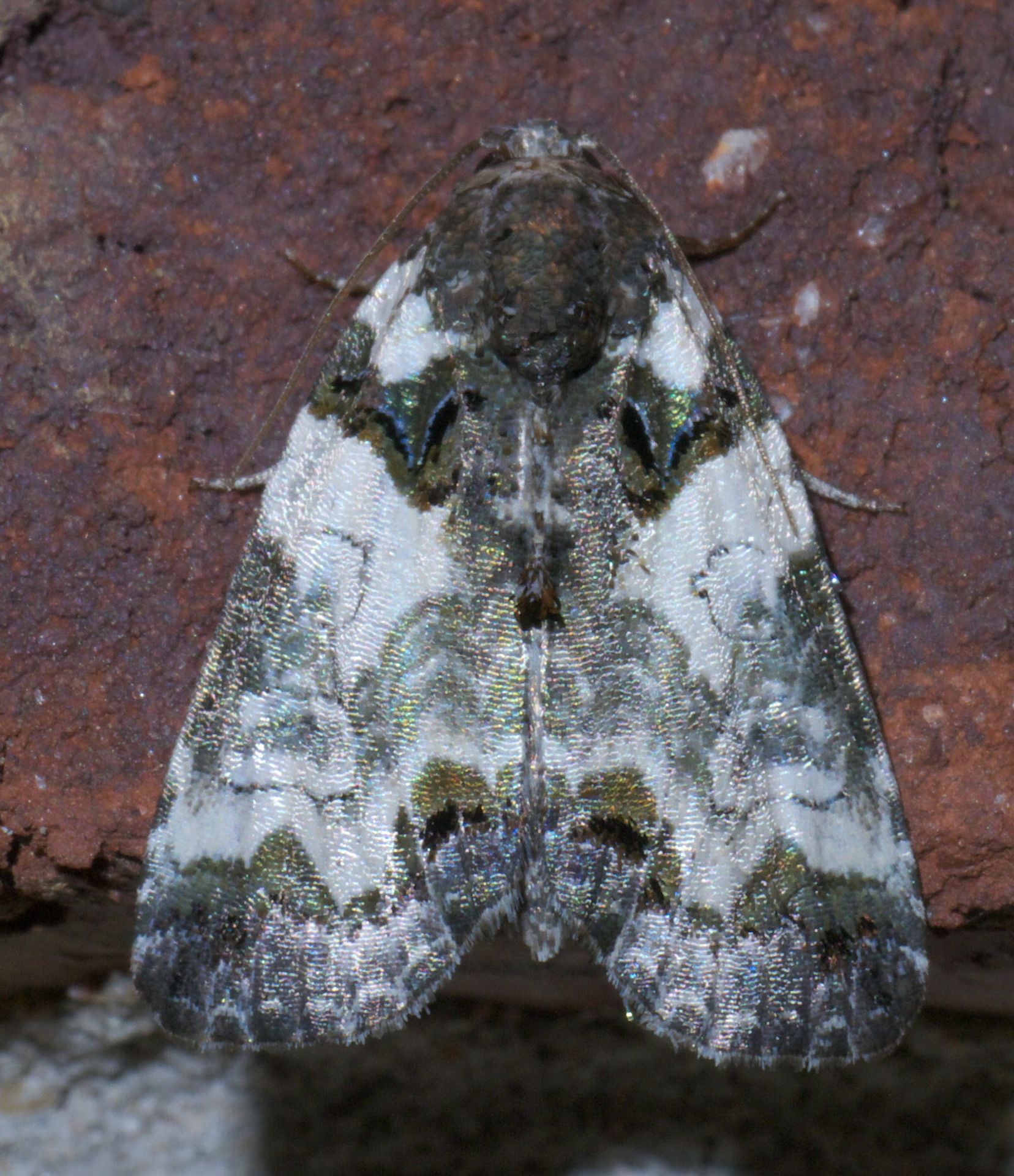
Cerma cerintha, known as the tufted bird-dropping , is a noctuid moth described by Georg Friedrich Treitschke in 1826. The species is found in North America and is assigned MONA/Hodges number 9062. It belongs to the Acronictinae within the owlet moth Noctuidae. The references its resemblance to bird droppings, a form of protective mimicry.
Pronunciation
How to pronounce Cerma cerintha: /ˈsɛr.mə sɛˈrɪn.θə/
These audio files are automatically generated. While they are not always 100% accurate, they are a good starting point.
Identification
The thoracic tuft distinguishes Cerma cerintha from similar bird-dropping mimic in Noctuidae. The specific pattern of dark forewing markings, combined with the overall mottled gray-white ground color, separates it from and other acontiine/acronictine with similar . Dissection of genitalia may be required for definitive identification from closely related species.
Images
Appearance
exhibit cryptic coloration resembling bird droppings, with mottled gray, white, and black patterning. The forewings display irregular dark markings against a pale background. A distinctive tuft of is present on the , giving the its . The overall appearance serves as camouflage against .
Distribution
North America; recorded from the United States including Vermont.
Similar Taxa
- Other Cerma species share bird-dropping mimicry but differ in specific wing pattern and thoracic tuft presence or structure
- Acontia and Tarache speciesRelated noctuids with similar bird-dropping ; distinguished by wing venation and genitalia
More Details
Taxonomic History
Originally described as Acontia cerintha; later transferred to Cerma. The is classified in Acronictinae (formerly treated within Acontiinae by some authors).
Collection Reference
Assigned MONA ( of North America) or Hodges number 9062, the standard catalog number for North American Lepidoptera.