
Acronicta hamamelis
Guenée, 1852
witch hazel dagger moth, puzzling dagger moth
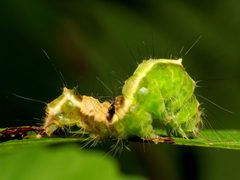
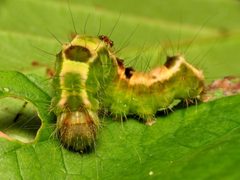
Acronicta hamamelis is a noctuid first described by Achille Guenée in 1852. The is closely associated with witch-hazel (Hamamelis), which serves as the larval plant. It occurs in eastern North America, with records from Canada and the northeastern and mid-Atlantic United States. The "puzzling dagger moth" reflects historical identification challenges.
Pronunciation
How to pronounce Acronicta hamamelis: /ˌækrəˈnɪktə ˌhæməˈmiːlɪs/
These audio files are automatically generated. While they are not always 100% accurate, they are a good starting point.
Identification
Distinguished from other Acronicta by association with witch-hazel plants. Specific diagnostic morphological features for field identification are not documented in available sources. Genital dissection may be required for definitive identification from similar dagger species.
Images
Habitat
Associated with areas supporting witch-hazel (Hamamelis virginiana and H. vernalis), including deciduous woodlands, stream corridors, and rocky creek beds in the Ozark Highlands and eastern North American forests.
Distribution
Canada: Nova Scotia, Quebec, Ontario. United States: Maryland, Vermont, and presumably other parts of the eastern and midwestern United States where witch-hazel occurs.
Diet
Larvae feed exclusively on witch-hazel (Hamamelis spp.). feeding habits are not documented.
Host Associations
- Hamamelis virginiana - larval eastern witch hazel
- Hamamelis vernalis - larval Ozark witch hazel
Ecological Role
Herbivore specializing on witch-hazel; contributes to nutrient cycling in forest understory . Potential prey for insectivorous birds, bats, and other .
Human Relevance
No significant documented economic or cultural impact. Of interest to lepidopterists and naturalists due to its specialized association.
Similar Taxa
- Other Acronicta speciesMany dagger moths share similar ; A. hamamelis distinguished primarily by larval plant association and may require genital dissection for definitive identification.
More Details
Nomenclature
The "puzzling dagger " appears in some sources alongside "witch hazel dagger moth," suggesting historical taxonomic uncertainty or difficulty in identification.