Leucoma

Leucoma

Classification

Pronunciation

How to pronounce Leucoma: //luːˈkoʊmə//

These audio files are automatically generated. While they are not always 100% accurate, they are a good starting point.

Images

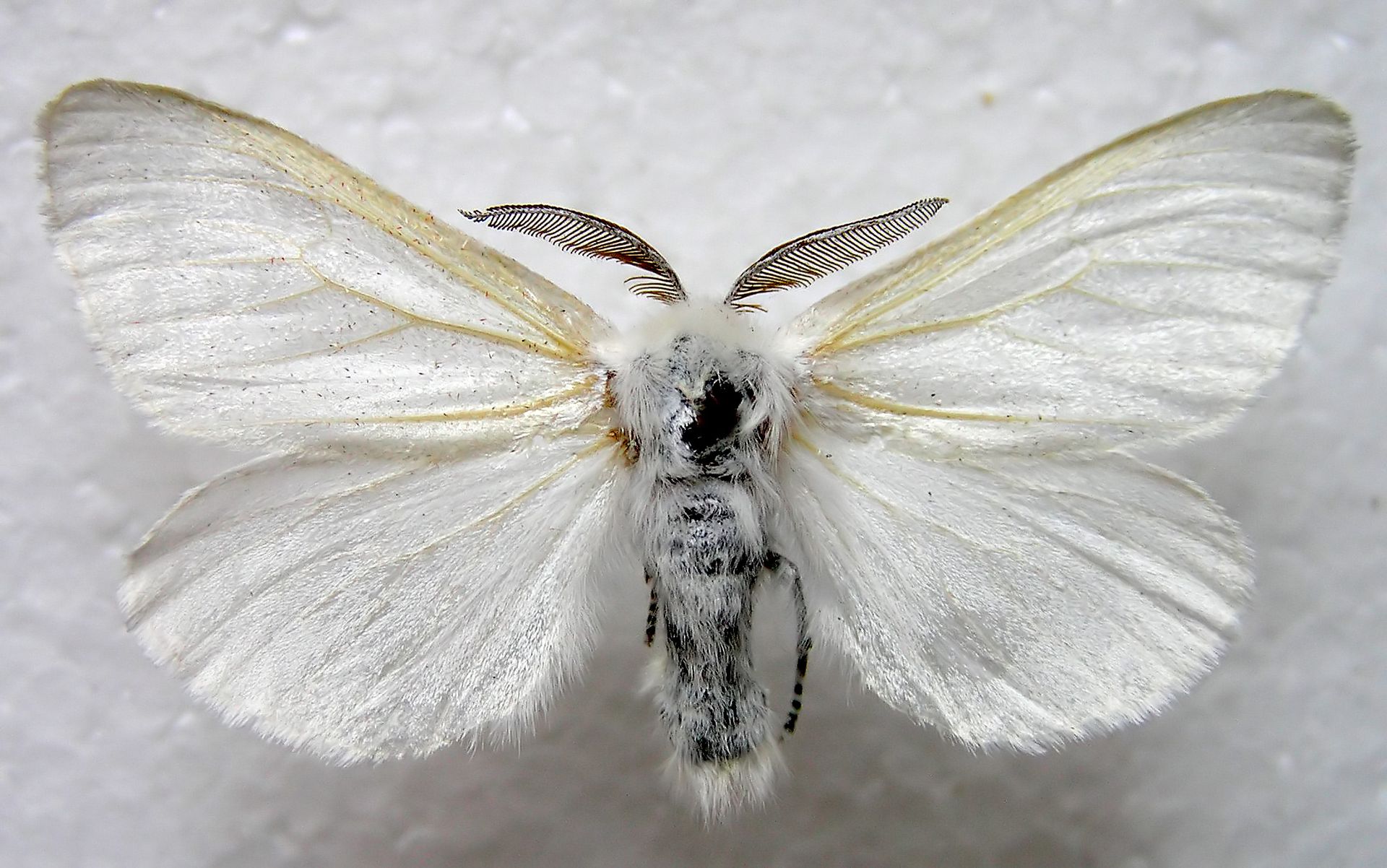
Leucoma salicis male zsl bialowieza collection 1 beentree by wikipedia. Used under a CC BY-SA 3.0 license.
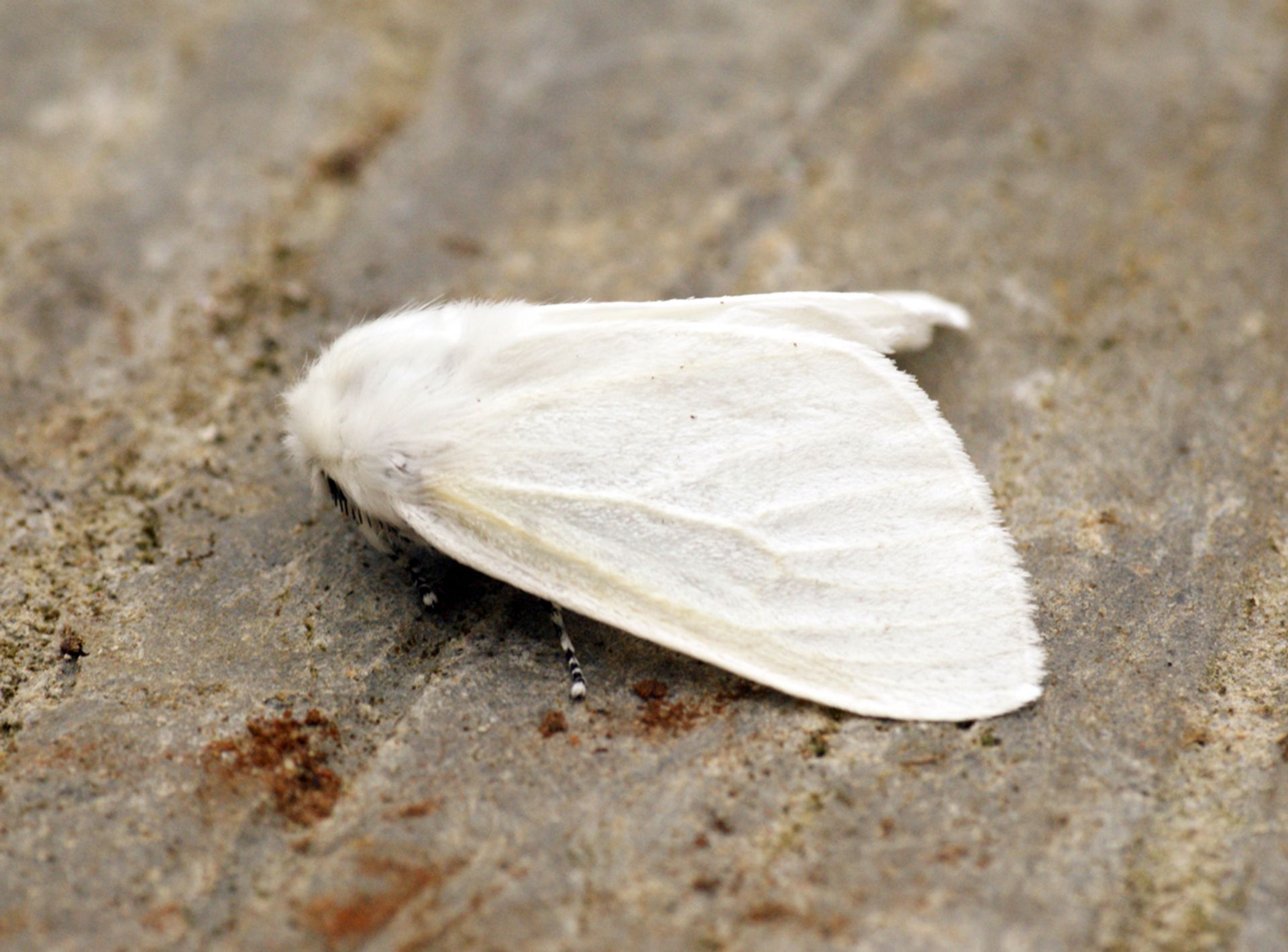
Leucoma salicis (7602026272) by Ben Sale from UK. Used under a CC BY 2.0 license.
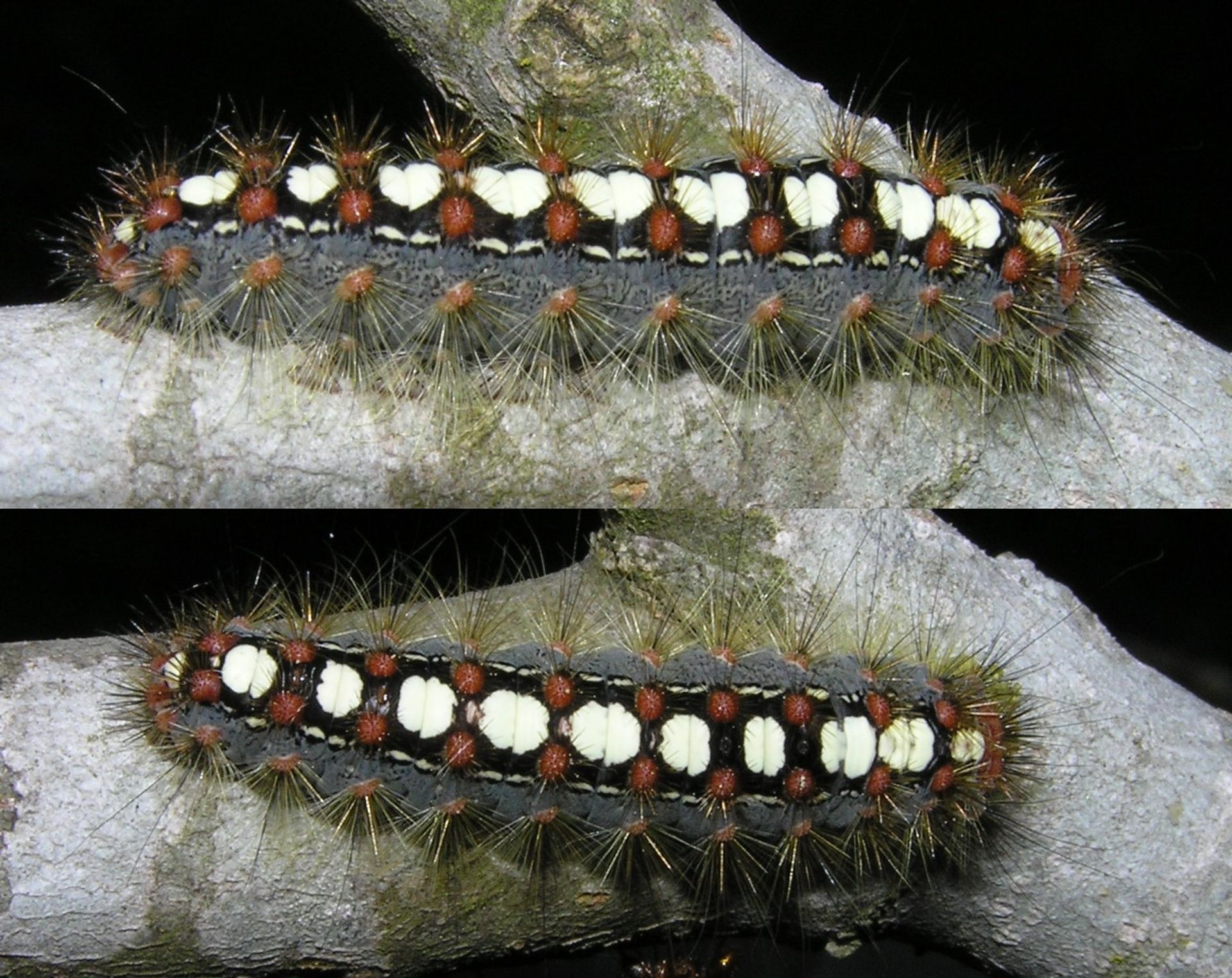
Leucoma salicis larva beentree by wikipedia. Used under a CC BY-SA 3.0 license.
Stilpnotia salicis tentacles 2 beentree by wikipedia. Used under a CC BY-SA 3.0 license.
Leucoma salicis (18043672774) by Peter O'Connor aka anemoneprojectors from Stevenage, United Kingdom. Used under a CC BY-SA 2.0 license.
Leucoma salicis (5866787809) by Ben Sale from UK. Used under a CC BY 2.0 license.

Summary

Leucoma salicis, commonly known as the white satin moth or satin moth, is a moth belonging to the Erebidae family. It can be found across various regions in Europe and Asia, and has been introduced to North America. Known for its distinctive white wings and population fluctuations, it plays a vital role in its ecosystem as a larval feeder on specific trees.

Physical Characteristics

Wingspan is 37–50 mm. White wings, sometimes with ochreous tones, or blackish costal margin in males; head and collar dark. Tibiae and tarsi have broad black rings.

Identification Tips

Look for the creamy white wings with variable coloration; males may have dark costal margins; distinct black rings on legs and specific genitalia structure can help distinguish from related species.

Habitat

Found in half shady, damp locations, such as forest edges and hedges, as well as avenues, parks, and gardens where Salix and Populus species grow.

Distribution

Widespread across Europe including the British Isles (excluding the far north), and extends across the Palearctic to Japan. Introduced to North America in the 1920s.

Diet

Larvae feed on Salix and Populus species.

Life Cycle

Eggs are laid in clusters on tree trunks. Larvae mature into pupae housed in a loose cocoon between leaves, with pupae being glossy black with white spots and yellow tufts. The adults emerge during June, July, and August.

Reproduction

Eggs are clustered and covered with a paper-like substance, laid on tree trunks.

Ecosystem Role

Plays a role in the ecosystem as a consumer of certain plant species (Salix and Populus), contributing to the food web as larvae and adults.

Evolution

Part of the Erebidae family, related to various nocturnal moths, evolving to occupy diverse ecological niches.

Tags

  • Leucoma salicis
  • white satin moth
  • Erebidae
  • Lepidoptera
  • insect
  • moth