
Zanclognatha protumnusalis
Walker, 1859
conifer zanclognatha, Complex Fan-foot
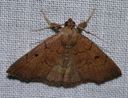
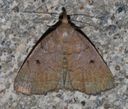
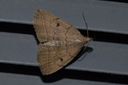
Zanclognatha protumnusalis, commonly known as the conifer zanclognatha or Complex Fan-foot, is a small litter moth in the Erebidae. First described by Francis Walker in 1859, this occurs across eastern North America from southern Canada to Florida and Texas. are active during summer months with variable patterns depending on latitude.
Pronunciation
How to pronounce Zanclognatha protumnusalis: //zæŋkloʊˈɡneɪθə proʊtʌmˈnʌsəlɪs//
These audio files are automatically generated. While they are not always 100% accurate, they are a good starting point.
Identification
Distinguished from other Zanclognatha by geographic range and ; precise identification requires examination of genitalia or detailed wing pattern analysis. The "Complex Fan-foot" reflects its membership in a species group with similar external .
Images
Appearance
Small with wingspan approximately 25 mm. As a member of the Zanclognatha, exhibits characteristic fan-like resting posture with forewings held in a tent-like arrangement over the body.
Habitat
Associated with forested environments; as a "litter moth," larvae likely inhabit leaf litter and ground debris in woodland settings.
Distribution
Eastern North America from southern Canada southward to Florida and west to Texas. Documented present in Vermont.
Seasonality
active July through September. structure varies by latitude: one generation annually in northern portions of range; partial second generation in New Jersey; two or more in southern regions.
Life Cycle
Complete with variable voltinism: in north, partially in mid-Atlantic, multivoltine in south. Specific larval relationships not documented in available sources.
Ecological Role
Contributes to decomposition dynamics as a litter-dwelling ; specific ecological functions not well documented.
Similar Taxa
- Other Zanclognatha speciesExternal similar across ; requires dissection or molecular analysis for definitive identification
More Details
Taxonomic history
Originally described as Herminia protumnusalis by Francis Walker in 1859; later transferred to Zanclognatha.