
Macrochilo hypocritalis
Ferguson, 1982
twin-dotted macrochilo, Twin-dotted Owlet
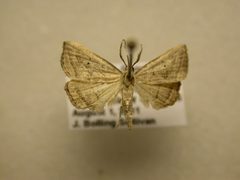
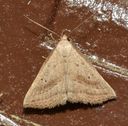
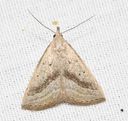
Macrochilo hypocritalis is a small in the Erebidae, first described by Douglas C. Ferguson in 1982. It occurs in eastern North American wetlands and is recognized by its diminutive size and characteristic wing markings. The is commonly known as the twin-dotted macrochilo or Twin-dotted Owlet. It is assigned MONA/Hodges number 8357.1.
Pronunciation
How to pronounce Macrochilo hypocritalis: /ˌmæ.kroʊˈkaɪ.loʊ ˌhaɪ.poʊˈkrɪ.tə.lɪs/
These audio files are automatically generated. While they are not always 100% accurate, they are a good starting point.
Identification
Distinguished from other Macrochilo by the paired dot pattern on the wings; the specific epithet 'hypocritalis' references this deceptive or mimetic appearance. Small size (18 mm wingspan) and wetland association aid identification. MONA/Hodges number 8357.1 provides a unique reference for North American identification systems.
Images
Appearance
Small with wingspan approximately 18 mm. Wing pattern includes paired dots that give rise to the . Typical herminiine moth with relatively broad, somewhat rounded forewings.
Habitat
Open, herb-dominated wetlands. Specific vegetation associations not documented.
Distribution
Eastern United States; recorded from Vermont and broader eastern North America. Distribution appears restricted to wetland regions of the eastern United States.
Ecological Role
Member of wetland ; specific ecological functions not documented.
Human Relevance
Subject of citizen science documentation through iNaturalist with 766+ observations. Used as an for wetland quality in eastern North America.
Similar Taxa
- Other Macrochilo speciesShare -level and preferences; distinguished by wing pattern details and specific dot arrangements
- Herminiinae moths in generalSimilar overall appearance and wetland associations; require genitalia examination or wing pattern analysis for definitive identification
More Details
Taxonomic history
Described relatively recently (1982) compared to many North American , suggesting it may have been historically confused with or overlooked due to small size.
Citizen science value
iNaturalist observations (766+ records) provide substantial contemporary distribution data beyond traditional museum specimen records.