
Selenisa sueroides
Guenée, 1852
pale-edged selenisa, legume caterpillar
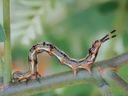
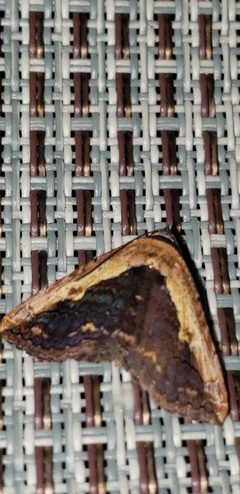
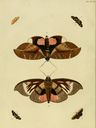
Selenisa sueroides is a noctuid in the Erebidae, first described by Guenée in 1852. The is known from North America, with notable in Florida. Larvae have been documented causing damage to agricultural irrigation infrastructure by chewing through plastic microtubing. The species serves as to multiple species.
Pronunciation
How to pronounce Selenisa sueroides: /sɛˈlɛnɪsa swɛˈroʊaɪdz/
These audio files are automatically generated. While they are not always 100% accurate, they are a good starting point.
Images
Distribution
North America; specifically documented in south Florida citrus groves.
Life Cycle
Larvae pupate inside damaged irrigation tubing after chewing entry holes.
Behavior
Larvae have been observed chewing holes in plastic microtubing used for crop irrigation, preferentially targeting black tubing over colored alternatives. This has been documented in south Florida citrus groves, where larvae use the tubing as sites.
Ecological Role
stages serve as to multiple .
Human Relevance
Larvae damage commercial agricultural infrastructure, specifically plastic irrigation tubing in citrus operations. The 'legume caterpillar' suggests potential association with legume crops, though this relationship is not explicitly documented in available sources.