
Matigramma emmilta
Franclemont, 1986
Matigramma emmilta is a in the Erebidae, described by John G. Franclemont in 1986. It is restricted to the southwestern United States, occurring in mountain canyons and desert . have a forewing length of 16–19 mm and are active nearly year-round, with records from February through October. The larvae feed on species of Chrysothamnus, a of desert shrubs.
Pronunciation
How to pronounce Matigramma emmilta: /ˌmætɪˈɡræmə ɛmˈmɪltə/
These audio files are automatically generated. While they are not always 100% accurate, they are a good starting point.
Identification
The can be distinguished from related Matigramma species by geographic restriction to Arizona, New Mexico, and Texas combined with activity spanning February through October. Forewing length of 16–19 mm provides a size reference. Specific diagnostic morphological features separating it from are not documented.
Images
Appearance
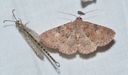
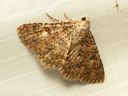
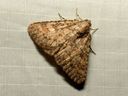
have forewing lengths of 16–19 mm. Specific wing pattern details are not documented in available sources.
Habitat
Mountain canyons and desert environments in the southwestern United States.
Distribution
Recorded from Arizona, New Mexico, and Texas in North America.
Seasonality
are on wing from February to October, indicating a prolonged or multivoltine adult activity period.
Diet
Larvae feed on Chrysothamnus .
Host Associations
- Chrysothamnus - larval food plant of desert shrubs in the Asteraceae
Similar Taxa
- Other Matigramma species share general and preferences; M. emmilta is distinguished by its specific southwestern U.S. distribution and documented .
More Details
Taxonomic history
Described by John G. Franclemont in 1986. The specific epithet 'emmilta' etymology is not documented in available sources.
Research status
186 observations recorded on iNaturalist as of source date, indicating moderate citizen science documentation but limited formal ecological study.