Catocala insolabilis
Guenée, 1852
Inconsolable Underwing
Catocala insolabilis, commonly known as the inconsolable underwing, is a in the Erebidae. The was described by Achille Guenée in 1852. It is characterized by the typical underwing : cryptic forewings that conceal brightly colored hindwings when at rest. are active from June to August with one per year.
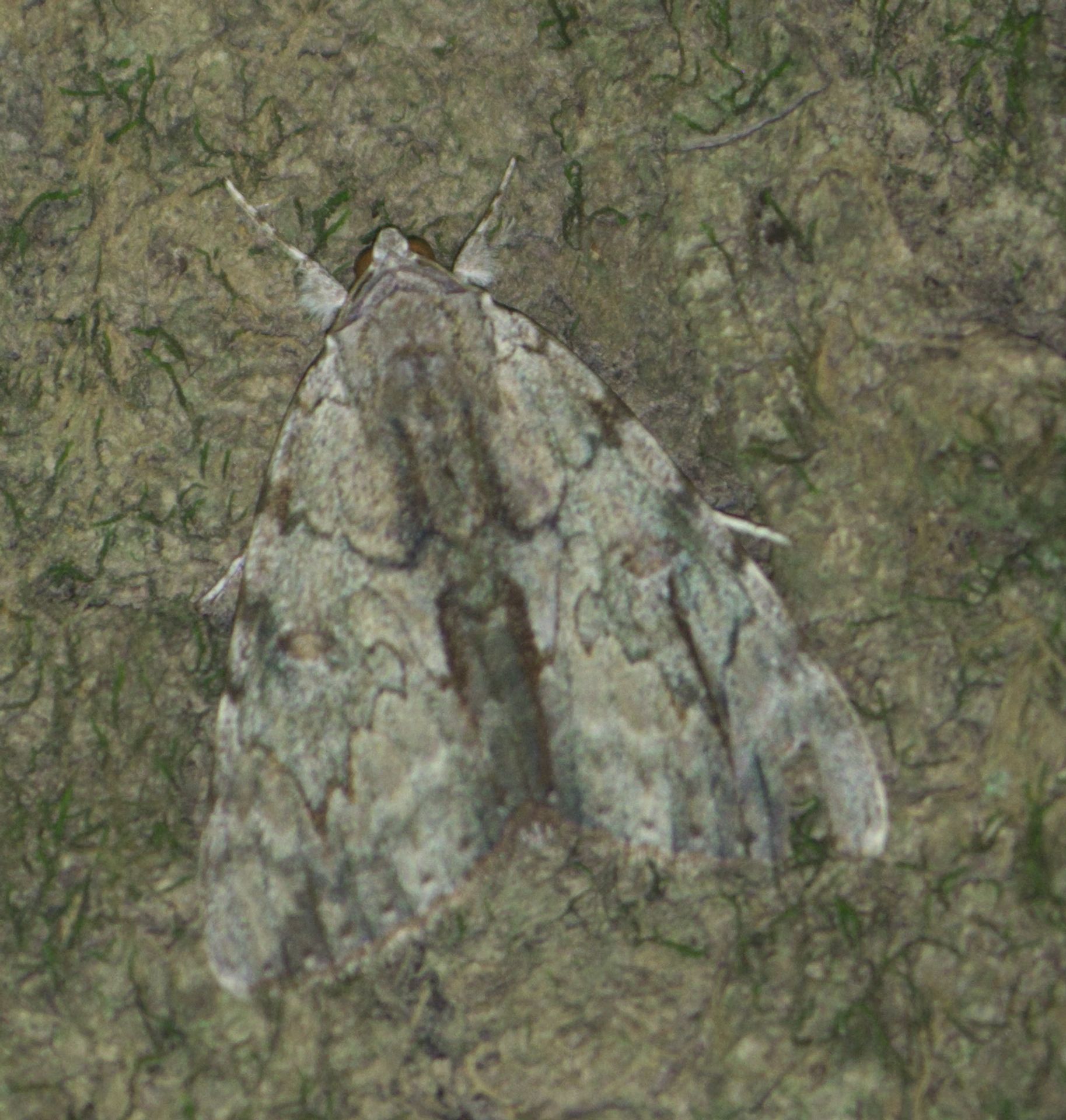
![Catocala insolabilis ENT19175 Ven (cropped) by MPM [Kathryn Sullivan]. Used under a CC0 license.](https://bugswithmike.nyc3.digitaloceanspaces.com/wikipedia/arthropoda/hexapoda/insecta/lepidoptera/noctuoidea/erebidae/erebinae/catocalini/catocala/insolabilis/Catocala_insolabilis_ENT19175_Ven_%28cropped%29.jpg)
![Catocala insolabilis ENT19175 Dor (cropped) by MPM [Kathryn Sullivan]. Used under a CC0 license.](https://bugswithmike.nyc3.digitaloceanspaces.com/wikipedia/arthropoda/hexapoda/insecta/lepidoptera/noctuoidea/erebidae/erebinae/catocalini/catocala/insolabilis/Catocala_insolabilis_ENT19175_Dor_%28cropped%29.jpg)
Pronunciation
How to pronounce Catocala insolabilis: //ˌkætəˈkeɪlə ˌɪnsəˈlæbɪlɪs//
These audio files are automatically generated. While they are not always 100% accurate, they are a good starting point.
Identification
Distinguished from other Catocala by geographic range and . The specific forewing and hindwing patterns separate it from sympatric underwings, though precise diagnostic characters require examination of specimens. As with many Catocala species, identification from photographs alone can be challenging due to individual variation and overlap in appearance with related species.
Images
Appearance
Wingspan 65–75 mm. Forewings are dull-colored, serving as camouflage when the is at rest. Hindwings are brightly colored with bold patterns—typical of the Catocala, though specific coloration for this is not detailed in available sources. The forewings are normally held together over the back at rest, completely hiding the hindwings beneath.
Habitat
Associated with forests and woodlands containing hickory (Carya) , the larval plant. Specific details beyond host plant requirements are not documented.
Distribution
Eastern and central North America: from Ontario through Maine and Connecticut south to Florida, west through Arkansas to Texas and Oklahoma, and north to South Dakota.
Seasonality
are on wing from June to August depending on location. One per year ().
Diet
Larvae feed exclusively on Carya (hickories). feeding habits are not documented.
Host Associations
- Carya - larval Larvae feed on Carya
Life Cycle
One per year. Larval stage feeds on Carya . and details are not documented in available sources.
Behavior
are and attracted to light, though underwing moths typically remain on the periphery of lighted areas rather than landing directly on sheets. When disturbed, adults flash their brightly colored hindwings as a startle defense before taking .
Ecological Role
Larval stage functions as a folivore on hickory trees. likely serve as prey for including bats and birds. Specific ecological impacts or roles are not documented.
Human Relevance
Subject of interest among lepidopterists and enthusiasts. Participates in National Moth Week events as a representative of the charismatic underwing moth group. No documented economic or agricultural significance.
Similar Taxa
- Other Catocala speciesShare the underwing with cryptic forewings and colorful hindwings. Distinguished by specific wing patterns, geographic range, and .
More Details
Taxonomic history
Originally described by Achille Guenée in 1852. The name Catocala is derived from Greek meaning 'beautiful below,' referring to the striking hindwings concealed beneath dull forewings.
Sources and further reading
- BugGuide
- Wikipedia
- GBIF taxonomy match
- iNaturalist taxon
- NCBI Taxonomy
- Catalogue of Life
- A Gathering of Lepidopterists: Who's Who of the Butterfly, Moth Experts | Bug Squad
- Got Moths? Celebrate National Moth Week and Global Citizen Science
- Bug Eric: National Moth Week Recap, 2015
- Bug Eric: National Moth Week Recap for Colorado Springs
- Bug Eric: National Moth Week 2024 Recap from Kansas City
- Bug Eric: New Mexico Night Bugs