
Hyperstrotia
Hampson, 1910
Graylet Moths
Species Guides
6- Hyperstrotia aetheria
- Hyperstrotia flaviguttata(Yellow-spotted Graylet)
- Hyperstrotia nana(white-lined graylet)
- Hyperstrotia pervertens(Dotted Graylet)
- Hyperstrotia secta(Black-patched Graylet)
- Hyperstrotia villificans
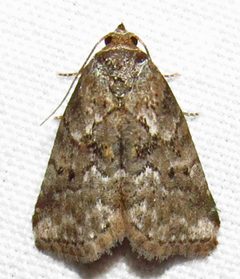
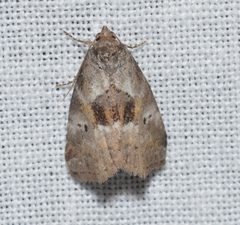
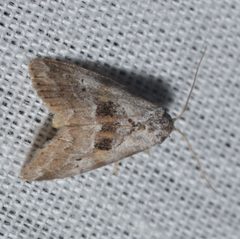
Hyperstrotia is a of in the Erebidae, commonly known as graylet moths. The genus was established by George Hampson in 1910 and includes approximately 16 described . These moths were historically classified in the Acontiinae of Noctuidae before taxonomic revisions placed them in Erebidae.
Pronunciation
How to pronounce Hyperstrotia: //ˌhaɪpərˈstroʊtiə//
These audio files are automatically generated. While they are not always 100% accurate, they are a good starting point.
Identification
-level identification requires examination of genitalia or detailed wing pattern analysis. of several species reference distinctive markings: yellow-spotted graylet (H. flaviguttata), dotted graylet moth (H. pervertens), black-patched graylet moth (H. secta), and white-lined graylet moth (H. villificans).
Images
Distribution
Records indicate presence in North America, including the United States (Vermont) and potentially other regions. The includes described from various localities suggesting broader distribution, but specific range boundaries for the genus as a whole are not well documented.
Similar Taxa
- AcontiaHistorically classified in the same Acontiinae; both share similar size and general , requiring genitalic examination for separation.
- OzamiaAnother in the tribe Phytometrini with similar wing patterns and body form.
More Details
Taxonomic History
Hyperstrotia has undergone significant taxonomic reclassification. It was originally placed in Acontiinae within Noctuidae, then in Phytometrinae within Erebidae, and is now placed in Boletobiinae (tribe Phytometrini) according to Catalogue of Life. NCBI retains the older classification in Noctuidae.