
Agylla
Walker, 1854
Species Guides
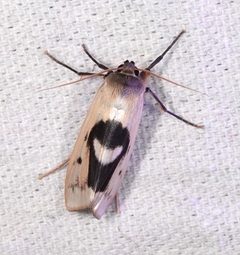
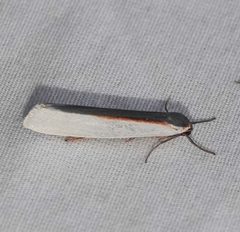
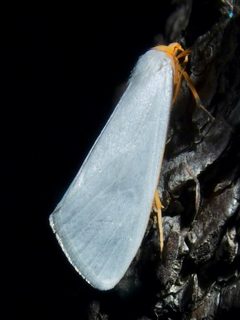
1Agylla is a of in the Arctiinae, Erebidae, established by Francis Walker in 1854. These moths belong to the tribe Lithosiini, commonly known as footman moths. The genus contains numerous distributed across various regions. Agylla moths are part of a diverse group of tiger moths and their relatives.
Pronunciation
How to pronounce Agylla: /ˈæɡɪlə/
These audio files are automatically generated. While they are not always 100% accurate, they are a good starting point.
Identification
Agylla can be distinguished from other Lithosiini by genitalic characters, particularly male claspers and female signa. The forewings are generally elongate with relatively simple venation. Many species exhibit plain or subtly patterned wings in white, gray, or pale yellow tones. Accurate identification to species level usually requires examination of genitalia or molecular analysis.
Images
Distribution
of Agylla occur across the Americas, Africa, Asia, and Australasia. The shows a broad tropical and subtropical distribution with some extensions into temperate regions. Specific distribution patterns vary considerably among constituent species.
Similar Taxa
- LithosiaBoth belong to tribe Lithosiini and share similar overall body form and wing shape; Agylla generally has more elongate forewings and distinct genitalic structures
- EilemaAnother large Lithosiini with plain-colored ; Eilema often has shorter, broader wings and different male genitalia
More Details
Taxonomic History
Agylla was long classified in , but modern molecular places it in Erebidae, Arctiinae, following the reclassification of tiger moths and relatives. The has undergone numerous revisions, with many transferred to or from related genera.
Species Diversity
The contains approximately 100 described , though this number fluctuates with ongoing taxonomic revisions. Many species remain poorly known and are represented by few specimens in collections.