
Eudesmia arida
(Skinner, 1906)
Arid Eudesmia Moth
Pronunciation
How to pronounce Eudesmia arida: /juːˈdɛz.mi.ə əˈraɪ.də/
These audio files are automatically generated. While they are not always 100% accurate, they are a good starting point.
Identification
Distinguished from by geographic range and period; precise diagnostic characters require examination of genitalia or other subtle morphological features not detailed in general sources.
Images
Appearance
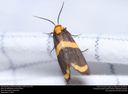
Wingspan 23–30 mm. Specific coloration and pattern details not documented in available sources.
Habitat
Arid and semi-arid regions of the southwestern United States and adjacent Mexico; specific microhabitat preferences not documented.
Distribution
United States (Arizona to Texas) and Mexico. Records indicate presence across the Chihuahuan and Sonoran desert regions.
Seasonality
recorded on wing from June to October, with peak activity during summer months.
Diet
Larvae feed on lichens.
Life Cycle
Complete with , larva, pupa, and stages. Larval stage feeds on lichens; other developmental details not documented.
Behavior
are and attracted to light. Specific behavioral observations beyond period are not documented.
Ecological Role
Larvae contribute to lichen consumption and nutrient cycling in arid ; may serve as prey for .
Human Relevance
No significant documented interactions; occasionally recorded in biodiversity surveys and collections.
Similar Taxa
- Eudesmia species in the Eudesmia share similar size range and general ; precise identification requires expert examination.
- Other LithosiiniMembers of the tribe Lithosiini (lichen moths) often resemble small, drab Erebidae with similar ecological associations.
More Details
Taxonomic History
Originally described as Ruscino arida by Skinner in 1906, later transferred to the Eudesmia. The basionym Ruscino arida is now considered a synonym.