
Cisthene faustinula
(Boisduval, 1869)
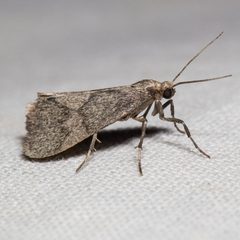
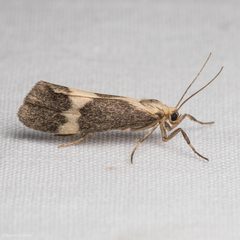
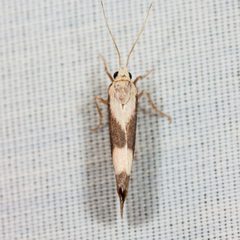
Cisthene faustinula is a small tiger moth in the Erebidae, first described by Boisduval in 1869. It is to California, where are active from July to September. The has a forewing length of 9–11 mm. As a member of the tiger moth Arctiinae, it may possess acoustic aposematism capabilities similar to , though this has not been directly documented for this species.
Pronunciation
How to pronounce Cisthene faustinula: //sɪsˈθiː.ni fəˈstɪ.njuː.lə//
These audio files are automatically generated. While they are not always 100% accurate, they are a good starting point.
Identification
Distinguished from other Cisthene by geographic restriction to California and specific period (July–September). Forewing length of 9–11 mm provides a measurable reference point. Precise identification requires examination of genitalia or detailed wing pattern analysis not available in general sources.
Images
Appearance
Small with forewings measuring 9–11 mm in length. Specific coloration and pattern details are not documented in available sources.
Distribution
to California, United States. No specific associations documented.
Seasonality
active from July to September. No data on larval activity periods.
Ecological Role
As a member of the tiger moth Arctiinae, may participate in acoustic aposematism to deter bat , as documented in Cisthene martini. This potential function has not been directly observed in C. faustinula.
Similar Taxa
- Cisthene martini with documented acoustic aposematism ; similar size and but differs in distribution and possibly in defensive sound production capabilities
- Other Cisthene speciesMorphologically similar tiger moths requiring detailed examination for separation; C. faustinula distinguished by California and specific season
More Details
Taxonomic history
Originally described as Lithosia faustinula by Boisduval in 1869, later transferred to Cisthene.
Research context
While acoustic aposematism has been demonstrated in Cisthene martini, no direct studies have confirmed this in C. faustinula. The ' small size and limited distribution may have contributed to reduced research attention.