
Pygarctia
Grote, 1871
tiger moths
Species Guides
8- Pygarctia abdominalis(Yellow-edged Pygarctia)
- Pygarctia flavidorsalis
- Pygarctia lorula
- Pygarctia murina(Mouse-colored Euchaetes)
- Pygarctia neomexicana
- Pygarctia pterygostigma
- Pygarctia roseicapitis(Red-headed Pygarctia Moth)
- Pygarctia spraguei(Sprague's pygarctia)
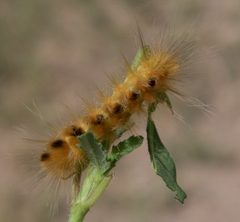
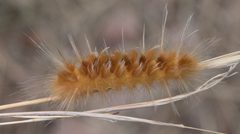
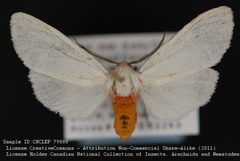
Pygarctia is a of arctiine tiger moths in the Erebidae, established by Grote in 1871. The genus contains approximately 13 described distributed primarily in North America. At least one species, Pygarctia roseicapitis, has been documented producing acoustic warning signals to deter bat , a termed acoustic aposematism. Caterpillars of P. roseicapitis are herbivores on Euphorbia plants, exhibiting distinctive trenching behavior where they cut leaf before feeding to reduce latex flow.
Pronunciation
How to pronounce Pygarctia: //paɪˈɡɑːrktiə//
These audio files are automatically generated. While they are not always 100% accurate, they are a good starting point.
Images
Distribution
North America; recorded from United States and Mexico
Behavior
At least one (Pygarctia roseicapitis) exhibits acoustic aposematism, producing warning sounds to deter bat . This species also displays reduced evasive compared to other eared , suggesting reliance on acoustic warnings over escape maneuvers.
More Details
Acoustic aposematism
Pygarctia roseicapitis was among the first tiger moths documented using acoustic aposematism in natural , not just laboratory settings. The produces sounds that warn echolocating bats of its chemical defenses, representing an evolutionary alternative to visual warning coloration used in systems.
Caterpillar trenching behavior
Larvae of P. roseicapitis cut of latex-rich Euphorbia plants before feeding, a that reduces latex flow to leaf portions. This trenching allows multiple feeding bouts on wilted leaves, though caterpillars frequently abandon plants before full resource utilization.