
Ectypia clio
Packard, 1864
Clio Tiger Moth, Clio Moth
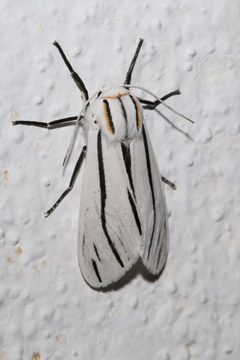
Ectypia clio is a tiger moth in the Erebidae, described by Packard in 1864. It occurs in lowland areas of the western and southwestern United States, where are active from late spring through early August. The is notable for its larval association with milkweeds (Asclepias). Two are recognized: E. c. clio and E. c. jessica.
Pronunciation
How to pronounce Ectypia clio: //ɛkˈtɪpiə ˈklioʊ//
These audio files are automatically generated. While they are not always 100% accurate, they are a good starting point.
Identification
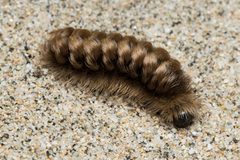
are small tiger moths with forewings 15–20 mm in length. Larvae are readily identified by their uniformly black coloration and hairy covering. The may be distinguished from other western Ectypia by geographic range and larval association with Asclepias.
Images
Habitat
Lowland areas, particularly along creeks and rivers. Also occurs in agricultural and urban environments.
Distribution
Western and southwestern United States: California, Arizona, Utah, New Mexico, Colorado, and from southwestern to western Nebraska and Texas.
Seasonality
on wing from late spring to early August.
Diet
Larvae feed on Asclepias (milkweeds). diet not documented.
Host Associations
- Asclepias - larval food plantLarvae feed on multiple Asclepias .
Life Cycle
Complete with larval stage feeding on milkweeds. Specific details of , pupal, and stages not documented.
Ecological Role
Larval herbivore on milkweeds; may sequester cardiac glycosides from plants for chemical defense, as occurs in other milkweed-feeding tiger moths.
Human Relevance
Occurs in agricultural and urban areas, suggesting of disturbed . No significant economic impacts documented.
Similar Taxa
- Other Ectypia speciesGeographic separation and larval specificity help distinguish E. clio from .
- Other milkweed-feeding tiger moths (e.g., some Cycnia, Lophocampa)Larval coloration and hair differ; size and wing pattern vary.
More Details
Subspecies
Two recognized: Ectypia clio clio and Ectypia clio jessica (Barnes, 1900).
Taxonomic history
Originally described as Seirarctia clio by Packard in 1864; later transferred to Ectypia.