Dysschema
Hübner, 1818
Species Guides
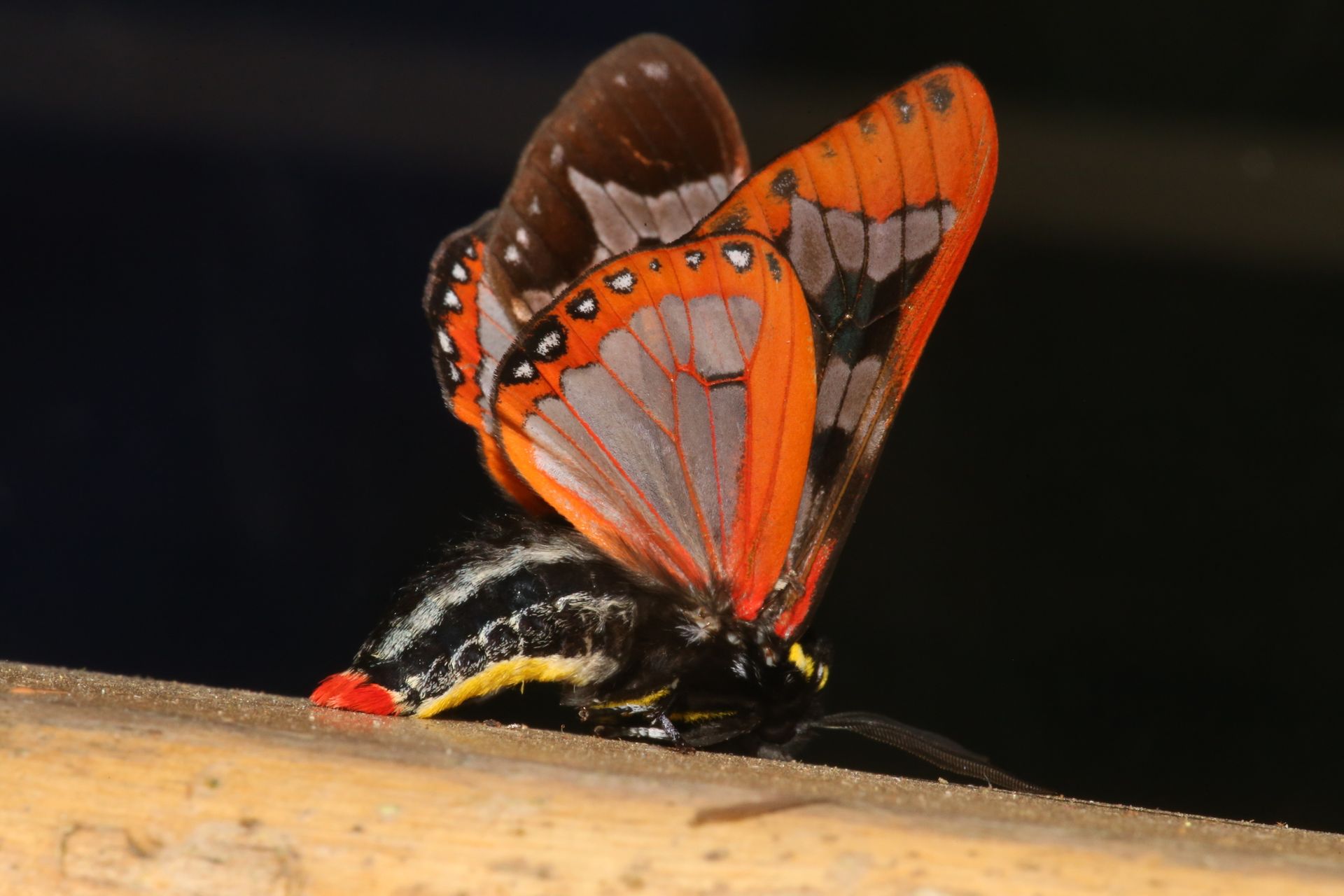
1- Dysschema howardi(Northern Giant Flag Moth)
Dysschema is a of tiger moths in the Erebidae, established by Jacob Hübner in 1818. in this genus are noted for their conspicuous coloration, particularly in the southwestern United States. Molecular studies indicate the genus comprises localized rather than wide-ranging , requiring refined species definitions based on integrated morphological, molecular, and ecological data. At least one species, D. sacrifica, has been documented as a potential agricultural pest on soybean in South America.
Pronunciation
How to pronounce Dysschema: //dɪˈskɛmə//
These audio files are automatically generated. While they are not always 100% accurate, they are a good starting point.
Identification
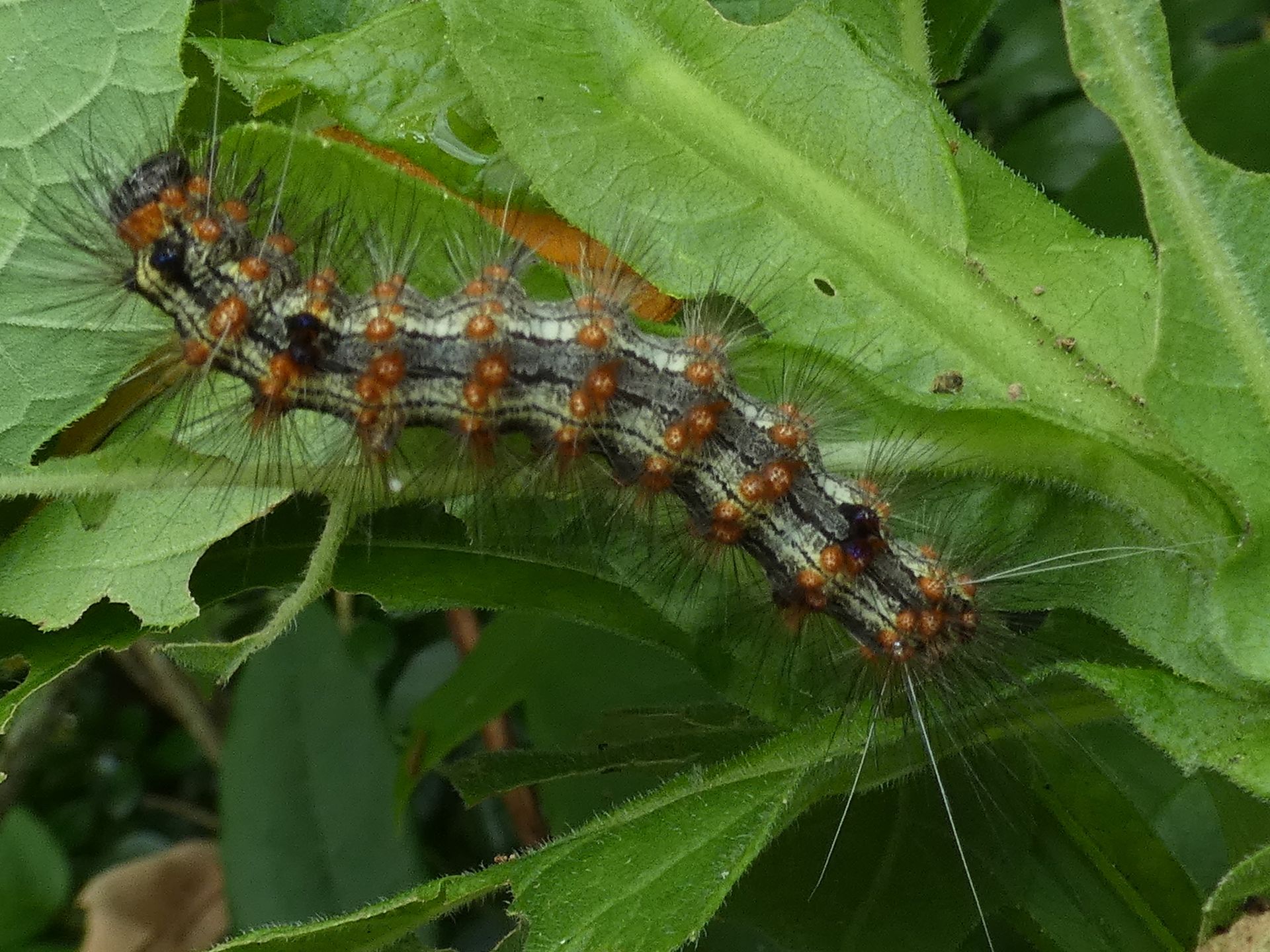
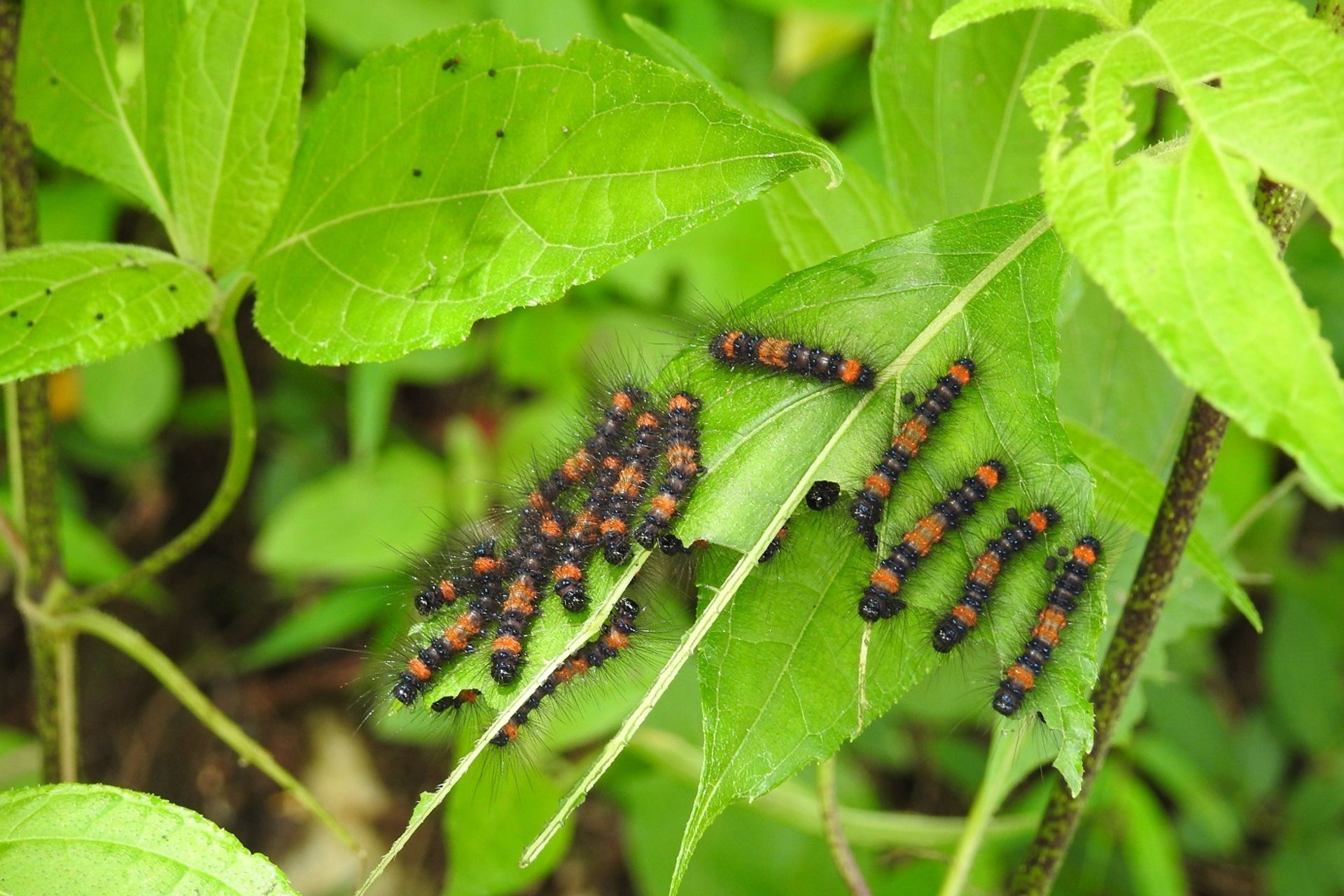
-level identification within Dysschema requires careful examination of morphological characters combined with molecular data; CO1 barcode sequences have revealed that superficially similar forms often represent distinct localized species. For D. sacrifica specifically, and larval characteristics are documented for field identification in soybean-growing regions of Argentina.
Images
Habitat
Includes agricultural landscapes with soybean in South America; broader associations for the remain poorly documented but likely encompass diverse Neotropical and Nearctic environments given the genus' distribution.
Distribution
Neotropical and Nearctic regions; Guatemala; southwestern United States; widespread in South American regions where soybean is intensively cultivated, particularly Córdoba province, Argentina. within the appear to have more restricted, localized distributions than previously recognized.
Diet
Larvae of D. sacrifica have been observed consuming leaves of soybean (Glycine max) in Argentina; this has also been associated with Eremanthus erythropappus (Asteraceae). Dietary habits for other Dysschema species are not documented.
Host Associations
- Glycine max - foliar herbivoresoybean; larval feeding documented in Argentina
- Eremanthus erythropappus - foliar herbivoreAsteraceae; association from cited literature (Fonseca et al. 2014)
Life Cycle
Larvae of D. sacrifica have been documented completing their full on soybean in field conditions. Life cycle details for other in the are not available.
Ecological Role
D. sacrifica is considered a potential agricultural pest of soybean in South America, though frequency and damage levels require further study. Control by natural enemies has been noted as an area needing investigation.
Human Relevance
D. sacrifica has been identified as a potential pest of soybean in Argentina and broader South American regions where soybean is intensively grown. The includes noted for their showy appearance in the southwestern United States.
Similar Taxa
- GnophaelaBoth belong to tribe Pericopini and share similar wing patterns; distinguished by detailed morphological and molecular characters
More Details
Taxonomic complexity
Molecular analysis of 397 individuals using CO1 barcodes has demonstrated that Dysschema is not a of wide-ranging , but rather comprises localized . Many recent taxonomic changes proposed by V. O. Becker are not supported by molecular data, indicating the genus requires substantial taxonomic revision.
Phylogeographic history
The D. eurocilia clade exhibits a relictual Pleistocene Arc distribution, suggesting historical range contraction and fragmentation patterns.
Sources and further reading
- BugGuide
- Wikipedia
- GBIF taxonomy match
- iNaturalist taxon
- NCBI Taxonomy
- Catalogue of Life
- First record of Dysschema sacrifica (Hübner, [1831]) on Soybean (Glycine max (L.) Merr) (Lepidoptera: Erebidae, Arctiinae)
- Niche modelling and comparative morphology untangle taxonomy of theDysschema eurociliaclade (Lepidoptera: Erebidae) and reveal a relictual Pleistocene Arc distribution
- Description of two new species Pericopini from Guatemala and critical review of some recent nomenclature changes in the genus Dysschema Hübner (Lepidoptera: Erebiidae: Arctiinae: Pericopini)