
Episcepsis inornata
Walker, 1856
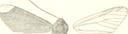
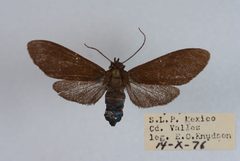
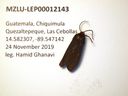
Episcepsis inornata is a in the Erebidae, Arctiinae. It was described by Francis Walker in 1856. The is known from Central America, with confirmed records from Guatemala and Rica, and has also been documented in southern Texas. The wingspan measures approximately 37 mm. The specific epithet 'inornata' (Latin for 'unadorned') suggests relatively plain coloration compared to .
Pronunciation
How to pronounce Episcepsis inornata: //ˌɛpɪˈsɛpsɪs ɪˌnɔːrˈneɪtə//
These audio files are automatically generated. While they are not always 100% accurate, they are a good starting point.
Identification
The can be distinguished from other Episcepsis by its relatively plain, unadorned appearance as suggested by its specific epithet. Precise diagnostic features require examination of genitalia or other detailed morphological characters not available in the provided sources. The combination of moderate size (37 mm wingspan) and geographic occurrence in Central America and southern Texas may help narrow identification.
Images
Distribution
Central America, including Guatemala and Rica. Northern range extension into southern Texas, USA.
Similar Taxa
- Other Episcepsis speciesMembers of the Episcepsis share general body plan and size range, but E. inornata is distinguished by its relatively plain, unadorned coloration as indicated by its specific epithet.
More Details
Original description
First described as Automolis inornata by Francis Walker in 1856, later transferred to Episcepsis. The basionym Automolis inornata is recorded in NCBI .
Observation records
iNaturalist reports 4 observation records for this , indicating it is rarely encountered or underreported.