Stigmella villosella
(Clemens, 1861) Newton et al., 1982
Stigmella villosella is a pygmy in the Nepticulidae, first described by Clemens in 1861. It is one of the smallest moth in North America, with measuring only 2.8–4.6 mm in wingspan. The species is known from a limited distribution in the eastern and south-central United States.
Pronunciation
How to pronounce Stigmella villosella: //stɪɡˈmɛlə vɪloʊˈsɛlə//
These audio files are automatically generated. While they are not always 100% accurate, they are a good starting point.
Identification
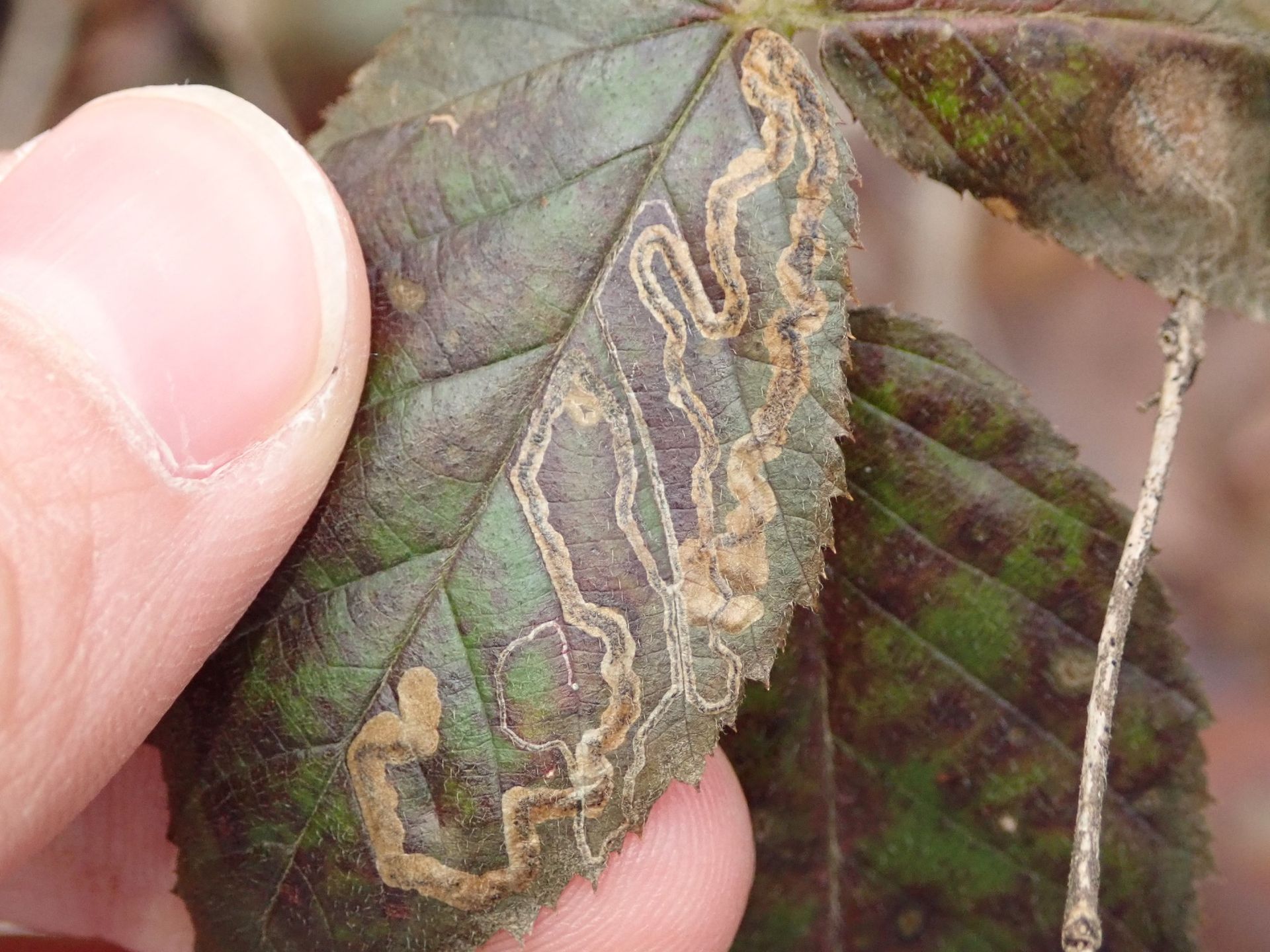
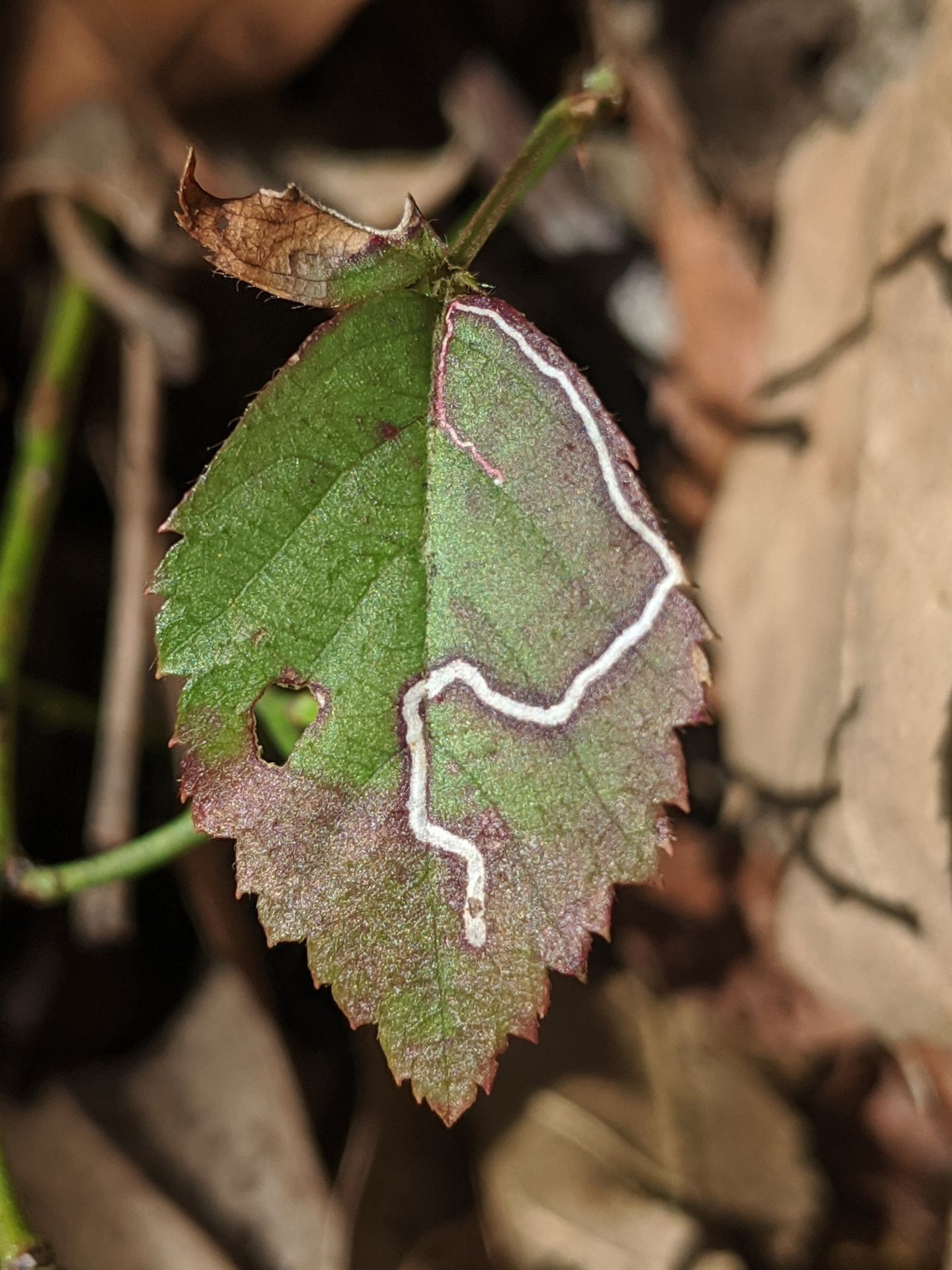
The extremely small size (wingspan under 5 mm) distinguishes Stigmella villosella from most other Lepidoptera. Within Nepticulidae, identification to requires examination of genitalia or . The species may be distinguished from similar Stigmella species by geographic range and plant associations, though specific diagnostic characters are not detailed in available literature. Larval leaf mines, if discovered, would show the characteristic serpentine or blotch patterns typical of the .
Images
Appearance
are minute with a wingspan of 2.8–4.6 mm. Like other Nepticulidae, they possess narrow, wings with reduced venation and long, slender fringes. The body is covered in fine setae, reflected in the epithet 'villosella' (meaning 'somewhat hairy'). Specific coloration and pattern details of adults are not well documented in available sources. Larvae are typical of the : minute, legless, and adapted for leaf-mining.
Habitat
Specific associations are not well documented. Based on known distribution and the of , the likely occurs in deciduous forest habitats and wooded areas where its plants grow.
Distribution
Recorded from the United States in Texas, Ohio, Kentucky, and Pennsylvania. The disjunct distribution pattern suggests possible association with specific plants or under-sampling in intervening regions.
Ecological Role
As a leaf-mining , larvae likely function as primary consumers, feeding on living leaf tissue between the epidermal layers. This feeding mode creates distinctive mines that may serve as microhabitats for other organisms. The species contributes to the diverse of microlepidoptera that process leaf material in forest .
Human Relevance
No direct economic or agricultural significance is documented. The is of interest to lepidopterists and ecologists studying microlepidopteran diversity and leaf-mining insect .
Similar Taxa
- Stigmella castaneaefoliellaAnother North American Stigmella with similar minute size and leaf-mining habit; distinguished by association with Castanea (chestnut) plants and more northerly distribution including New York
- Other Stigmella speciesNumerous share the minute size and general ; reliable separation requires genitalia examination or molecular analysis
More Details
Taxonomic history
The was originally described by James Brackenridge Clemens in 1861. The combination was later validated by Newton et al. in 1982. The specific epithet 'villosella' refers to the somewhat hairy appearance of the .
Data gaps
Critical information including larval plants, complete , and detailed morphological descriptions remain undocumented in accessible literature. The is represented by relatively few collection records.