
Lacosoma
Grote, 1864
sack-bearer moths
Species Guides
3- Lacosoma arizonicum(southwestern sack-bearer moth)
- Lacosoma chiridota(scalloped sack-bearer)
- Lacosoma elassa
Lacosoma is a of sack-bearer moths in the Mimallonidae, comprising at least 30 described . The genus name derives from Greek, referring to the hairy or woolly body characteristic of the group. Larvae construct and carry silken cases, giving rise to the . The genus includes both and species, with documented associations primarily on oak (Quercus) species.
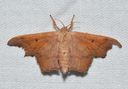
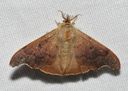
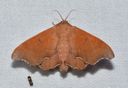
Pronunciation
How to pronounce Lacosoma: /lɑːˈkoʊsəmə/
These audio files are automatically generated. While they are not always 100% accurate, they are a good starting point.
Identification
may be distinguished from other Mimallonidae by the hairy or woolly body referenced in the etymology. Larvae are identifiable by their habit of constructing and carrying silken cases. Specific -level identification requires examination of genitalia or other detailed morphological features not summarized here.
Images
Habitat
Oak woodlands and associated forested environments; larvae specifically associated with oak (Quercus).
Distribution
North America; records include Arizona and Vermont, USA, with broader distribution across the continent implied by .
Seasonality
period varies by ; Lacosoma arizonicum active July–August. inferred for at least some species.
Diet
Larvae of at least some feed on Quercus (oak) species, specifically documented for Lacosoma arizonicum on Quercus hypoleucoides (silverleaf oak) and Quercus arizonica (Arizona white oak).
Host Associations
- Quercus hypoleucoides - larval silverleaf oak
- Quercus arizonica - larval Arizona white oak
Life Cycle
Larvae develop in spring/early summer, pupate in thin double-layered cocoons spun between leaves, with in mid-summer. At least some appear .
Behavior
Larvae are solitary defoliators, not gregarious. When disturbed, larvae drop from foliage on silk threads. Larvae construct and carry silken cases. At least some in the exhibit activity. Sexual has been specifically documented in Lacosoma chiridota.
Ecological Role
Oak defoliator; serves as for (Cotesia sp., Braconidae) and flies (Lespesia sp., Tachinidae).
Similar Taxa
- Other Mimallonidae generaLacosoma larvae distinguished by silken case-carrying ; by hairy/woolly body characteristic per etymology.
More Details
Etymology
name derived from Greek, referring to the hairy or woolly body characteristic of the group.
Research gaps
Most detailed natural history information derives from single studies (L. arizonicum, L. chiridota); broader -level patterns require confirmation across additional species.
Sources and further reading
- BugGuide
- Wikipedia
- GBIF taxonomy match
- iNaturalist taxon
- NCBI Taxonomy
- Catalogue of Life
- Report of Diurnal Activity in Mimallonoidea with Notes on the Sexual Behavior of Lacosoma chiridota Grote, 1864
- Notes on the Larva and Natural History of Lacosoma arizonicum Dyar (Mimallonoidea, Mimallonidae) with New Host and Parasitoid Records