
Artace
Walker, 1855
Species Guides
2- Artace colaria
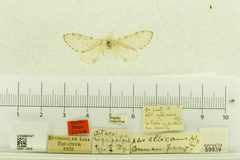
- Artace cribrarius(dot-lined white)
Artace is a of lappet moths (Lasiocampidae) established by Francis Walker in 1855. The genus contains approximately 28 described distributed primarily in the Americas, with a concentration of species described from South America. A 2009 photograph of an undetermined Artace species from Venezuela, dubbed the "Venezuelan poodle ," gained widespread internet attention and remains taxonomically unresolved pending revision of the genus. The of Artace and related genera is currently considered uncertain, particularly for South American species.
Pronunciation
How to pronounce Artace: /ˈɑr.tə.ˌsi/
These audio files are automatically generated. While they are not always 100% accurate, they are a good starting point.
Identification
Identification to level requires examination of genitalia and wing venation patterns. The can be distinguished from related Lasiocampidae by antennal structure, though definitive separation from allied genera remains problematic without comprehensive revision. South American species in particular lack reliable diagnostic keys.
Images
Appearance
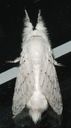
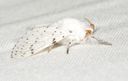
Members of Artace are lappet moths with the characteristic robust body form of Lasiocampidae. The is distinguished by with a distinctive bipectinate (feathery) structure in males. The "Venezuelan poodle " photograph shows dense, hair-like covering the body and wings, creating a fluffy appearance, though this trait's consistency across the genus is unverified.
Habitat
Found in diverse terrestrial including tropical and subtropical forests, with records from lowland to montane elevations. Specific microhabitat preferences are poorly documented for most .
Distribution
Primarily Neotropical, with records from North America (Mexico, southern United States) through Central America to South America (Venezuela, Brazil, Argentina, and intermediate regions).
Seasonality
activity periods vary by and latitude; most records suggest year-round activity in tropical regions with seasonal peaks in subtropical areas.
Human Relevance
The gained public attention through the "Venezuelan poodle " viral photograph, which sparked interest in moth biodiversity but also generated misinformation through fabricated images. No economic importance has been documented.
Similar Taxa
- LasiocampaRelated with similar overall ; distinguished by antennal and genitalic characters, though precise boundaries require revision
- MalacosomaTent caterpillar moths in same ; differ in larval social and wing patterns
Misconceptions
Multiple fabricated photographs falsely claimed to depict the "Venezuelan poodle " circulated online after the original 2009 photograph by Arthur Anker. These hoax images created confusion about the actual appearance of Artace .
More Details
Taxonomic Uncertainty
Dr. John E. Rawlins (Carnegie Museum) noted that Artace and related require comprehensive revision, with South American having uncertain delimitation, validity, and even generic placement. No specimen of the actual "Venezuelan poodle " has been collected for definitive study.
Species Diversity
Approximately 28 have been described, with many named by Schaus (1924-1936) and Draudt (1927) from Central and South American material. The type species is Artace albicans Walker, 1855.