
Apotolype brevicrista
(Dyar, 1895)
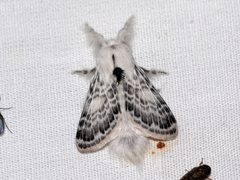
Apotolype brevicrista is a of in the Lasiocampidae, described by Harrison Gray Dyar in 1895. It is one of approximately ten described species in the Apotolype, which is restricted to the Nearctic region. The species has been documented across multiple states in the eastern and central United States based on iNaturalist observations.
Pronunciation
How to pronounce Apotolype brevicrista: //ˌæpoʊtəˈlaɪpi brevɪˈkrɪstə//
These audio files are automatically generated. While they are not always 100% accurate, they are a good starting point.
Identification
Members of the Apotolype can be distinguished from related tent caterpillar moths by genitalia characters, particularly in males. Specific diagnostic features for A. brevicrista require examination of specimens. The specific epithet "brevicrista" (short-crested) likely refers to a morphological feature of the adult or structure, though this requires verification from original description.
Images
Distribution
Eastern and central United States. Documented observations span from the northeastern states westward through the Midwest, with records from states including Ohio, Indiana, Illinois, and surrounding regions based on occurrence data.
Seasonality
activity period appears to span late spring through summer based on iNaturalist observation dates, with peak records in June and July. Exact varies by latitude.
Similar Taxa
- Malacosoma spp.Other tent caterpillar moths in the same Lasiocampidae; distinguished by social larval and more extensive web-building, plus different wing patterns
- Other Apotolype species within the same ; require genitalia dissection or detailed morphological examination for reliable separation
More Details
Taxonomic history
Originally described by Dyar in 1895, placed in Apotolype. The genus was established by Barnes & McDunnough in 1911.
Observation data
iNaturalist records indicate this is encountered with moderate frequency (488 observations as of source date), suggesting it is not rare within its range, though it may be underreported due to identification challenges.