Hyblaea
Fabricius, 1793
Species Guides
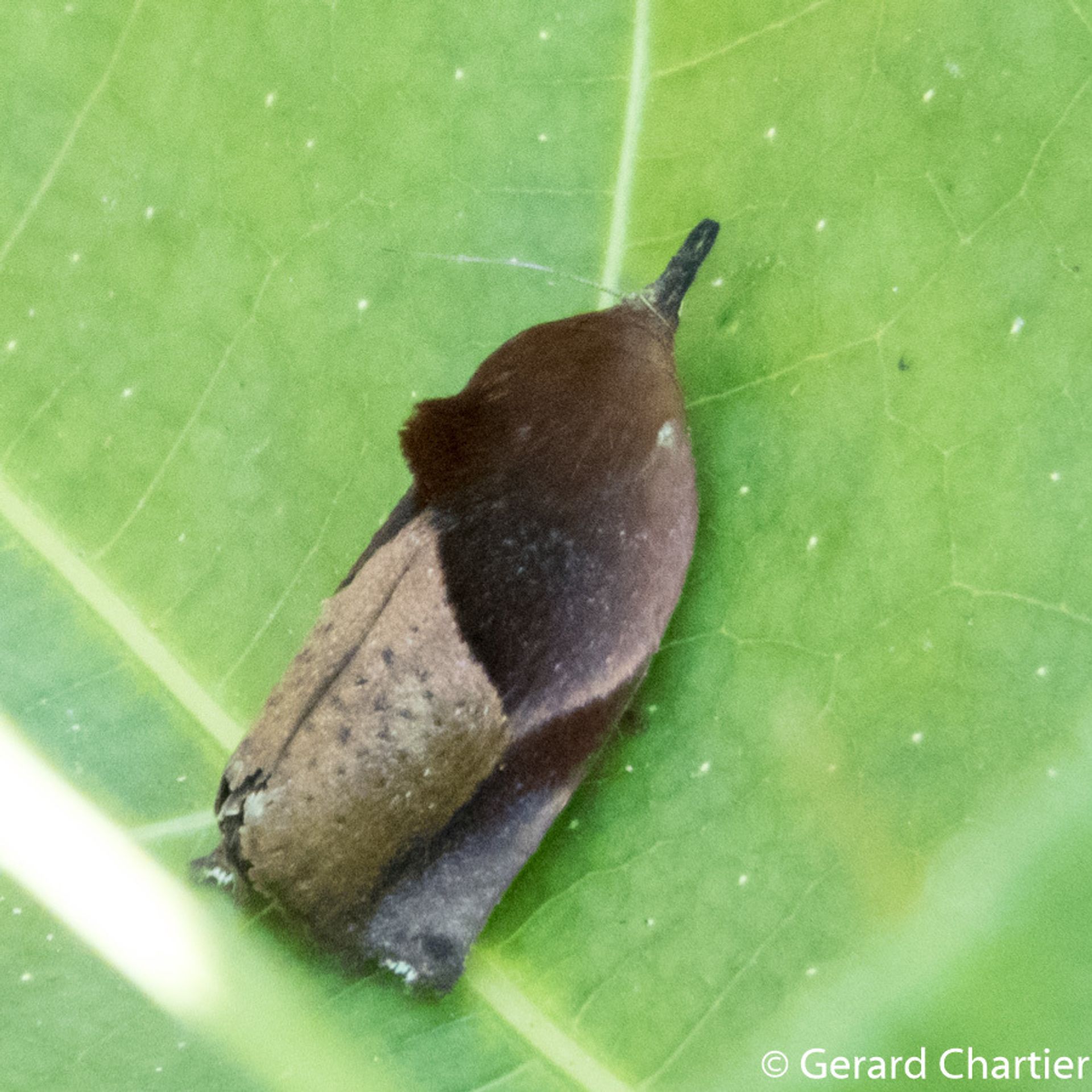
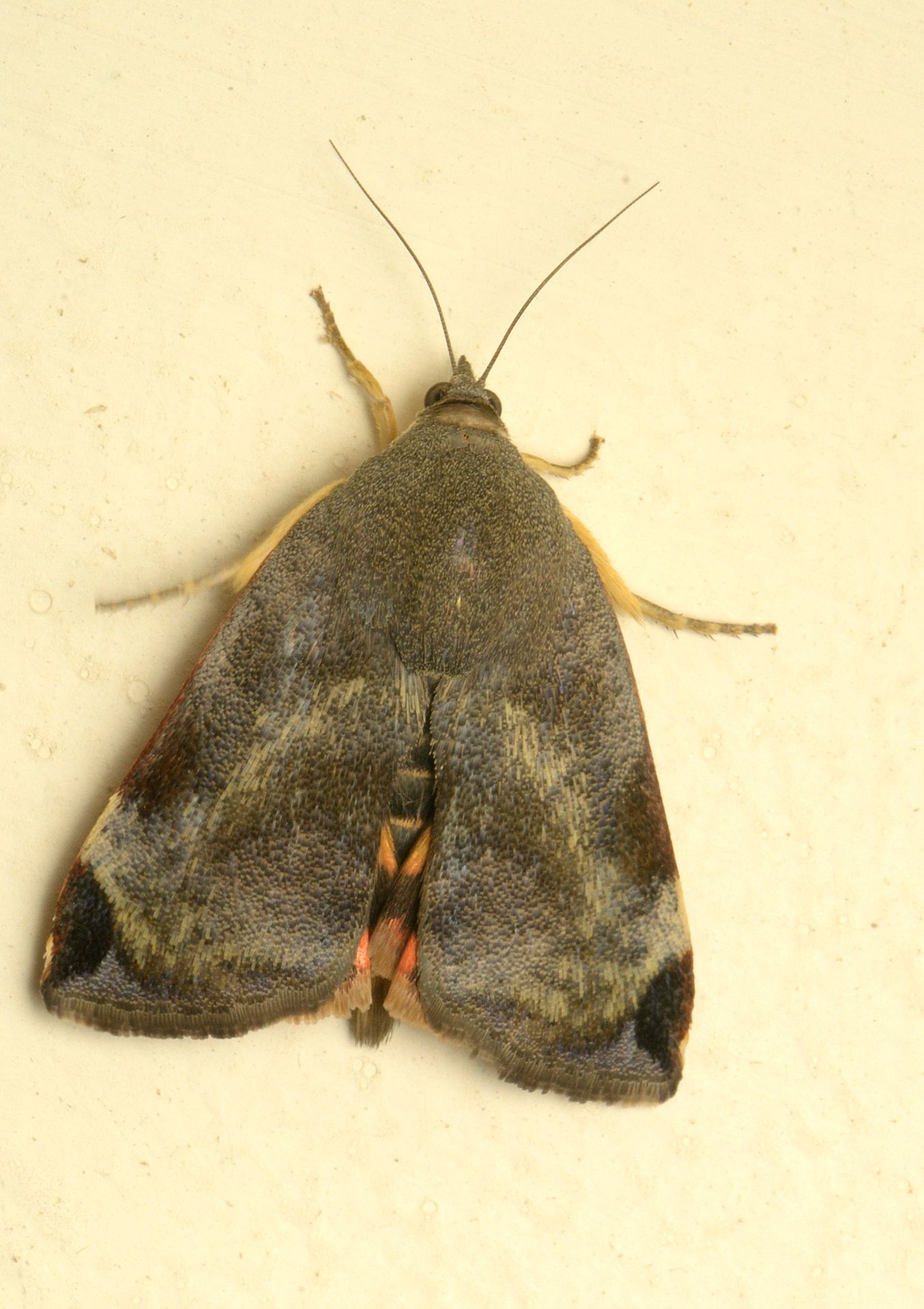
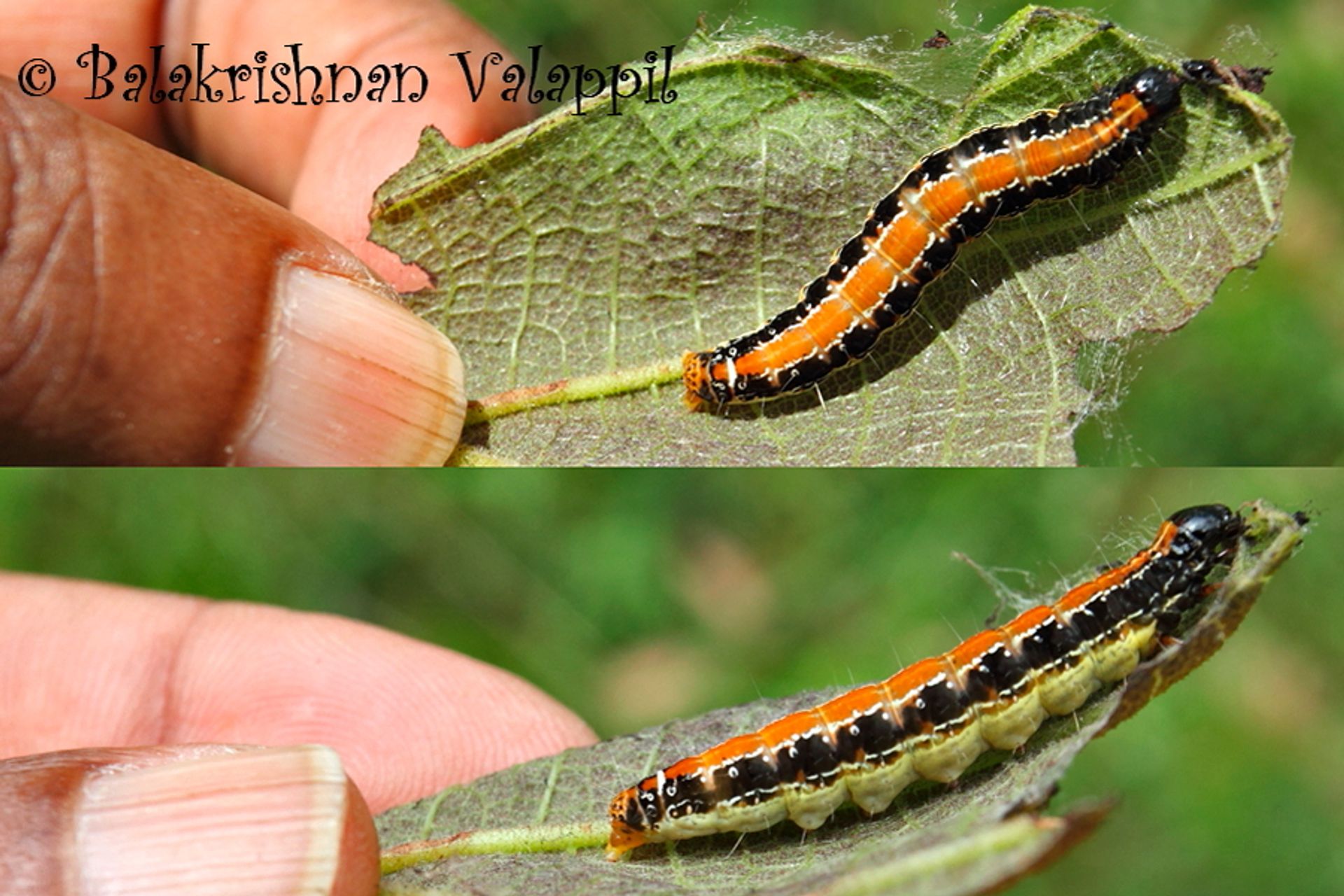
1- Hyblaea puera(teak defoliator)
Hyblaea is a of in the Hyblaeidae, first described by Johan Christian Fabricius in 1793. The genus is notable for including Hyblaea puera, a major pest of teak and mangroves in tropical Asia that has become in China. Members of this genus are characterized by distinctive wing venation and small . The family Hyblaeidae is placed in the superfamily Hyblaeoidea.
Pronunciation
How to pronounce Hyblaea: /hɪˈbleɪə/
These audio files are automatically generated. While they are not always 100% accurate, they are a good starting point.
Identification
Distinguished from other Lepidoptera by the combination of porrect rostriform palpi, open wing , and the specific venation pattern where hindwing 8 anastomoses with vein 7 near the middle of the cell. The lobed inner margin of the forewing and long-haired, spineless tibiae are additional diagnostic features. Molecular identification using COI gene sequences has been developed for at least one (H. puera) to address difficulties in morphological identification of stages.
Images
Appearance
very small. Palpi porrect (extending forward) and rostriform (beak-shaped). minutely ciliated in male. and smoothly scaled. Tibia clothed with long hairs and spineless. Forewings with arched near base, with lobed inner margin; open; 6 to 9 arise from close to angle of cell. Hindwings with open cell; vein 8 anastomosing with vein 7 to near middle of cell.
Habitat
Tropical and subtropical regions; includes teak forests, mangrove forests, and coastal areas. Specific varies by .
Distribution
Native to South Asia and Southeast Asia (India, Laos, Thailand, Myanmar). At least one (H. puera) has become in China, with records from Guangdong, Guangxi, Yunnan, Shaanxi, and Gansu provinces.
Host Associations
Life Cycle
For at least H. puera: short developmental period with up to 11 per year in Guangxi's coastal areas. Stages include , larva, pupa, and . Specific details for other Hyblaea are not documented.
Behavior
Larvae of at least one (H. puera) feed extensively on plant leaves, causing complete defoliation. Large- can lead to tree mortality. have been collected using light traps.
Ecological Role
Some act as serious forest pests, causing timber loss and decreased forest productivity. threaten mangrove stability and . At least one species is a target for using .
Human Relevance
Hyblaea puera is a major economic pest of teak plantations, causing significant timber losses. It has been targeted with using Hyblaea puera (HpNPV), a Group II NPV alphabaculovirus employed in India. Molecular detection assays (SS- and LAMP) have been developed for rapid identification to support management efforts.
Similar Taxa
- Other Lepidoptera familiesHyblaeidae is distinguished by unique wing venation (hindwing 8 anastomosing with vein 7) and porrect rostriform palpi, features not found in most other .
More Details
Molecular resources
Mitochondrial COI gene sequences are available for at least H. puera and have been used to develop -specific molecular detection assays.
Virus associations
Hyblaea puera (HpNPV) is a specific to H. puera that has been characterized at the molecular level and used as a biocontrol agent.
Sources and further reading
- BugGuide
- Wikipedia
- GBIF taxonomy match
- iNaturalist taxon
- NCBI Taxonomy
- Catalogue of Life
- Isolation, identification and molecular phylogenetic analysis of Hyblaea puera Nucleopolyhedrovirus
- Mégara Hyblaea au IVe siècle av. J.-C. : étude d'un corpus fragmentaire de vases à figures rouges sicéliotes provenant du secteur public de la cité
- Development and Application of Two Rapid Molecular Detection Assays for Hyblaea puera Cramer (Lepidoptera: Hyblaeoidea), a Major Pest of Mangroves and Teak.