
Phymatopus behrensii
(Stretch, 1872)
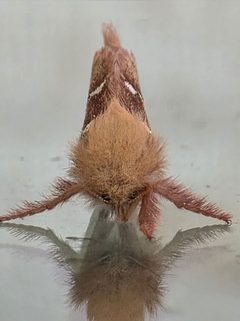
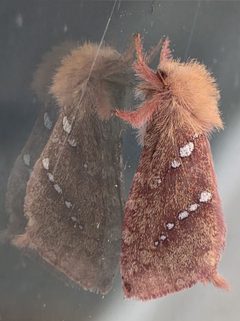
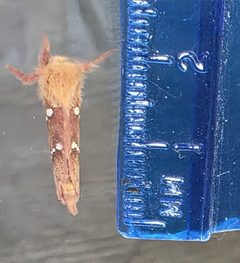
Phymatopus behrensii is a hepialid described by Stretch in 1872. It is known from California and Washington in the western United States. The has a wingspan of approximately 43 mm. Larvae have been recorded feeding on a diverse range of plants including Helenium, Lupinus, Malus, and various ferns.
Pronunciation
How to pronounce Phymatopus behrensii: //fɪˈmætəpəs bəˈrɛnsiaɪ//
These audio files are automatically generated. While they are not always 100% accurate, they are a good starting point.
Identification
Distinguished from other Phymatopus by geographic range and association with specific western North American plant . The moderate wingspan of ~43 mm separates it from larger hepialid species. Definitive identification may require examination of genitalia or molecular analysis.
Images
Habitat
Associated with containing recorded larval food plants: Helenium, Lupinus, Malus, and various fern . These encompass open areas, meadows, woodland edges, and forested environments in the Pacific coastal region.
Distribution
Western United States: recorded from California and Washington.
Diet
Larvae feed on roots or lower stems of herbaceous plants and ferns. Documented food plants include Helenium (sneezeweed), Lupinus (lupine), Malus (apple), and various ferns. lack functional mouthparts and do not feed.
Host Associations
- Helenium - larval food plantRoot or stem feeder
- Lupinus - larval food plantRoot or stem feeder
- Malus - larval food plantRoot or stem feeder
- various ferns - larval food plantRoot or stem feeder
Life Cycle
As a hepialid , development likely involves a prolonged larval stage with subterranean or concealed feeding habits, followed by in soil or plant material. are short-lived and do not feed. Specific timing of life stages is not documented.
Behavior
Larvae are concealed feeders, likely living underground or within plant root systems. are probably or , with males potentially exhibiting rapid, direct patterns typical of hepialid swifts.
Ecological Role
Larvae function as root herbivores, potentially influencing plant dynamics in their . Their broad plant range suggests flexibility in interactions. may serve as prey for .
Human Relevance
No significant documented economic or cultural importance. Recorded apple (Malus) association suggests potential minor agricultural relevance, though no pest status has been established.
Similar Taxa
- Phymatopus hecticaCongeneric with overlapping western North American distribution; requires careful morphological or molecular examination for separation
- Other HepialidaePrimitive with similar overall body plan; Phymatopus distinguished by specific wing patterns and genitalia characteristics
More Details
Taxonomic Note
The epithet 'behrensii' honors an individual, likely a collector or colleague of Stretch. The original description date of 1872 places this among earlier described North American hepialid species.
Data Limitations
Only four iNaturalist observations are recorded, indicating this is rarely encountered or underreported. Much of its remains undocumented.