
Parornichinae
Kuznetzov & Baryshnikova, 2001
Genus Guides
2Parornichinae is a of within the Gracillariidae, established in 2001. It contains five : Callisto, Graphiocephala, Parornix, and Pleiomorpha. Members are known as leaf-mining moths, with larvae that feed internally on plant leaves. The genus Parornix was first reported from China in 2021.
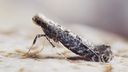
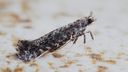
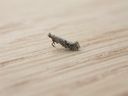
Pronunciation
How to pronounce Parornichinae: //ˌpærɔːrnɪˈkaɪniː//
These audio files are automatically generated. While they are not always 100% accurate, they are a good starting point.
Identification
Distinguished from other Gracillariidae by genitalic characters and larval leaf-mining . are small requiring dissection of genitalia for reliable identification to and . The genus Parornix has been separated using barcodes.
Images
Habitat
supporting plants in Rosaceae, including of Amygdalus and Cerasus.
Distribution
Widespread; includes China (first reported 2021, Shandong Province), with global distribution evidenced by 4,284 iNaturalist observations.
Diet
Larvae feed internally on leaves of plants. Documented hosts include Amygdalus davidiana and Cerasus japonica (both Rosaceae).
Host Associations
Behavior
Larvae are leaf miners, feeding internally within leaf tissue and creating visible mines. are .
Similar Taxa
- Other Gracillariidae subfamiliesSimilar small size and leaf-mining habit; distinguished by genitalic and molecular data
More Details
Systematic history
Established by Kuznetzov & Baryshnikova in 2001. Contains approximately five including the well-studied genus Parornix.
Research significance
First Chinese records published in 2021 included barcode reference data for identification, demonstrating modern integrative taxonomic approaches.