Phyllonorycter fitchella
(Clemens, 1860)
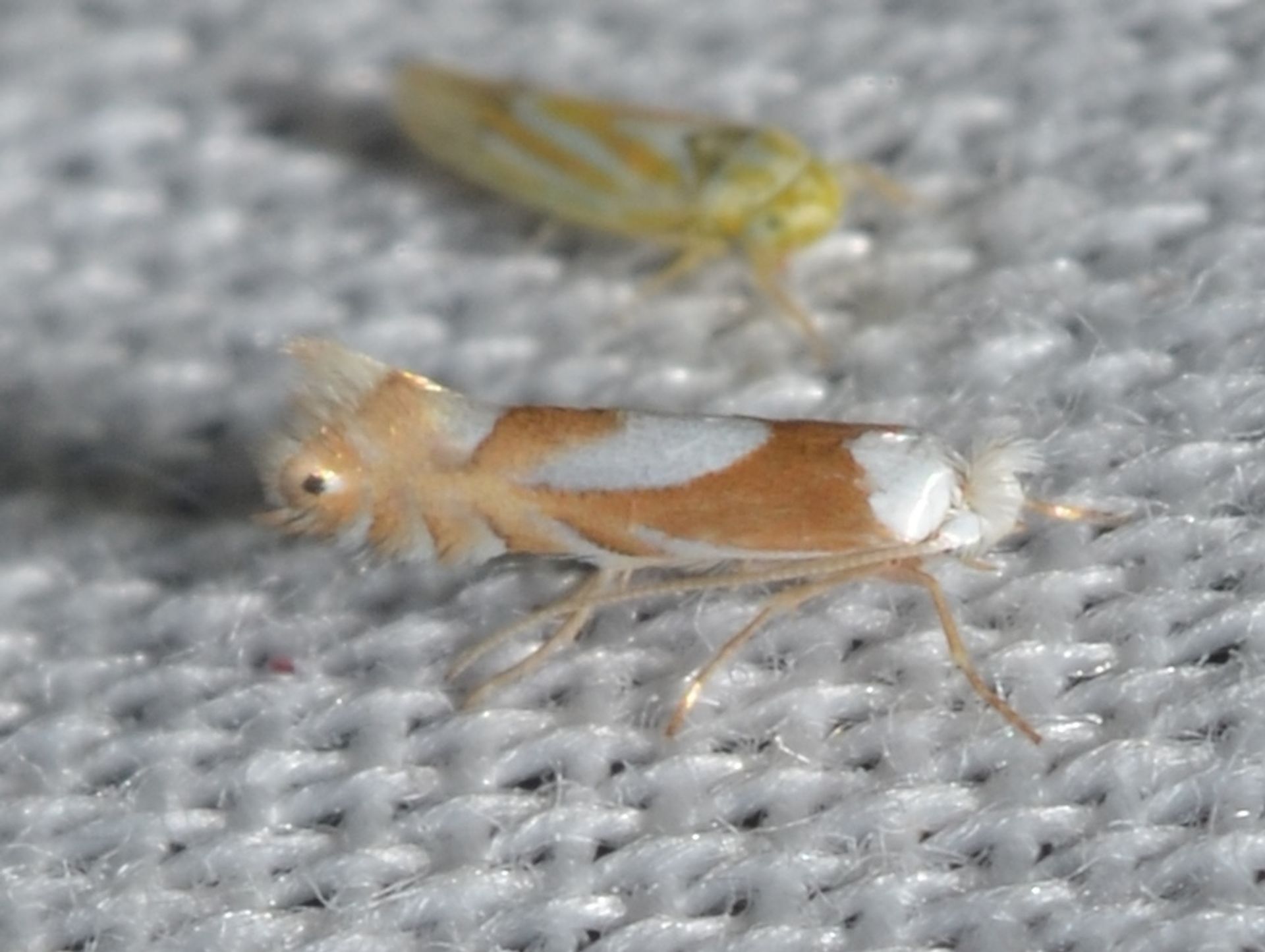
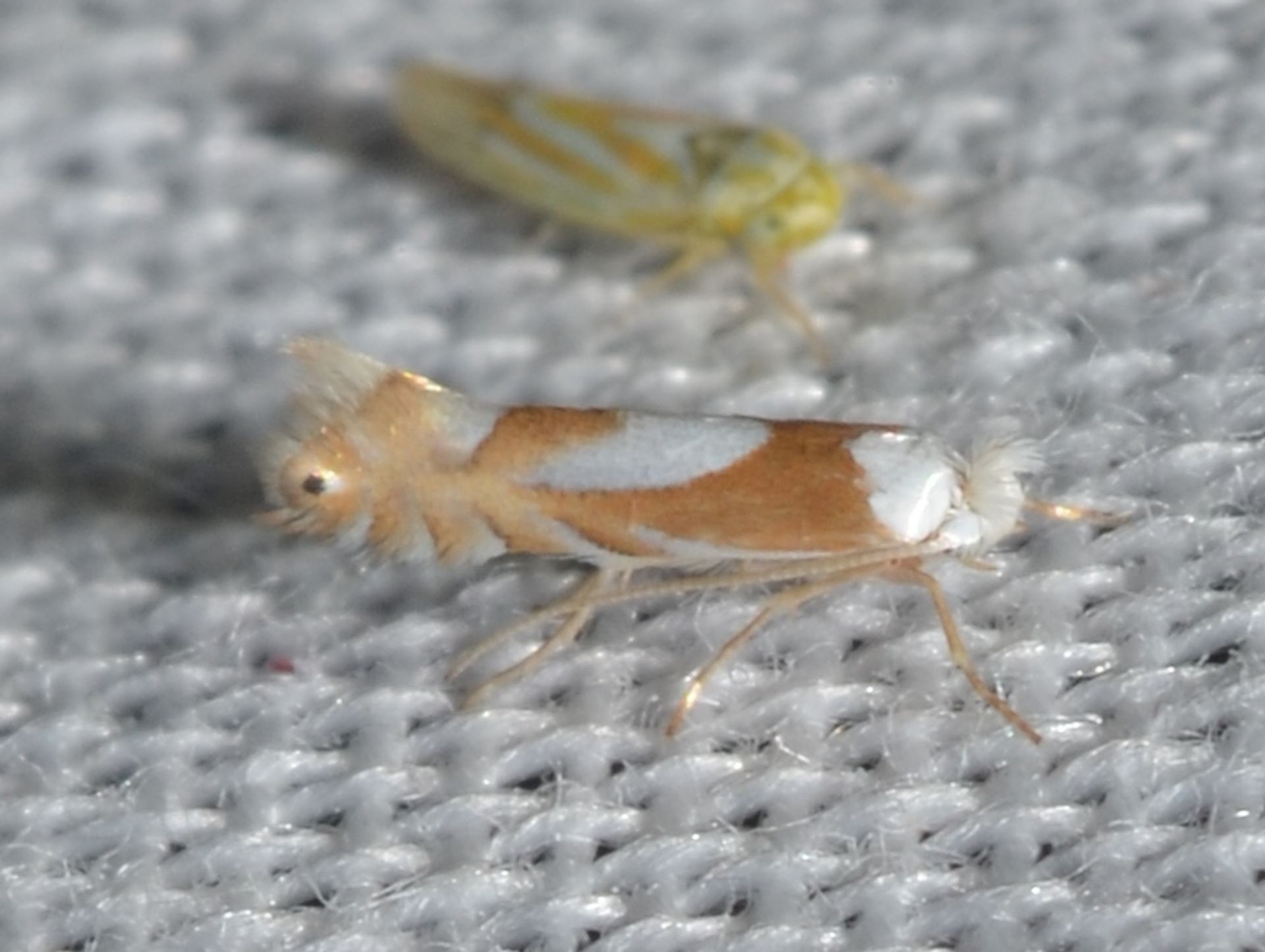
A small leaf-mining in the with a wingspan of 7.5–8 mm. create mines in leaves of Quercus (oak) . are active from March to October in at least some portions of the range.
Pronunciation
How to pronounce Phyllonorycter fitchella: /ˌfɪl.oʊ.nəˈrɪk.tər fɪtˈʃɛl.ə/
These audio files are automatically generated. While they are not always 100% accurate, they are a good starting point.
Identification
Distinguished from other Phyllonorycter primarily by association with Quercus species and geographic distribution. Specific pattern differences from are not detailed in available sources. The small size (7.5–8 mm wingspan) and association with oak leaf mines help place it in this . Definitive identification likely requires examination of or .
Images
Appearance
Small with wingspan 7.5–8 mm. As a member of Phyllonorycter, likely exhibits the typical gracillariid form: narrow with distinctive patterning of and dark markings, often with and strigulae. Specific color pattern details for this are not well documented in available sources.
Habitat
Associated with oak-dominated where Quercus occur. Specific habitat preferences beyond host presence are not documented.
Distribution
North America: Canada (Québec, British Columbia, Manitoba, Ontario); United States (Connecticut, Kentucky, Pennsylvania, Texas, Illinois, New York, California, Florida, Georgia, Maine, Maryland, Michigan, Vermont, Colorado, Missouri).
Seasonality
recorded on from March to October in California. period in other parts of range is not specified in available sources.
Diet
feed on Quercus , specifically: Quercus alba, Quercus bicolor, Quercus castanea, Quercus ilicifolia, Quercus macrocarpa, Quercus prinoides, Quercus prinus, and Quercus stellata. Larvae mine the leaves of their . feeding habits are not documented.
Host Associations
- Quercus alba - larval leaf mine
- Quercus bicolor - larval leaf mine
- Quercus castanea - larval leaf mine
- Quercus ilicifolia - larval leaf mine
- Quercus macrocarpa - larval leaf mine
- Quercus prinoides - larval leaf mine
- Quercus prinus - larval leaf mine
- Quercus stellata - larval leaf mine
Life Cycle
. Larval stage mines leaves of Quercus . Specific details of site, number of per year, and stage are not documented in available sources.
Behavior
are , feeding internally within oak leaves. are attracted to light. Specific behavioral details are not documented.
Ecological Role
As a , create internal feeding galleries in oak leaves. This represents a minor pressure on trees. The serves as for and , though specific interactions are not documented.
Human Relevance
No documented economic or ecological impact on humans. Not known to be a significant pest of ornamental or timber oaks. May be encountered by and naturalists conducting surveys or .
Similar Taxa
- Other Phyllonorycter speciesMany are similar in size and general appearance; identification to level typically requires examination of or association
- Other Gracillariidae leaf miners on oaksSeveral related (e.g., Cameraria) also mine oak leaves; mine pattern and larval differ
More Details
Taxonomic history
Originally described as Lithocolletis fitchella by Clemens in 1860, later transferred to Phyllonorycter.
Collection records
244 observations recorded on iNaturalist as of source date, indicating the is regularly encountered but not particularly abundant.