Idaea bonifata
(Hulst, 1887)
Fortunate Wave
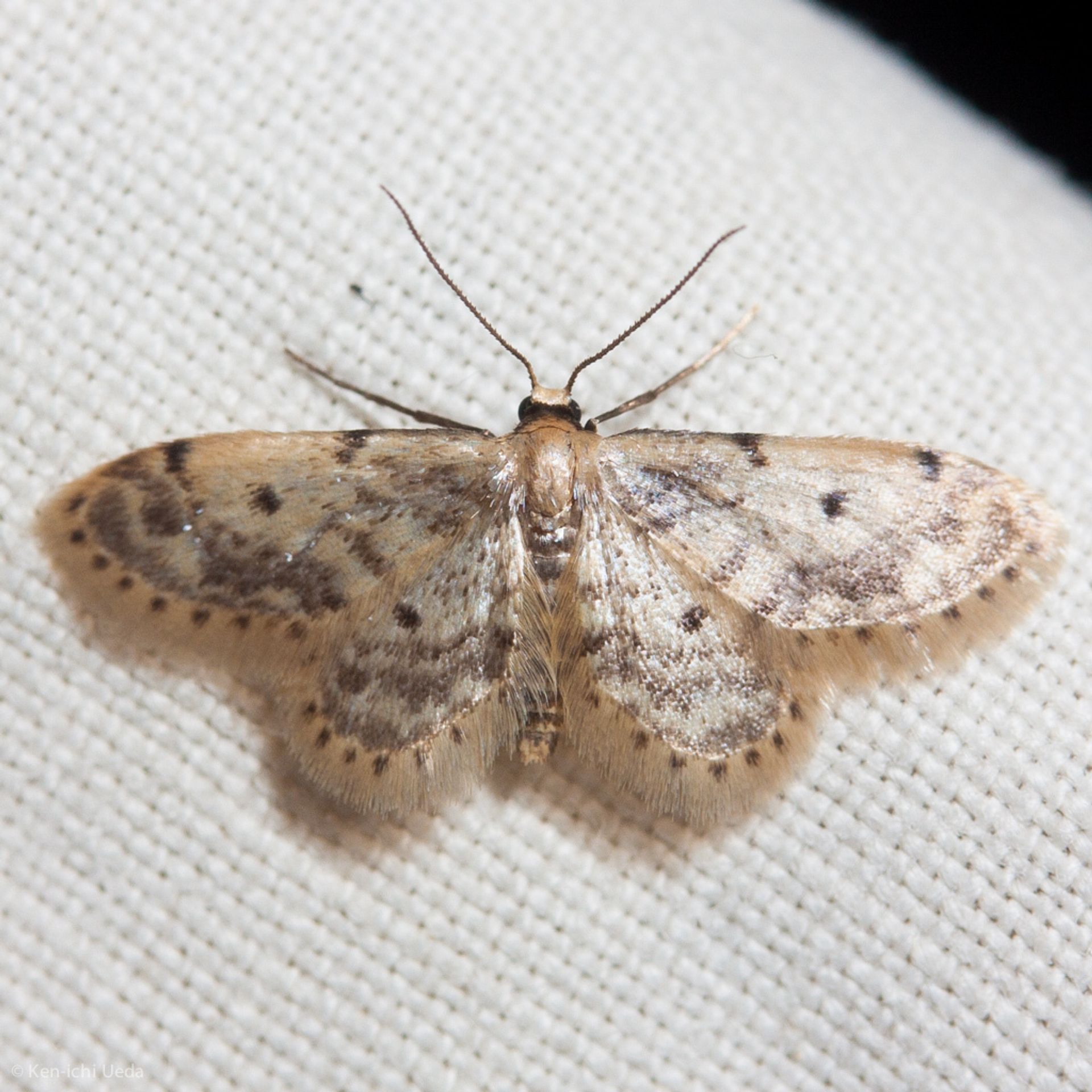
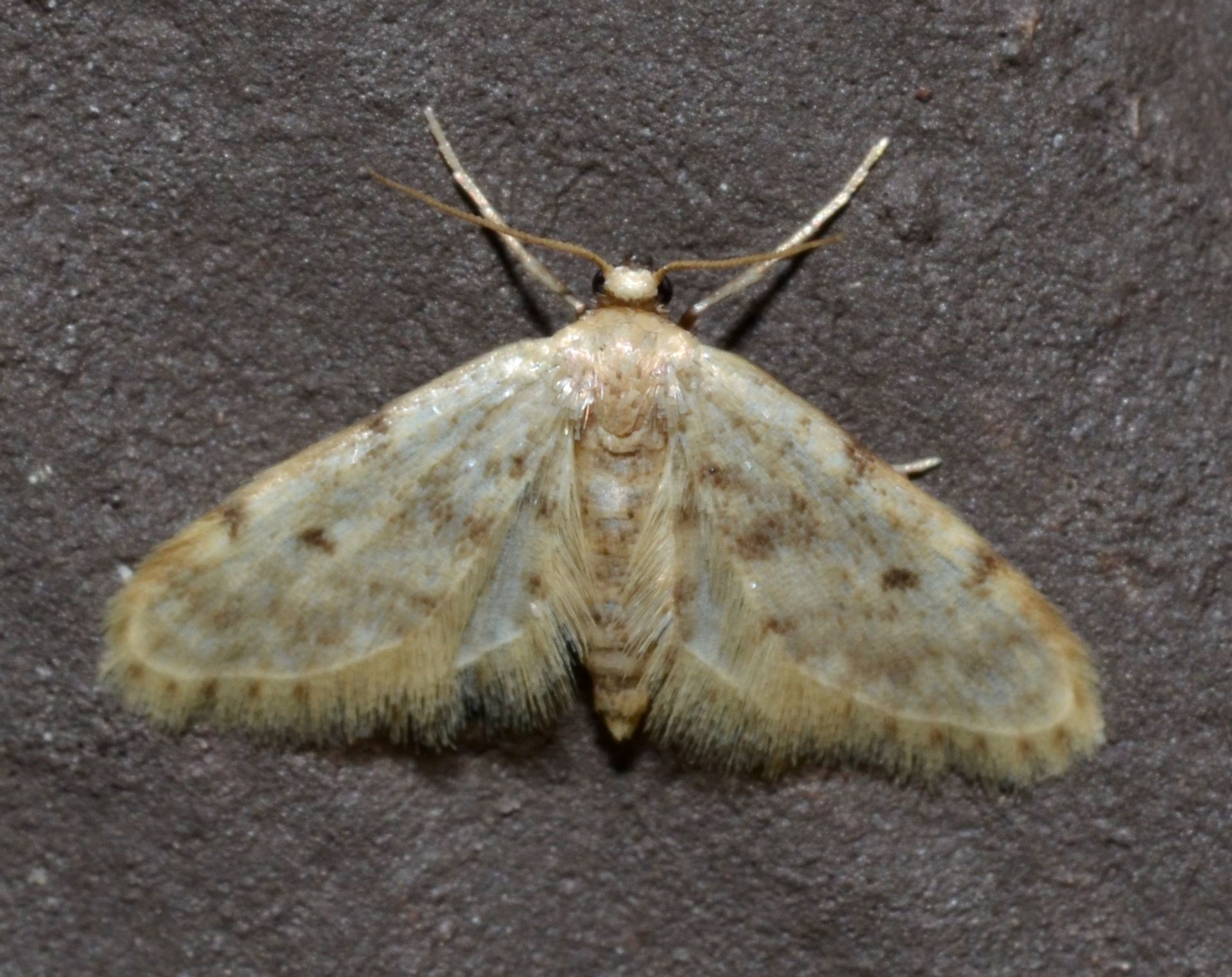
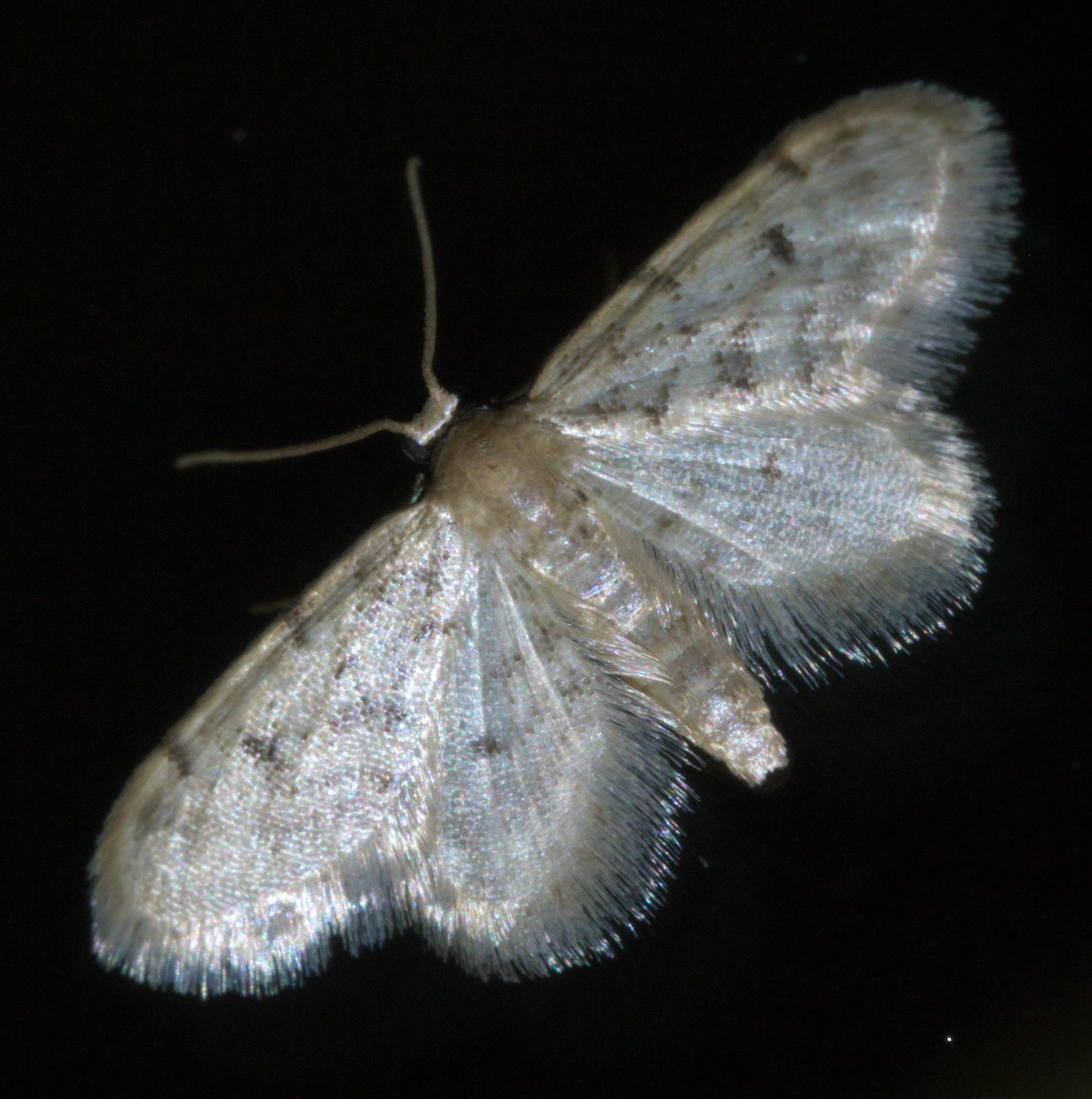
Idaea bonifata, commonly known as the Fortunate Wave, is a small geometrid native to North America. The was first described by Hulst in 1887 under the basionym Eois bonifata. are characterized by their diminutive size with forewings measuring 6–7 mm in length. The species exhibits an extended period spanning March through October, with larvae feeding on decaying leaf matter and stored grains.
Pronunciation
How to pronounce Idaea bonifata: /aɪˈdiːə ˈbɒnɪˌfɑːtə/
These audio files are automatically generated. While they are not always 100% accurate, they are a good starting point.
Identification
May be distinguished from other small geometrid moths by its specific wing pattern and size, though precise diagnostic features require examination of genitalia or detailed wing venation. The name 'bonifata' (Latin for 'fortunate') may allude to distinctive markings. Confirmation typically requires reference to original description or keys for North American Idaea species.
Images
Appearance
A small with forewings measuring 6–7 mm in length. As a member of the Idaea, it likely exhibits the typical wave moth wing patterning characteristic of the Sterrhinae , though specific coloration and pattern details are not documented in available sources.
Habitat
Specific preferences are not documented. Based on the broad geographic distribution across diverse North American regions, the likely occupies varied terrestrial habitats including grasslands, woodlands, and disturbed areas where larval food sources occur.
Distribution
Recorded from twelve U.S. states: Arizona, California, Georgia, Illinois, Kentucky, Maryland, Nevada, New Mexico, Oklahoma, Pennsylvania, Tennessee, and Utah. Also present in Vermont. The distribution spans multiple ecological regions from the Southwest deserts to the Mid-Atlantic and Great Lakes areas.
Seasonality
are active from March to October, indicating a prolonged period possibly encompassing multiple or extended patterns.
Diet
Larvae feed on decaying leaves and stored grains. feeding habits are not documented.
Life Cycle
Complete with , larval, pupal, and stages. Specific details regarding number of per year, stage, or site are not documented.
Ecological Role
Larvae contribute to decomposition processes through consumption of decaying plant matter. Potential minor pest status in stored grain contexts.
Human Relevance
Minor potential economic significance due to larval feeding on stored grains. Otherwise of limited direct human importance.
Similar Taxa
- Other Idaea speciesNumerous congeneric in North America share small size and wave ; precise identification requires examination of genitalic structures or detailed pattern analysis
- Small Sterrhinae mothsMembers of related within Sterrhinae exhibit convergent and size
More Details
Taxonomic History
Originally described as Eois bonifata by Hulst in 1887, later transferred to Idaea. The basionym Eois bonifata is retained as a synonym.
Observation Data
The has accumulated 1,547 observations on iNaturalist, indicating it is moderately well-documented by citizen scientists.