Plemyria
Hübner, [1825]
Species Guides
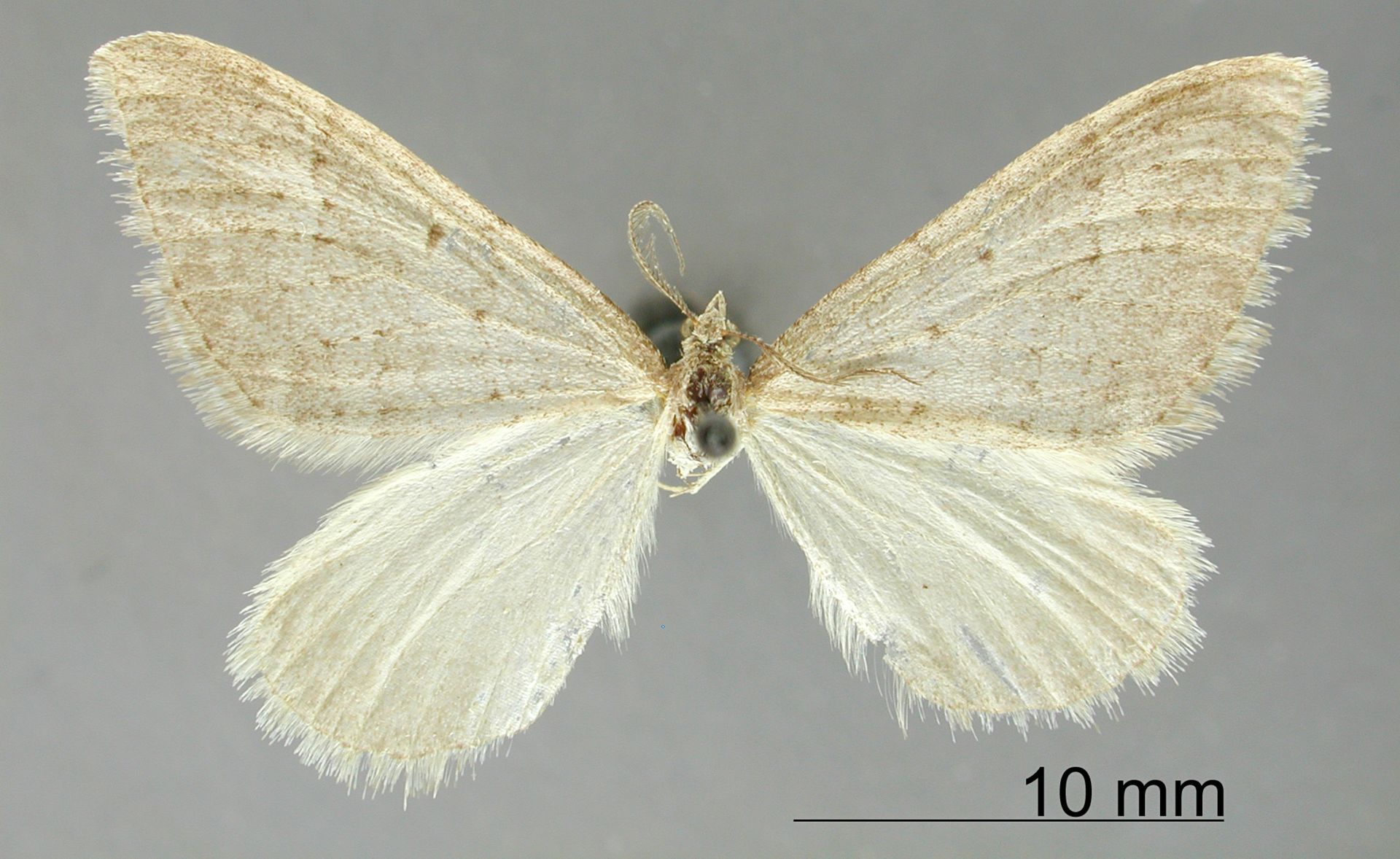
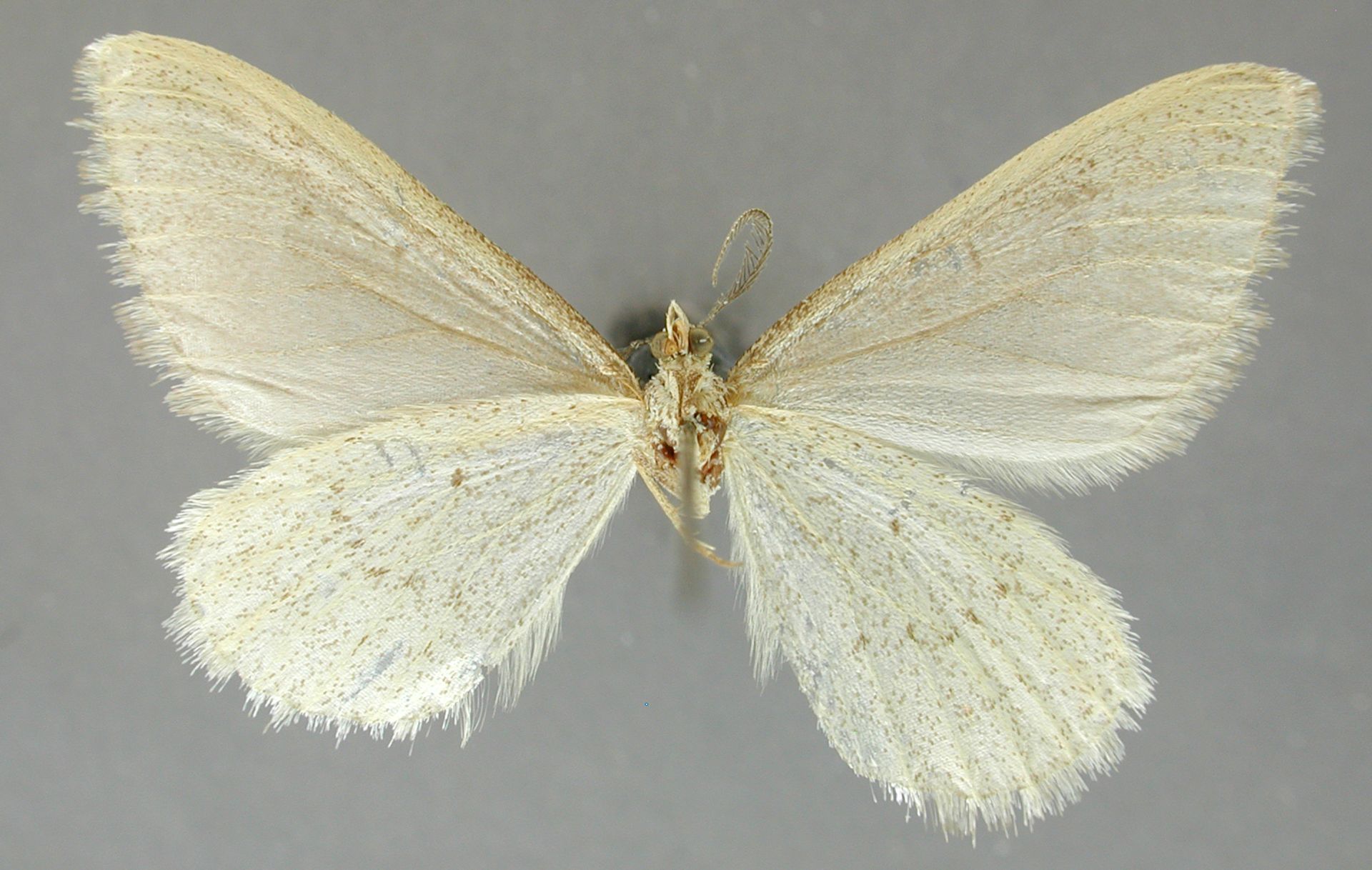
1- Plemyria georgii(George's carpet moth)
Plemyria is a of geometer moths in the Geometridae, established by Jacob Hübner in 1825. The genus contains two recognized : Plemyria rubiginata (blue-bordered carpet) and Plemyria georgii. These are distributed across the Palaearctic region, with Plemyria rubiginata showing a significant increase since 1970 despite no range expansion. The genus was also invalidly established by Hübner for another genus; see Orthonama for that usage.

Pronunciation
How to pronounce Plemyria: //plɛˈmɪɹiə//
These audio files are automatically generated. While they are not always 100% accurate, they are a good starting point.
Images
Habitat
Woodland ; specimens collected from Wytham Woods, Oxfordshire, UK and Lucas Wood, High Wycombe, UK
Distribution
Palaearctic distribution from north-western Portugal and Spain to China and Japan, southern Mediterranean to northern Scandinavia and north-western Russia, with isolated in Turkey; 0–1600 m elevation; continuous distribution in UK but scattered in Scotland and localized in Ireland
Seasonality
; flying early June to late September in UK with shift to earlier modal abundance; flying mid-July at higher elevations in Europe
Diet
Larvae feed on twigs of foodplants among spinnings; preferring alder (Alnus glutinosa) or blackthorn (Prunus spinosa), also found on apple (Malus spp.), plum (Prunus spp.), hawthorn (Crataegus monogyna) and birch (Betula spp.)
Host Associations
- Alnus glutinosa - larval foodplantpreferred
- Prunus spinosa - larval foodplantpreferred
- Malus spp. - larval foodplant
- Prunus spp. - larval foodplant
- Crataegus monogyna - larval foodplant
- Betula spp. - larval foodplant
Life Cycle
; overwinters as on twigs of foodplant; larvae feed April to June
Behavior
Light trap attraction for collection; dramatic 173% abundance increase since 1970 with no distribution change; possible northwards melanism at higher latitudes/elevations (f. plumbata form)