Eulithis prunata
(Linnaeus, 1758)
The Phoenix
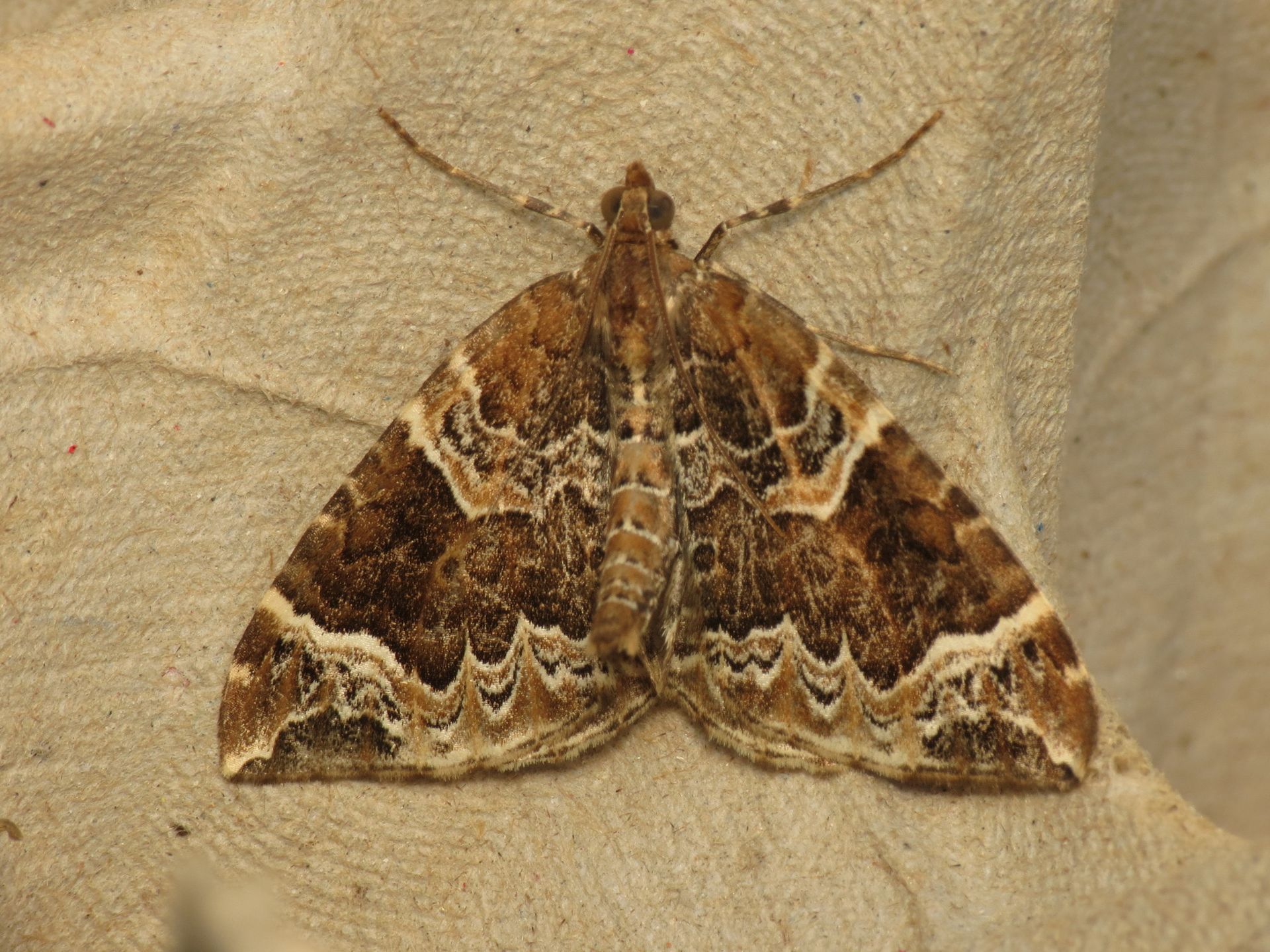
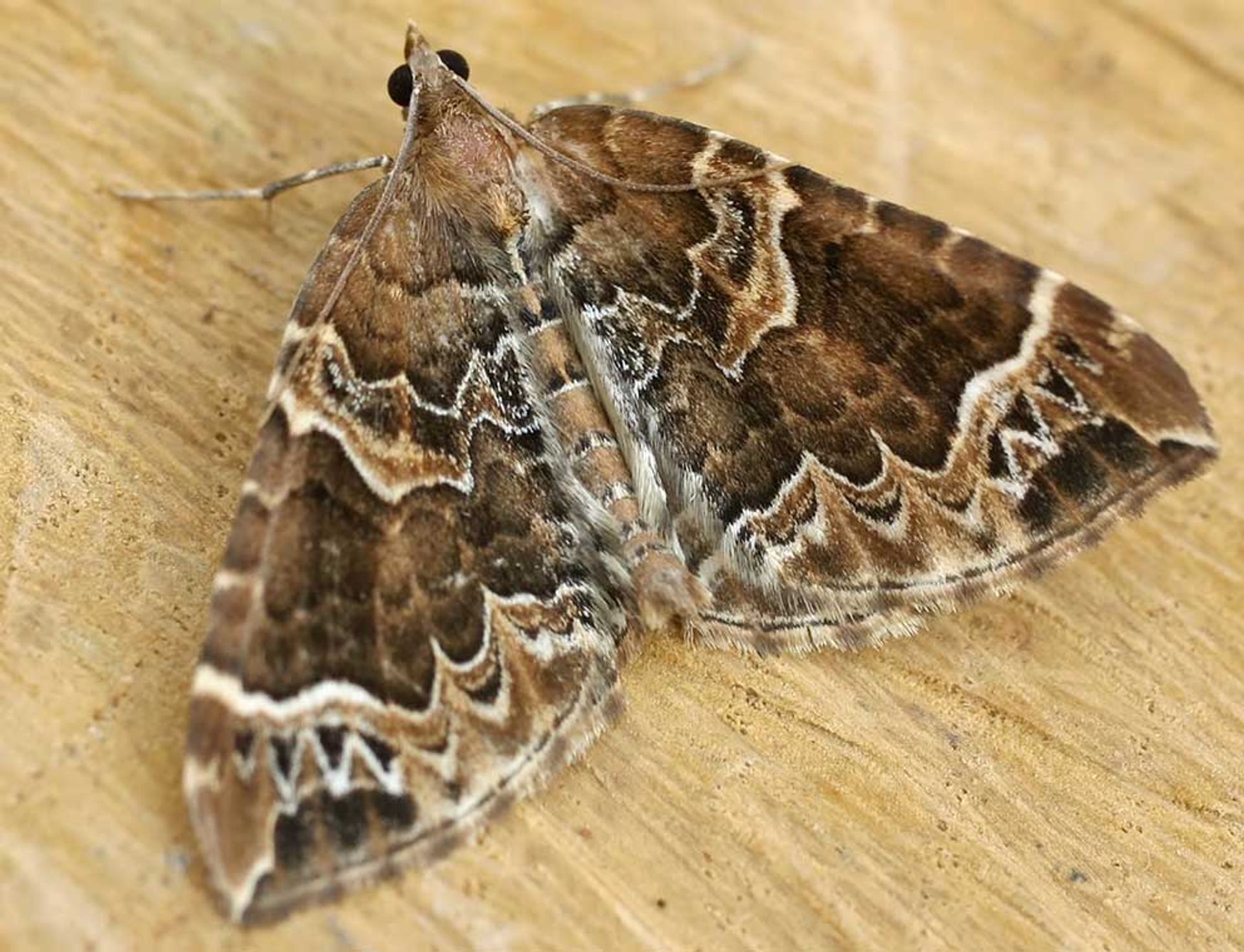
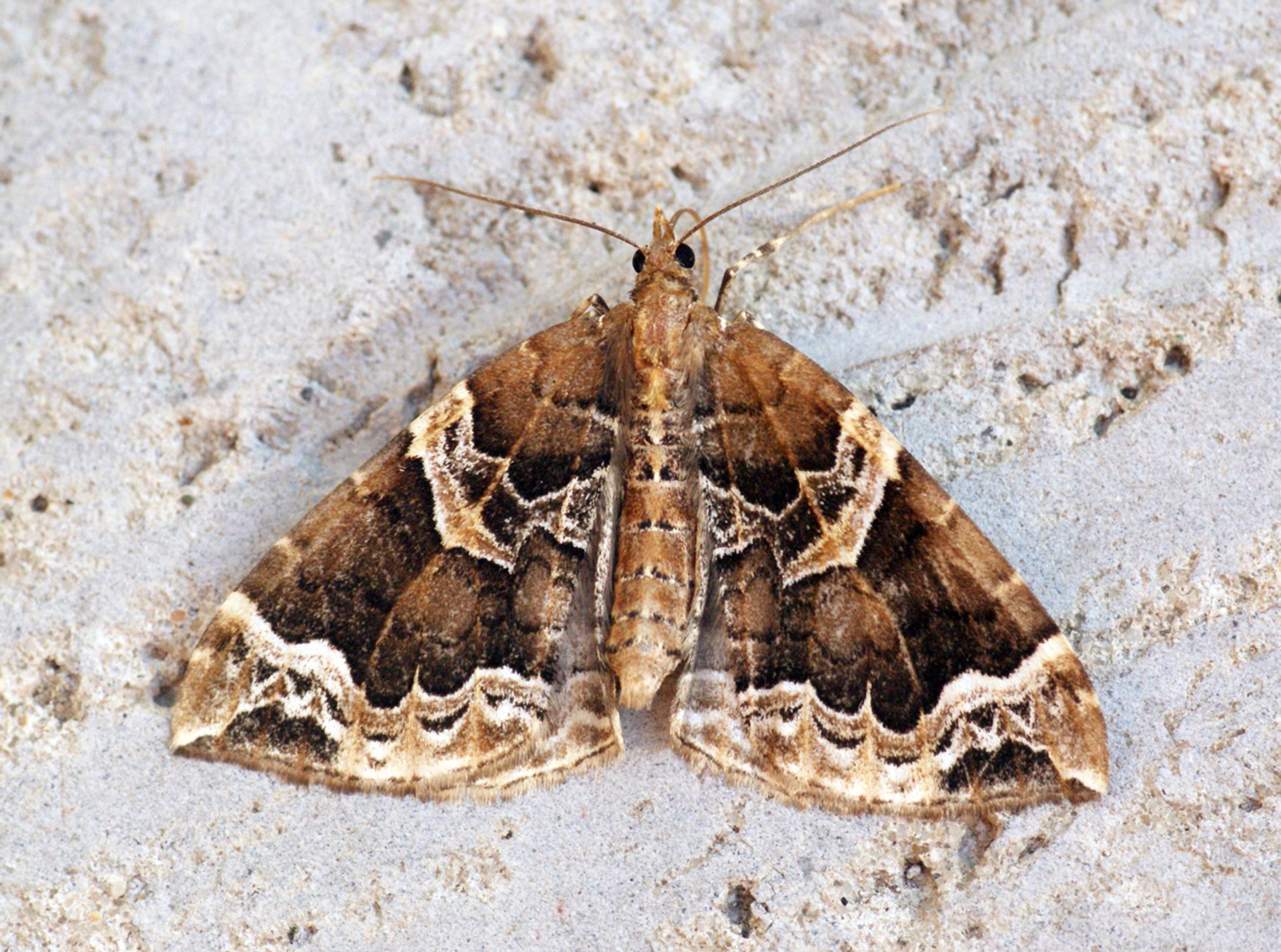
Eulithis prunata, known as the Phoenix, is a medium-sized geometrid with a wingspan of 28–37 mm. The is characterized by distinctive forewing patterning featuring a dark brown ground color with grey-white or brown-white cross bands and a prominent crescent-shaped spot below the apex. are active primarily in July and August. The larvae are specialized feeders on Ribes species, including currants and gooseberries.
Pronunciation
How to pronounce Eulithis prunata: //juˈlɪθɪs pruˈneɪtə//
These audio files are automatically generated. While they are not always 100% accurate, they are a good starting point.
Identification
Distinguished from similar Eulithis by the combination of: strongly point-shaped bulge in the midfield of the forewing; prominent dark crescent-shaped spot below the apex; and black arrow stains on the white wavy line contrasted with white. The three bright wavy lines on grey hindwings also aid identification. The deeply-lobed chocolate-brown cross band outlined in white is a key feature.
Images
Appearance
Medium-sized with wingspan of 28–37 mm (typically 30–35 mm). Forewings dark brown with grey-white or brown-white cross bands bordering a strongly bulging midfield. white wavy line bears several black arrow-shaped markings contrasted with white. Large dark crescent-shaped spot located below apex. Hindwings grey with three bright wavy lines visible.
Habitat
Fen ; gardens and cultivated areas where larval plants (Ribes ) occur. Specimens have been collected from fen woodland in Oxfordshire, UK.
Distribution
. Widely distributed across northern Europe and Scandinavia; common across most of southern Britain. Scattered records from Eastern Europe, across Russia to Mongolia, China and Japan. Occasional accidental importation to Canada and the United States. E. p. leucoptera occurs in Kamchatka, Amur region, Sakhalin, Korea, and Japan; E. p. teberdensis in Caucasus, Georgia, and Armenia.
Seasonality
on wing primarily July and August. First instar larvae hatch following April after embryonic ; larvae feed through spring and pupate around June.
Diet
Larvae feed on leaves of currant and gooseberry bushes ( Ribes), including Alpine Currant (Ribes alpinum), Blackcurrant (Ribes nigrum), Redcurrant (Ribes rubrum), Gooseberry (Ribes uva-crispa), and Golden Currant (Ribes aureum). Ornamental Ribes may also serve as .
Host Associations
- Ribes nigrum - larval food plantblackcurrant
- Ribes rubrum - larval food plantredcurrant
- Ribes uva-crispa - larval food plantgooseberry
- Ribes alpinum - larval food plantAlpine Currant
- Ribes aureum - larval food plantGolden Currant
Life Cycle
laid on bark of food plant; embryonic development is delayed (embryonic ) through winter. First instar larvae hatch the following April. Larvae feed on leaves, then pupate around June in a web spun between leaves. emerge July–August.
Behavior
come to light. are laid on bark rather than leaves. Larvae pupate within a web spun between leaves of the plant.
Human Relevance
Larvae may be considered minor pests in gardens and cultivated areas where currants and gooseberries are grown. The has been subject to sequencing research (263.1 Mb genome, 16,023 protein-coding genes annotated).
Similar Taxa
- Other Eulithis speciesSimilar wing patterns and size; distinguished by specific forewing markings including the point-shaped bulge in midfield and the crescent-shaped spot below apex
More Details
Genome sequencing
The of Eulithis prunata has been sequenced and assembled into 30 chromosomal pseudomolecules including the Z . The assembly spans 263.1 megabases with 16,023 protein-coding genes annotated.
Subspecies
Three recognized: E. p. prunata (Europe), E. p. leucoptera (East Asia: Kamchatka, Amur, Sakhalin, Korea, Japan), and E. p. teberdensis (Caucasus region: Georgia, Armenia).