
Prorella leucata
(Hulst, 1896)
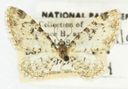
Prorella leucata is a small in the Geometridae, first described in 1896. It occurs across western and northern North America, from British Columbia to California and east to Maine. fly during summer months. The is one of several in the Prorella, which are generally small, drab-colored geometrid moths.
Pronunciation
How to pronounce Prorella leucata: /proʊˈrɛlə luːˈkɑːtə/
These audio files are automatically generated. While they are not always 100% accurate, they are a good starting point.
Identification
Distinguished from other Prorella by geographic range and period, though specific diagnostic characters are not well documented. The small size (20 mm wingspan) and summer flight period (June–September) may aid identification within its range.
Images
Habitat
Specific preferences are not documented. Occurs in diverse regions including coastal California, montane Colorado, and northern Maine, suggesting broad ecological .
Distribution
North America: California, Colorado, Maine, Montana, Oregon, Utah, and British Columbia. Records span Pacific coastal, Rocky Mountain, and northeastern regions.
Seasonality
active from June to September.
Similar Taxa
- Other Prorella speciesSame ; require careful examination of genitalia or other subtle characters for definitive separation
More Details
Nomenclatural history
Originally described as Tephroclystis leucata by George Duryea Hulst in 1896, later transferred to Prorella.